After the RTX 5090, Shortages Hit the Intel Arc B580: Why Workstation GPUs Are Draining BMG-G21 Silicon
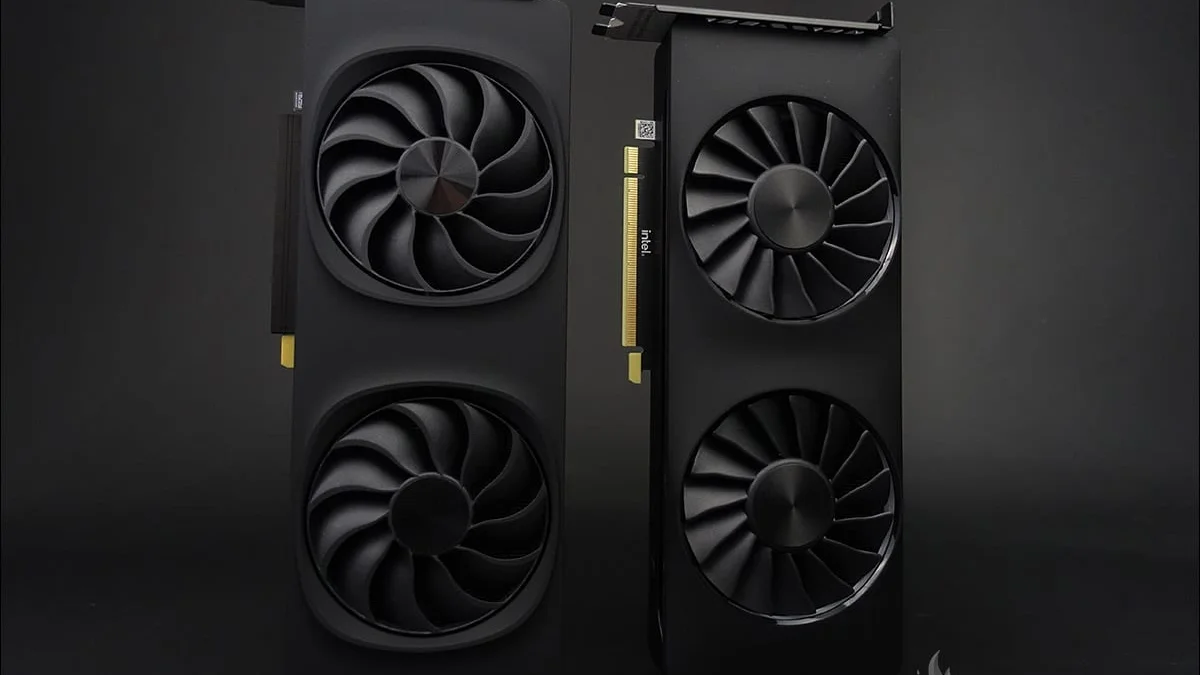
While flagship graphics cards are already buckling under severe memory supply bottlenecks and Nvidia GPU factory prices are surging in November 2026, the shockwave is now hitting the budget PC gaming segment. According to hardware insider @Haze2K1, shipments of the Intel Arc B580 could face tighter supply allocations as Intel prioritizes its higher-margin workstation graphics lineup. For budget builders relying on the card's generous 12GB of GDDR6 VRAM to survive the current hardware inflation, a supply squeeze comes at the worst possible time.
One BMG-G21 Die Shared Between Gamers and Workstation Pros
The root of the bottleneck lies directly beneath the heatsink, down to the 5nm silicon fabricated at TSMC. Intel's BMG-G21 die (built on the Xe2 Battlemage architecture) does not exclusively power the consumer Intel Arc B580 and its trimmed-down sibling, the Arc B570. Intel utilizes the exact same silicon to manufacture its workstation and local AI inference accelerators: the Intel Arc Pro B50 (16GB) and the Intel Arc Pro B60 (24GB, with dual-GPU variants scaling up to 48GB).
Unlike the higher-end Intel Arc Pro B70 32GB and Arc Pro B65 workstation cards that rely on the larger BMG-G31 processor (a die that never launched as a consumer gaming GPU), the Arc Pro B60 draws directly from the same pool of full 20 Xe2-core, 192-bit memory bus BMG-G21 chips as the Arc B580. Because enterprise and workstation buyers pay a substantial premium compared to a sub-$300 gaming card, shifting BMG-G21 wafer allocations toward the Arc Pro series is an obvious way for Intel to maximize profit per die.
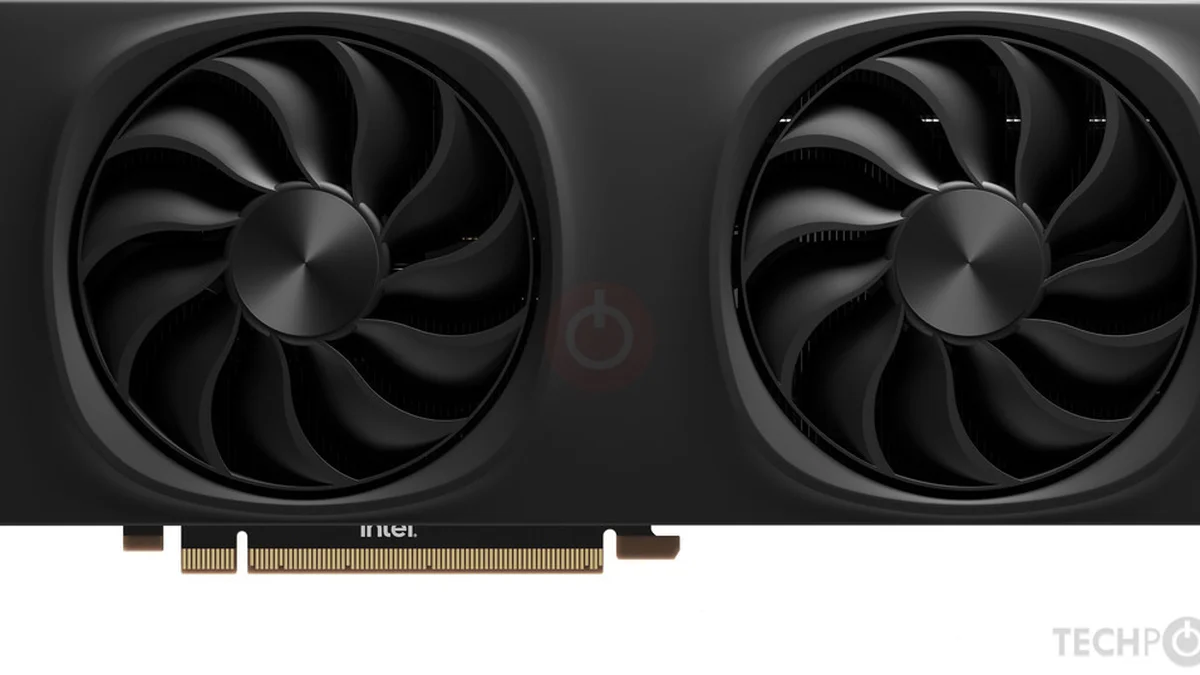
Intel Arc B580 (12GB GDDR6)
- BMG-G21 GPU (20 Xe2-cores)
- 12GB GDDR6 (192-bit, 456 GB/s)
- 190W TBP
Official End-of-Life Status or Quiet Supply Throttling for Board Partners?
Does this mean the Intel Arc B580 is about to vanish from retail shelves entirely in November 2026? While @Haze2K1 floated the possibility of an early End of Life (EOL) transition to free up capacity for Arc Pro models, standard semiconductor logistics suggest a more nuanced reality. Formal EOL designations require official Product Change Notifications (PCNs) sent to board partners and retail channels months in advance, and no such discontinuation notice has been issued.
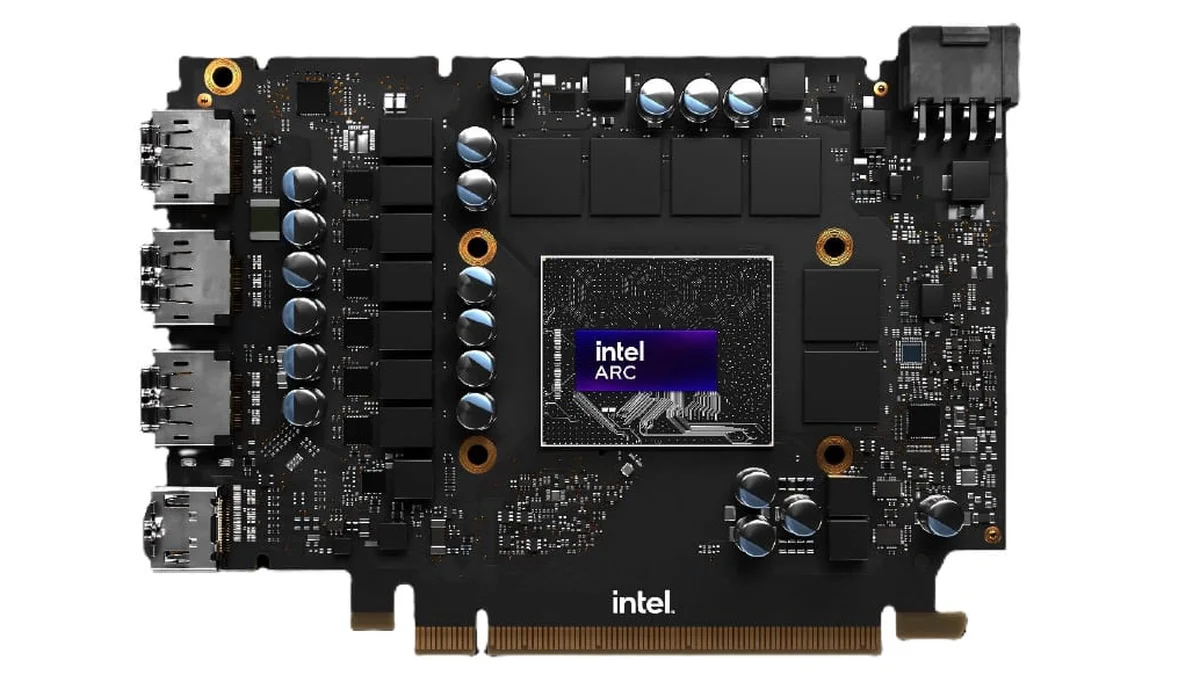
However, quietly reducing BMG-G21 chip shipments to add-in-board (AIB) partners such as ASRock, Sparkle, Acer, and Gunnir is entirely plausible. Chip binning does offer a partial buffer: while the Arc B580 requires a fully enabled BMG-G21 die with all 20 Xe2-cores intact, the workstation Arc Pro B50 only uses 16 Xe2-cores and a narrower 128-bit bus. Intel can therefore route partially defective dies to the B50 or B570, yet every pristine BMG-G21 chip allocated to the 24GB Arc Pro B60 directly removes a potential Arc B580 from the gaming channel.
Why Losing the Most Stable 12GB Budget GPU Hurts PC Builders
Any contraction in Arc B580 volume hits mainstream gamers right where it hurts. As detailed on the official Intel Arc B580 specifications page, the card delivers 456 GB/s of memory bandwidth thanks to its 19 Gbps GDDR6 modules. Over the past quarter, the B580 has consistently recorded the lowest percentage price increases across the entire GPU market, hovering around $269 to $289 even as competing 8GB and 12GB cards surged well past their launch MSRPs.
Making matters tighter for gamers, the combination of 12GB of VRAM and dedicated XMX AI engines has turned the Arc B580 into a favorite among budget homelab builders running local large language models (LLMs), adding extra demand pressure on remaining retail stock.
Check Availability for Intel Arc B580 12GB on Amazon→
My Take on the Spec Sheet
Looking strictly at frames per dollar in late 2026, watching the Intel Arc B580 face supply throttling is genuinely frustrating. With 12GB of GDDR6 sitting on a proper 192-bit bus pushing 456 GB/s of bandwidth, this card sidesteps the memory buffer bottlenecks that wreck 1% low frametimes as soon as you dial up high-resolution textures at 1440p or 1080p Ultra in modern engines. While rival chipmakers kept starving budget gamers with cramped 8GB buffers on 128-bit buses, the BMG-G21 silicon finally gave mainstream PC builders breathing room under $300.
Redirecting wafer volume toward the 24GB Arc Pro B60 makes total sense on a corporate balance sheet, but starving the consumer channel risks undermining the hard-earned goodwill Intel built with its matured Xe2 drivers. We have not yet put the Intel Arc B580 through our own thermal, acoustic, and frametime test bench in the lab: if Intel or board partners like ASRock and Sparkle would like to send a review unit our way to benchmark against this autumn's heavy DirectX 12 releases, our test rig is ready. Until then, if you spot an Arc B580 near its normal retail price for an upcoming build, do not wait around for stock to dry up.

PC hardware enthusiast and competitive gamer, Arthur 'Heimdall' splits his time between France and the UK working in enterprise B2B software solutions. A business school graduate passionate about component benchmarking, he has been building, modding, and tuning PCs since childhood, optimizing every thermal degree and millisecond of display latency. An avid gamer across Assassin's Creed and sandbox titles, he forged his alliance with Grimtag and Chaya during late-night World of Warcraft raids before joining Pro-Gamer.