65 Art Producers, 11 Years Mapping Leonida, and the Weapon Wheel Dilemma: Inside GTA 6 and Red Dead Redemption 2
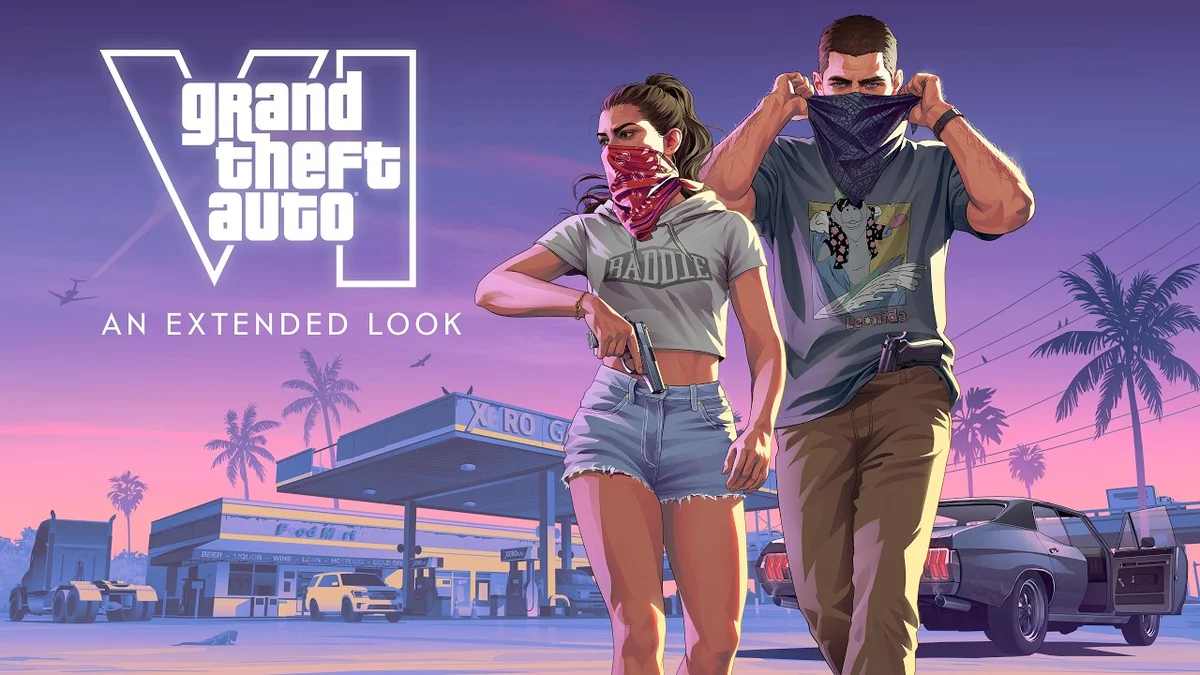
With the global launch of Grand Theft Auto VI locked in for November 19, 2026, the notoriously secretive walls of Rockstar Games are beginning to part. Alongside his landmark deep-dive published in Bloomberg, journalist Jason Schreier shared a collection of additional reporting notes and behind-the-scenes anecdotes that did not make the final cut of his original feature. Gathered directly from conversations with top creative leads at the studio, these revelations highlight the deep design tug-of-war between Red Dead Redemption 2 and GTA VI while exposing the staggering scale of modern triple-A production.
The Weapon Wheel Dilemma: How Red Dead Redemption 2 Nearly Upended GTA 6’s UI
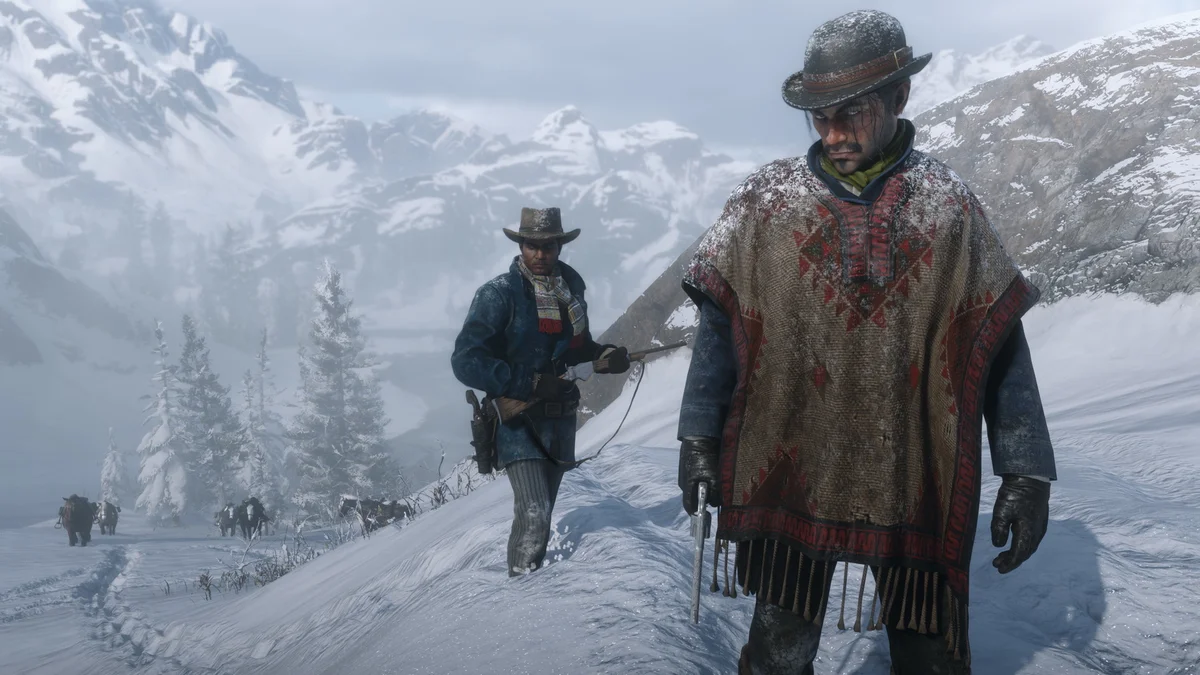
One of the most revealing stories centers on the franchise’s most recognizable interface element: the classic Weapon Wheel. Speaking with Jason Schreier, Rockstar Games development head Rob Nelson explained that the team wanted Grand Theft Auto VI to embrace a far more grounded, realistic approach to weapon handling directly inspired by Red Dead Redemption 2. Rather than pulling an infinite military arsenal out of thin air, protagonists Lucia and Jason are restricted to a believable physical loadout, storing heavier firearms away from their immediate person much like Arthur Morgan’s saddlebag mechanics.
However, enforcing realistic weapon limits created an unexpected user interface crisis. Designers worried that keeping the traditional circular weapon wheel while restricting the player’s active slots would leave large portions of the wheel visibly empty, constantly reminding players of the guns they were not allowed to carry. As a result, UI teams spent months,and by some accounts years,experimenting with completely different interface paradigms, testing horizontal trays, directional webs, and contextual menus to replace the wheel entirely. After exhausting countless prototypes, Rockstar ultimately came full circle, scrapping the experimental layouts and returning to a refined version of the classic weapon wheel.
From 6 to 65 Art Producers: A Project So Massive No Single Lead Knows Every Detail
To grasp how dramatically production demands have multiplied between 2013 and 2026, one internal metric stands out above the rest. During the making of Grand Theft Auto V, Rockstar’s art production division,the specialized team responsible for coordinating asset pipelines, scheduling environmental builds, and tracking visual milestones across studios,consisted of just 5 or 6 people. For Grand Theft Auto VI, that exact same art production department ballooned to 65 full-time staff.
That tenfold expansion has fundamentally altered how even the studio’s longest-serving veterans experience their own game. Longtime Rockstar North art lead Aaron Garbut summed up the sheer scale of the project in a striking admission to Jason Schreier: “There is no one person at the studio that has this whole thing in their head.” Even at the highest levels of leadership, the state of Leonida has grown so dense with bespoke animations, interiors, and reactive world systems that no single director knows every detail packed into the final build.
11 Years Mapping Leonida and the “Too Many Cooks” Era Between 2019 and 2022
That unprecedented density is the result of more than a decade of continuous environmental craftsmanship. Because world block-outs and map layout are always the first disciplines to spin up on a new Rockstar project, several environment artists have been working on Grand Theft Auto VI since 2015,marking 11 straight years on the project. Locked into building the streets of Vice City and the surrounding wetlands of Leonida,a setting whose roots you can explore in our complete guide to the Grand Theft Auto timeline and its three canon universes,some of those artists bypassed the development of Red Dead Redemption 2 entirely.
Yet those eleven years were far from smooth sailing. Between 2019 and 2022, following the departure of co-founder and longtime creative architect Dan Houser, overarching direction on GTA VI was split among three veteran development leads: Rob Nelson, Aaron Garbut, and Phil Hooker. Internally, this transitional era suffered from what several developers described as a “too many cooks in the kitchen” dynamic. Conflicting instincts over how closely the game should mirror the deliberate realism of Red Dead Redemption 2 versus the faster arcade pacing of classic GTA created bottlenecks and indecision, prompting a handful of frustrated designers to leave the company before leadership unified the vision.
Even amid those growing pains, Rockstar preserved the bottom-up autonomy that fuels its signature world-building. Addressing the famous hyper-specific details in Red Dead Redemption 2,such as horses’ anatomy dynamically reacting to freezing weather,Jason Schreier noted that these features are rarely top-down mandates from executives. Instead, they happen organically because individual programmers or animators are given the time, tools, and creative freedom to build quirky, immersive touches simply because they think they are cool ideas,a tradition that continues in GTA VI with systems like dynamic character perspiration under the humid Leonida sun.
From Pitching Daft Punk to Signing Justice: The French Touch Heartbeat of Vice City

That same obsession with bespoke artistry extends directly into the game’s sonic identity. Following the reveal of the spectacular GTA 6 launch trailer, the unmistakable DNA of French electronic music has emerged as a cornerstone of the November 19, 2026 release. While acclaimed French duo Justice (Gaspard Augé and Xavier de Rosnay) composed a major portion of the game’s original score,headlined by the standout track “Flower In A Hurricane” featuring Tame Impala, SZA, and King Gizzard & The Lizard Wizard,another French Touch legend has left his mark on Grand Theft Auto VI: The Album.
In one of his highest-profile studio credits since Daft Punk disbanded in 2021, Guy-Manuel de Homem-Christo produced the lead single “RHYNO” performed by Travis Scott for the official companion album alongside fellow electronic pioneer Étienne de Crécy. According to music industry insiders, Rockstar Games had even initially pitched Daft Punk on scoring GTA VI as a dream comeback project before ultimately handing the primary electronic score duties to Justice while still securing Guy-Manuel de Homem-Christo’s unmistakable production touch on the soundtrack.
My Take: Can Handcrafted Artistry Survive the Industrial Scale of Leonida?
As someone who obsesses over art direction, UI ergonomics, and sound design, I find Jason Schreier’s unpublished notes far more revealing than any corporate earnings call. Hearing that an art production team grew from 6 people to 65,and reading Aaron Garbut’s candid admission that not a single person at Rockstar Games holds the entire game in their head,could easily sound like a warning sign of bloated, assembly-line development. Yet what stands out to me in these stories is how fiercely the studio protects its human impulses inside that giant machine.
Knowing that UI designers spent nearly two years debating how an inventory wheel makes a player feel, or that an individual coder still has the breathing room to slip a playful environmental reaction into the engine without a boardroom mandate, tells me the creative spark is very much alive. Pair that bottom-up craftsmanship with the blistering analog synths of Justice and the rare studio return of Guy-Manuel de Homem-Christo, and it becomes clear why eleven years of sculpting Leonida was not just a matter of scale, but a refusal to compromise on texture.

Based on the outskirts of New York City, Chaya 'Chayane' spent five years studying software engineering in Montreal before returning to her home state. A Full-Stack developer and Deep Learning AI architecture researcher, she explores neural networks and algorithmic optimization while engineering data pipelines for Retrocharting and Gamescharting alongside Grimtag. A gamer for over 20 years and an avid collector of Nintendo history and The Legend of Zelda, she explored World of Warcraft's Azeroth before bringing her deep technical background to video game analysis.