PS6 vs. Xbox Helix: Taped Out Chips Reveal a 40% Raw Power Lead for Microsoft
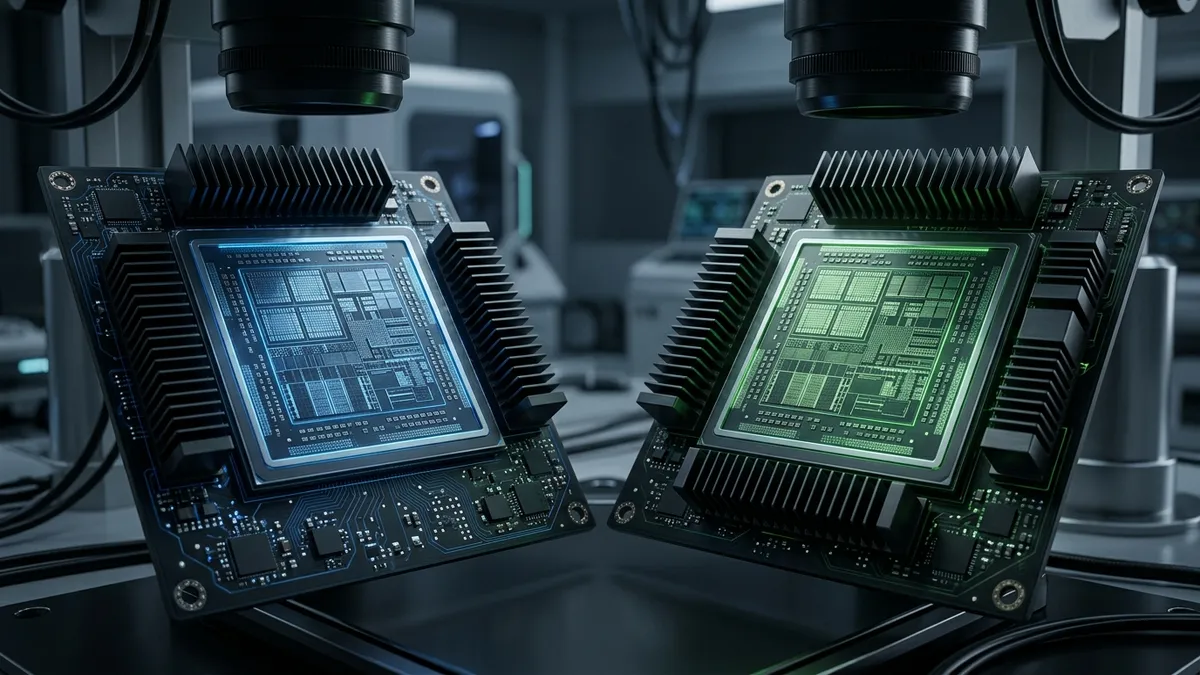
The tenth console generation has reached an irreversible manufacturing milestone. Custom silicon processors engineered by AMD for Sony's upcoming PlayStation 6 and Microsoft's next-generation Xbox, codenamed Project Helix, have officially achieved tape-out status.
The physical blueprints for both system-on-chips are locked in. They have been dispatched to TSMC foundries to begin pilot wafer production.
Alongside this manufacturing leap, initial compute targets leaked by well-known hardware insider Kepler_L2 across community channels have sent shockwaves through the industry.
According to the leak, Sony's PS6 targets roughly 40 TFLOPS of raw compute, while Microsoft's Project Helix surges to 56 TFLOPS. That represents a staggering 40% raw compute lead in favor of Redmond.
TSMC Tape-Out Complete: Next-Gen Silicon Enters Pilot Production
In semiconductor fabrication, tape-out marks the end of design simulations and the beginning of physical silicon production.
Historically, the window between initial tape-out and store shelves spans roughly 18 to 24 months. Both platform holders are lining up for a synchronized launch target around 2027 or 2028.
Both machines rely once again on custom AMD APUs combining next-gen Zen 6 CPU cores alongside the next-gen AMD RDNA 5 architecture and its neural rendering capabilities (UDNA).
Manufacturing will take place on TSMC's cutting-edge 3nm process nodes. However, while Sony appears focused on thermal balance and price control, Microsoft has opted for aggressive silicon scaling.
40 vs. 56 TFLOPS: Microsoft Chases the Raw Compute Crown
To put these numbers into context, the base PS5 outputs 10.3 TFLOPS, the Xbox Series X delivers 12.15 TFLOPS, and the PS5 Pro reaches roughly 16.7 TFLOPS.
Targeting 40 TFLOPS on the PS6 represents a massive 140% generational increase over the PS5 Pro. Pushing Project Helix to 56 TFLOPS places Microsoft in an entirely different compute tier.
Microsoft clearly aims to repeat the technical showcase achieved with the Xbox One X over the PS4 Pro back in 2017.
The engineering goal is straightforward: deliver native 4K at 120 frames per second with full path tracing without leaning heavily on aggressive upscaling. For partner studios and competitive titles, that compute headroom unlocks substantial fidelity gains.
Project Helix Keeps Physical Media in the Fight
Another major takeaway from the hardware leak concerns physical disc support.
Despite industry pressure toward an all-digital landscape, Project Helix will reportedly retain physical disc drive support, either built-in or offered via an official detachable drive accessory.
This pragmatic move directly addresses pushback from physical collectors and enthusiasts who prioritize software ownership.
Amid growing anxiety surrounding digital licensing and game preservation, preserving optical media keeps Microsoft connected to traditional console purists.
My Take: The Teraflops Trap and the $1,000 Console Dilemma
On paper, flaunting 56 TFLOPS on a retail box is every hardware enthusiast's dream. In the harsh economic reality of 2026, semiconductor wafer prices quickly temper that excitement.
Fabricating a 56 TFLOPS APU die on TSMC's premium 3nm process node represents an extraordinary manufacturing cost.
Following the sticker shock of the $700 PS5 Pro, a 56 TFLOPS machine cannot realistically reach consumers under the $800 to $1,000 mark unless Microsoft commits to heavy hardware subsidies.
With Microsoft's current focus on ecosystem margins and Game Pass profitability, absorbing massive per-unit hardware losses is far from guaranteed. The real next-gen battle won't just be decided by teraflops on a spec sheet, but by whether everyday gamers can actually afford a living room console.

SEO consultant for over 20 years and digital entrepreneur, Charles 'Grimtag' Ronchain is the founder of Pro-Gamer.gg, Retrocharting.com, and Gamescharting.com. A competitive gamer, streamer, and retro game collector, he has worked in the video game industry for over 15 years, notably as a consultant for leading price comparison platforms. Passionate about real-time performance data and gaming technology, he analyzes competitive esports, gaming hardware benchmarks, and creator workflows on Pro-Gamer.gg with an authentic player perspective.