Intel Raptor Lake Next: 4 New LGA 1700 CPUs Up to 20 Cores Spotted in Shipping Logs to Keep DDR4 Builds Alive
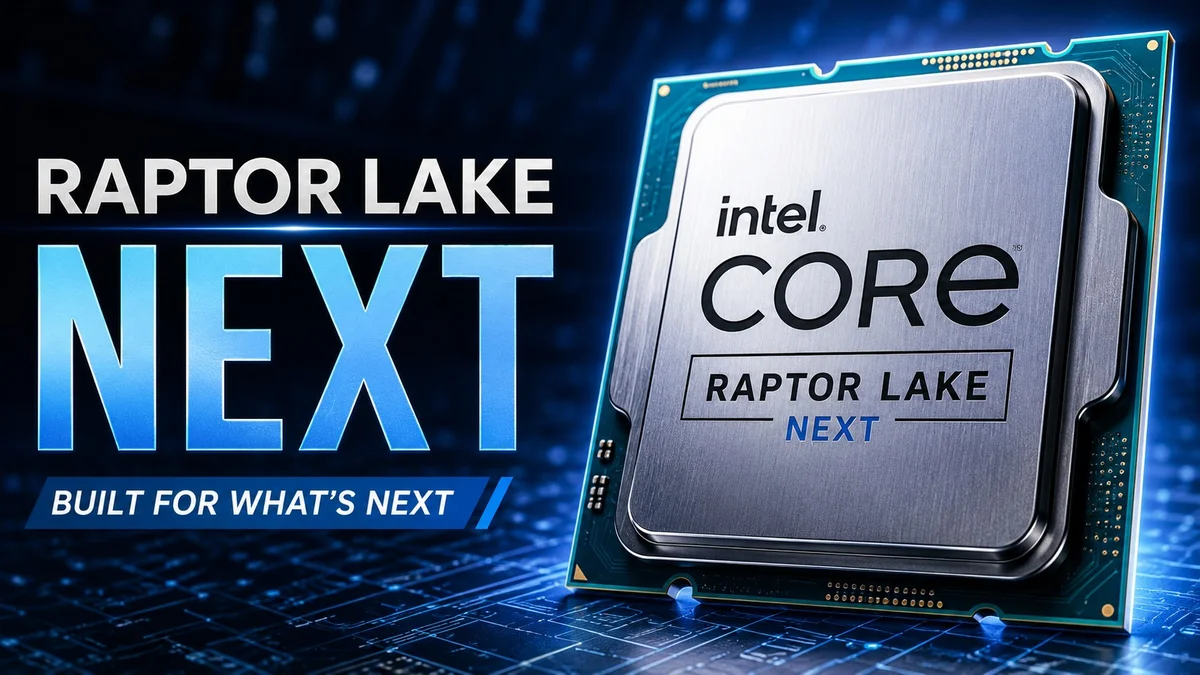
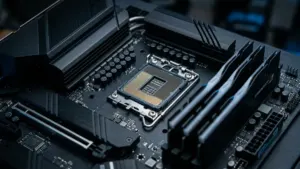
Intel's longest-serving modern desktop platform refuses to step into retirement. Just days after Gigabyte confirmed BIOS support for Raptor Lake Next across its LGA 1700 motherboards, tangible hardware evidence of this upcoming processor refresh has surfaced in international supply chain records.
Four unreleased Intel "Raptor Lake Next" desktop processor SKUs (a new Re-Refresh lineup slated for an early 2027 release window) have been logged in NBD (Next Business Day) customs and shipping manifests. Shipped out of Intel's assembly and test facilities in Vietnam under the 64BIT MPU FCLGA classification, the manifest entries reveal exact L3 cache capacities, base clock frequencies, and internal part numbers.
Four SKUs Spanning 12 to 20 Cores in NBD Customs Manifests
The shipping records detail four distinct desktop processors built around familiar 12-core, 16-core, and 20-core hybrid layouts combining Performance cores (P-Cores) and Efficient cores (E-Cores):
- Part Number
99DLMV(MPU Code8071504821028): positioned as the direct unlocked successor to the Core i5-14600K at a 125 W TDP, this chip features 16 cores (8 P-Cores + 8 E-Cores), a 3.5 GHz base clock, and 30 MB of L3 cache. - Part Number
99DLMT(MPU Code8071504820824): designed to succeed the non-K Core i7-14700 in the power-efficient 65 W TDP bracket, this processor packs 20 cores (8 P-Cores + 12 E-Cores), a 2.1 GHz base frequency, and 33 MB of L3 cache. - Part Numbers
99DLMW(8071504821132) and99DLMX(8071504821133): both mainstream 65 W TDP chips share a 12-core configuration (8 P-Cores + 4 E-Cores) running at a 2.6 GHz base clock with 24 MB of L3 cache. Having two consecutive part numbers typically separates the standard model with integrated graphics (iGPU) from the iGPU-less "F" variant.
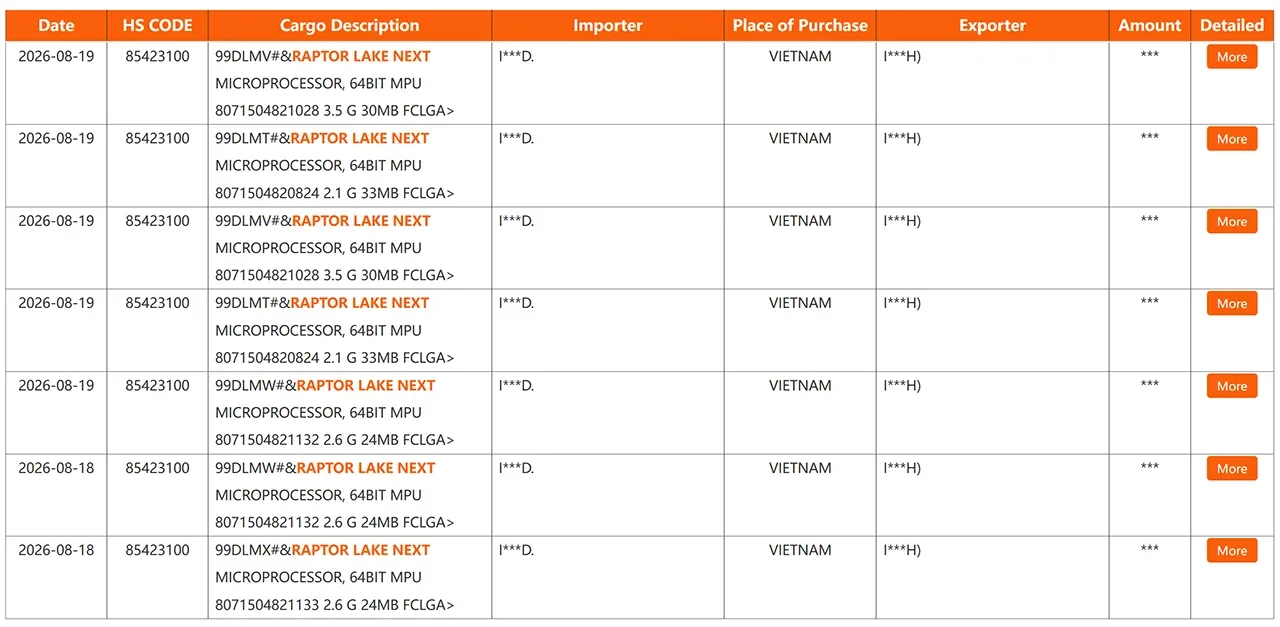
| NBD Part Number | MPU Code | Expected Core Layout | Base Clock | L3 Cache | Nominal TDP |
|---|---|---|---|---|---|
| 99DLMV | 8071504821028 | 16 Cores (8P + 8E) | 3.5 GHz | 30 MB | 125 W |
| 99DLMT | 8071504820824 | 20 Cores (8P + 12E) | 2.1 GHz | 33 MB | 65 W |
| 99DLMW | 8071504821132 | 12 Cores (8P + 4E) | 2.6 GHz | 24 MB | 65 W |
| 99DLMX | 8071504821133 | 12 Cores (8P + 4E) | 2.6 GHz | 24 MB | 65 W |
Check Availability for Intel LGA 1700 Processors on Amazon→
Why DDR4 Support Remains a Major Selling Point Amid Soaring DDR5 Prices
Why is Intel preparing another wave of processors for a socket that debuted in late 2021 with Alder Lake, even as LGA 1851 (Core Ultra 200S Arrow Lake) sits on shelves and LGA 1954 (Nova Lake) approaches? The strategic hook comes down to memory flexibility: DDR4.
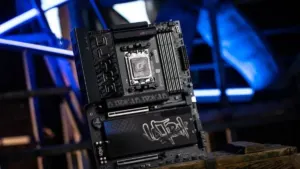
Unlike newer platforms from both Intel and AMD that strictly require DDR5 modules, the integrated memory controller inside LGA 1700 silicon natively supports both DDR4 and DDR5. With DDR5 retail pricing surging as memory manufacturers shift wafer capacity toward high-margin HBM stacks for AI data centers, Raptor Lake Next gives PC builders on Intel 600-series and 700-series motherboards (B660, Z690, B760, and Z790) a drop-in CPU upgrade path without paying the DDR5 tax.
My Lab Bench
Looking at these customs manifests from my test bench perspective, keeping LGA 1700 alive into 2027 is a smart lifeline for budget-conscious PC gamers. Right now, building a brand-new rig from scratch means absorbing inflated DDR5 memory prices driven by AI server demand. Being able to drop a 16-core or 20-core processor with up to 33 MB of L3 cache straight into an existing B660 or Z790 board while reusing a fast 32 GB DDR4 kit is a practical way to stretch 1440p gaming performance without replacing half your system.
That said, I am keeping a close watch on thermals and pricing. The aging Intel 7 process node was already pushed near its voltage and power limits with the 14th Gen lineup. If these Raptor Lake Next chips deliver cleaner silicon binning, refined factory voltage curves, and sensible pricing, they will make great drop-in upgrades; if they merely tack on 100 MHz of boost clock at the cost of extra heat, discounted 13th and 14th Gen chips will remain the smarter buy.

PC hardware enthusiast and competitive gamer, Arthur 'Heimdall' splits his time between France and the UK working in enterprise B2B software solutions. A business school graduate passionate about component benchmarking, he has been building, modding, and tuning PCs since childhood, optimizing every thermal degree and millisecond of display latency. An avid gamer across Assassin's Creed and sandbox titles, he forged his alliance with Grimtag and Chaya during late-night World of Warcraft raids before joining Pro-Gamer.