Bose Acquires Skullcandy to Pair Its Acoustic Engineering With Crusher Haptic Gaming Headsets
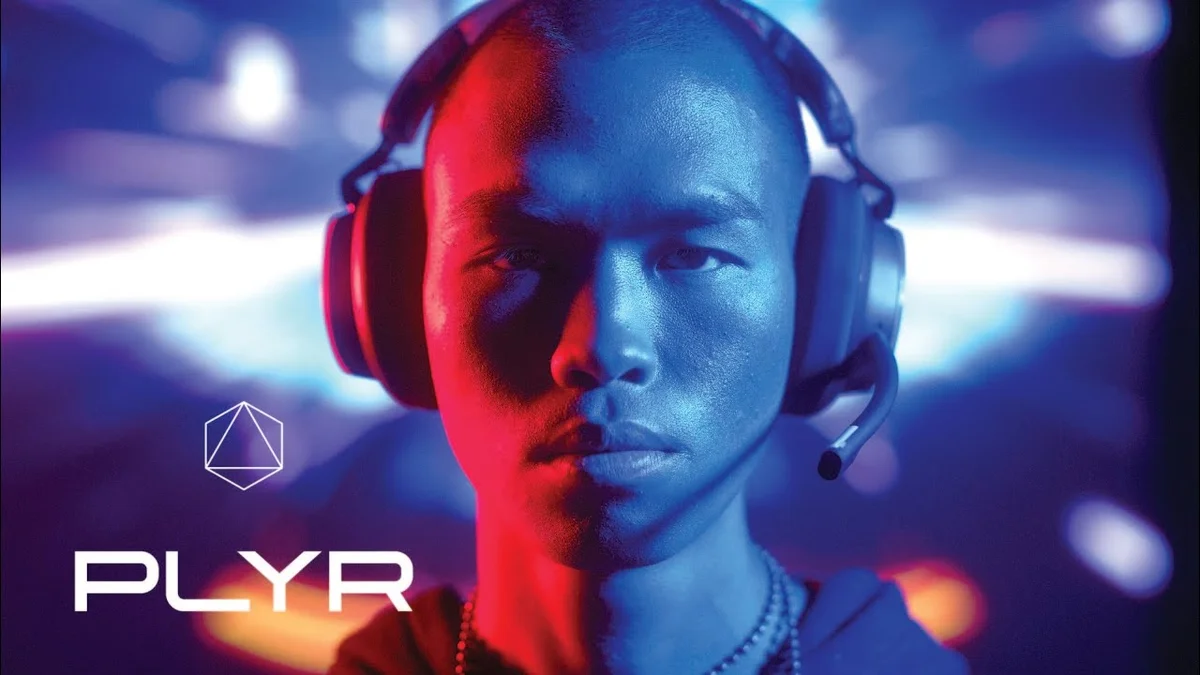
Bose Corporation has officially announced the acquisition of Skullcandy from a fund managed by Connecticut-based private investment firm Mill Road Capital Management LLC. While the financial terms of the private transaction remain confidential, the deal immediately reshapes the consumer audio landscape and opens up major technical possibilities for the Skullcandy Gaming division and its haptic bass headsets across PC, PS5, Xbox Series X|S, and Switch.
An Acquisition Built on the “Sound by Bose” Partnership
Rather than a sudden pivot, the buyout caps off a multi-year technology partnership between Bose’s acoustic engineers in Framingham, Massachusetts, and Skullcandy’s product teams in Park City, Utah. That collaboration had already brought “Sound by Bose” acoustic tuning to select Skullcandy earbuds and headphones, proving that Bose’s research capabilities could pair naturally with Skullcandy’s bold Industrial design and accessible pricing.
Under the agreement,for which Jones Day served as Bose’s legal counsel,Skullcandy will remain headquartered in Park City, Utah, where the company was founded on a chairlift more than 20 years ago. It will continue to operate as a standalone brand inside Bose’s Premium Consumer Audio division.
Lila Snyder, Chief Executive Officer of Bose Corporation, explained that the acquisition allows the privately held company to reach younger audiences in gaming, boardsports, and fitness where Bose has traditionally had a smaller footprint: “For more than 60 years, Bose has been committed to delivering incredible audio experiences however and wherever people choose to listen. As a privately held company, we have the freedom to make bold, long-term investments in opportunities we believe in, and Skullcandy is a great example of that.” Brian Garofalow, Chief Executive Officer of Skullcandy, added that joining Bose gives his teams deeper access to acoustic technology, R&D resources, and global distribution while preserving the brand’s distinct identity.
What Bose Engineering Means for Crusher PLYR 720 and SLYR Gaming Headsets
For players, the most exciting part of the announcement lies in the gaming peripheral aisle. At a time when major hardware makers are streamlining their living-room lineups,such as Sony discontinuing its last dedicated 4K Blu-ray player to leave the PS5 as its sole disc machine,competition in the wireless gaming headset market against Sony InZone, SteelSeries Arctis Nova, Razer BlackShark, and Logitech Astro has never been fiercer.
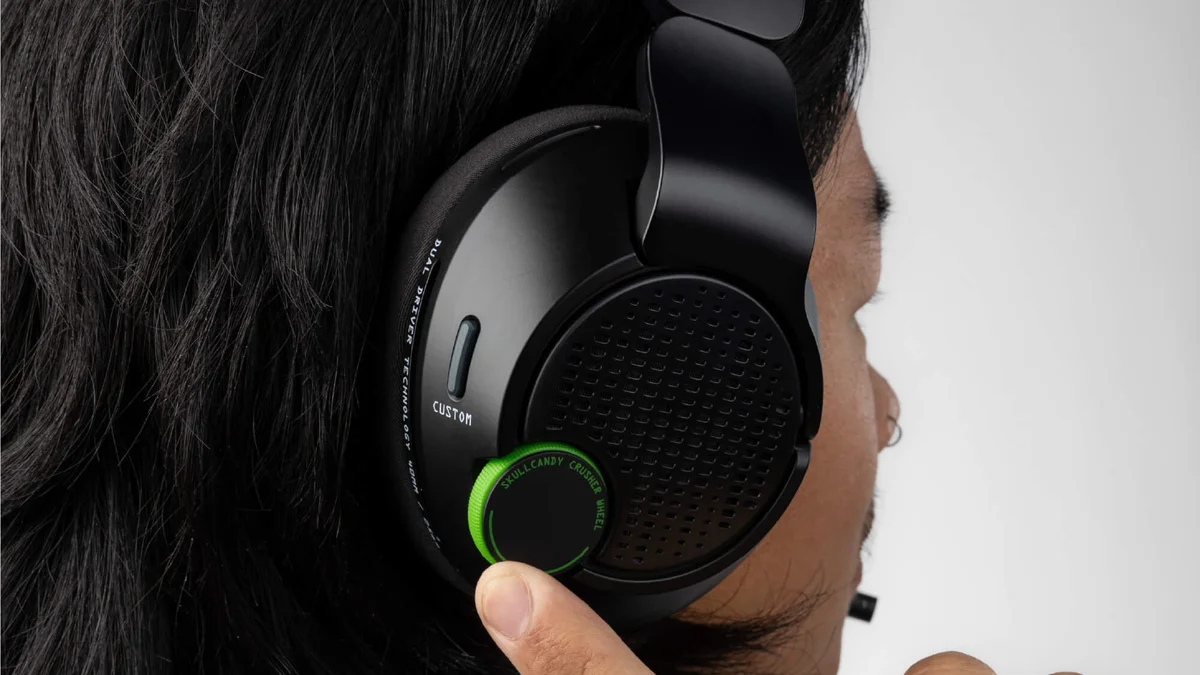
Since reviving its gaming lineup with the SLYR, SLYR Pro, PLYR, and flagship Crusher PLYR 720 ($259.99 MSRP), Skullcandy has carved out a distinct niche. The Crusher PLYR 720 stands out as one of the only wireless gaming headsets on the market to combine an open-back acoustic design with patented Crusher Multi-Sensory Bass haptic drivers. Using a physical thumbwheel on the left earcup, players can dial in real-time low-frequency vibrations for explosions and engine roars alongside 40mm acoustic drivers, THX Spatial Audio, simultaneous 2.4 GHz wireless and Bluetooth 5.3 audio mixing (rated for up to 48 hours of battery life over 2.4 GHz), and a 10-band equalizer inside the Skull-HQ app.
Check Availability Skullcandy Gaming Headsets Availability on Amazon→
Bose previously dipped a toe into desktop gaming back in 2020 with the wired QuietComfort 35 II Gaming Headset before refocusing on its core travel and lifestyle headphones. By acquiring Skullcandy, Bose gains an established multi-platform and Xbox-certified gaming lineup without diluting the executive positioning of its QuietComfort flagship series. Bringing Bose’s industry-leading active noise cancellation (ANC), microphone voice-isolation algorithms, and spatial acoustic calibration to future PLYR and Crusher headsets could eliminate the few remaining weak spots in Skullcandy’s gaming hardware.
My Test Bench
Having tested multiple generations of haptic headsets on my bench, I have always found Skullcandy’s mechanical approach far more convincing than the gimmicky rumble motors bolted onto competing gaming cans. In atmospheric single-player titles or racing sims, the Crusher sensory drivers inside the Crusher PLYR 720 deliver a physical sub-bass punch that standard 40mm or 50mm dynamic drivers simply cannot replicate without distorting the midrange. Where haptic headsets typically need extra refinement is in midrange separation for competitive FPS footsteps and active noise isolation in closed-back designs. If Bose’s acoustic engineers lend their DSP precision and QuietComfort noise cancellation to the next wave of Skullcandy Gaming headsets while keeping that tactile Crusher thumbwheel intact, the $200 to $250 headset bracket is in for a serious shake-up.

PC hardware enthusiast and competitive gamer, Arthur 'Heimdall' splits his time between France and the UK working in enterprise B2B software solutions. A business school graduate passionate about component benchmarking, he has been building, modding, and tuning PCs since childhood, optimizing every thermal degree and millisecond of display latency. An avid gamer across Assassin's Creed and sandbox titles, he forged his alliance with Grimtag and Chaya during late-night World of Warcraft raids before joining Pro-Gamer.