$1,200 to $1,800 by Holiday 2028: Why Component Costs Push Microsoft's Next-Gen Xbox Project Helix Into High-End PC Territory
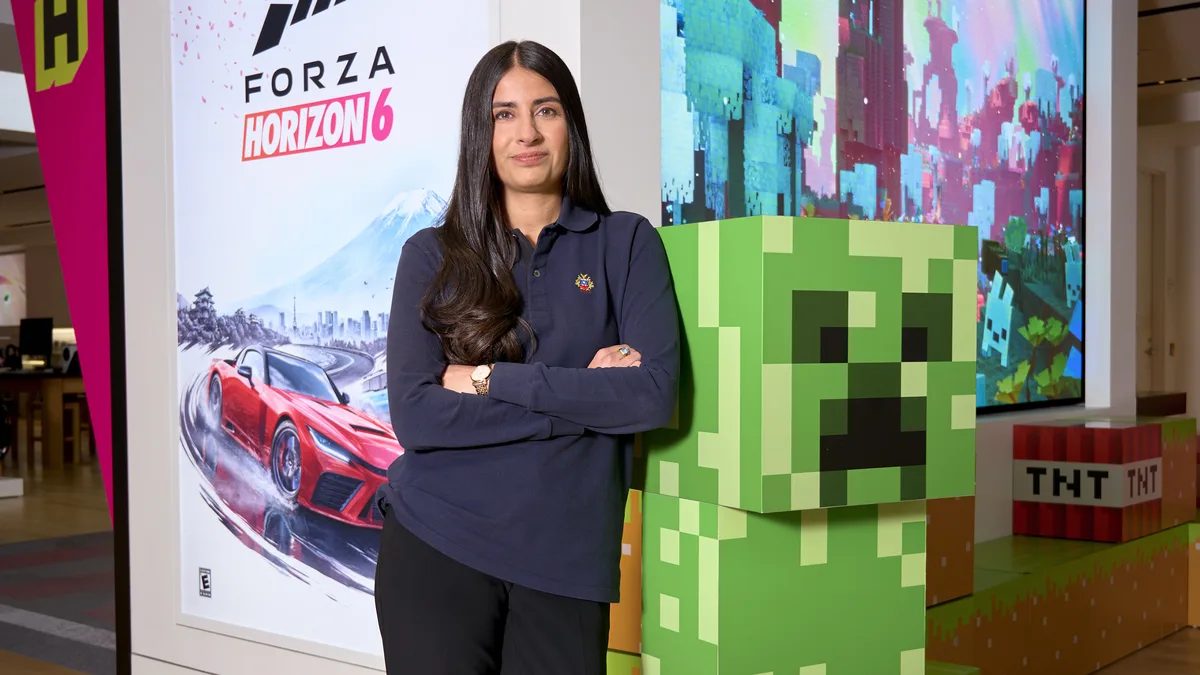
The pricing reality of tenth-generation console hardware is coming into sharp focus in Redmond. According to an investigative profile by tech correspondent Sebastian Herrera in Fortune, internal Microsoft projections estimate that the next-generation Xbox Project Helix home console could cost consumers between $1,200 and $1,800.
That eye-watering range reflects the unsubsidized manufacturing cost unless Microsoft decides to absorb a steep financial loss on each unit sold. Under new Xbox CEO Asha Sharma, the hardware roadmap now targets a two-stage rollout: a dedicated next-generation Xbox handheld by the 2027 holiday season, followed by the flagship Project Helix home console for Holiday 2028.
$1,200 to $1,800: The Brutal Bill for Silicon and Memory
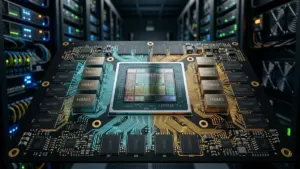
A price tag above $1,200 pushes the traditional living room console straight into pre-built gaming PC territory. As detailed in our earlier hardware breakdown of the 56 TFLOPS and 30GB of GDDR7 memory inside Xbox Helix, Microsoft's ambitious silicon targets are colliding head-on with surging component costs.
AI data center infrastructure continues to consume a massive share of global high-bandwidth memory and NVMe SSD production. That supply squeeze has driven RAM and storage pricing far beyond the historical norms of console manufacturing.
At the same time, Microsoft CEO Satya Nadella tapped Sharma in February to fix the economics of a $21 billion gaming division whose profit margins are under intense scrutiny. Heavily subsidizing hardware at launch in hopes of recouping losses years later through software royalties is no longer a guaranteed strategy inside Redmond.
Hardware supply pressures are already visible on current-gen shelves, where stock shortages have pushed new Xbox Series X units to $799.99 and prompted Microsoft to offer up to $375 in trade-in credit to buy back used consoles from inactive players.
Check Availability Xbox Series X Availability on Amazon→
A Holiday 2027 Handheld and the Internal Clash Over Windows Home
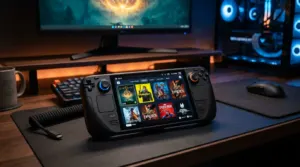
Rather than leaving hardware fans waiting until late 2028, Sharma has been working inside Building 87, Microsoft's secretive hardware lab on the Redmond campus, alongside lead designer Carl Ledbetter. Their immediate priority is a first-party Xbox handheld slated for the 2027 holiday window.
Behind closed doors, that portable device sparked a fierce turf war between Microsoft's Windows division and the Xbox engineering team. Windows leadership pushed for the handheld to run a stripped-down version of Windows Home.
Sharma's team fought back, insisting on building and controlling a dedicated Xbox operating system tailored for maximum gaming performance. Tensions escalated so sharply that a senior Xbox executive threatened to cancel the handheld project outright rather than ship it with the Windows Home build.
"We can't build Helix on our own. The benefit of everybody caring is that you're going to be able to pick out things that people really care about to actually make our product better."
Asha Sharma, Xbox CEO, speaking to Fortune
Xbox ultimately secured primary control over the operating system direction for Project Helix while continuing to collaborate with Windows kernel engineers. Internal engineering deadlines for Project Helix have also been pulled forward by several months, increasing pressure on hardware and platform teams to accelerate development workflows using targeted AI tools.

An A La Carte Xbox Game Pass Overhaul and Deep Restructuring
Alongside the Project Helix hardware family, Microsoft is preparing a major restructuring of Xbox Game Pass. Instead of a rigid all-in-one bundle, the service is moving toward a tiered, a la carte model where subscribers can pick modular add-ons based on how they play.
- Modular Game Pass Add-Ons: Customizable tiers with separate options for console-only game libraries, online multiplayer access, and cloud streaming.
- Two-Phase Hardware Rollout: First-party Xbox handheld targeted for Holiday 2027, followed by the flagship Project Helix home console in Holiday 2028.
- Aggressive Cost Cutting: 1,868 roles already eliminated out of a planned 3,200-person reduction, with additional layoff waves slated for October, November, and January.
- Corporate Rebranding: Dropping the Microsoft Gaming banner in favor of Xbox and switching employee email addresses from microsoft.com to xbox.com.
Those structural shifts have led several current and former employees to speculate that Xbox is being positioned for a potential spinoff or subsidiary structure. Meanwhile, internal studio heads like Clockwork Revolution director Brian Fargo note that teams must now pitch a strict commercial business case rather than relying on open-ended budgets.
My Test Bench: A High-End Gaming PC Disguised as a Living Room Console
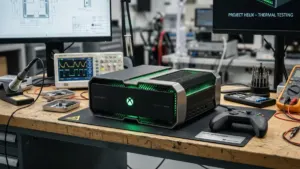
Looking purely at the bill of materials on my test bench, a $1,200 to $1,800 projection makes complete sense. Pairing a 3nm custom AMD APU pushing 56 TFLOPS with 30GB of high-speed GDDR7 memory and PCIe 5.0 NVMe storage during an AI-driven DRAM shortage costs just as much as building an enthusiast SFF gaming rig.
If Microsoft refuses to eat a $400 hardware subsidy per box, buyers will see the true silicon cost on the price tag. However, the biggest engineering victory in this report is on the portable side: blocking a bloated Windows Home build in favor of a lean, custom Xbox OS is the only way a 2027 handheld will deliver clean frametimes and decent battery life at 15W to 25W.

PC hardware enthusiast and competitive gamer, Arthur 'Heimdall' splits his time between France and the UK working in enterprise B2B software solutions. A business school graduate passionate about component benchmarking, he has been building, modding, and tuning PCs since childhood, optimizing every thermal degree and millisecond of display latency. An avid gamer across Assassin's Creed and sandbox titles, he forged his alliance with Grimtag and Chaya during late-night World of Warcraft raids before joining Pro-Gamer.