360p Handheld, 540p Docked, and DLSS Heavy Lifting: How Resident Evil 4 Gold Edition Really Performs on Switch 2
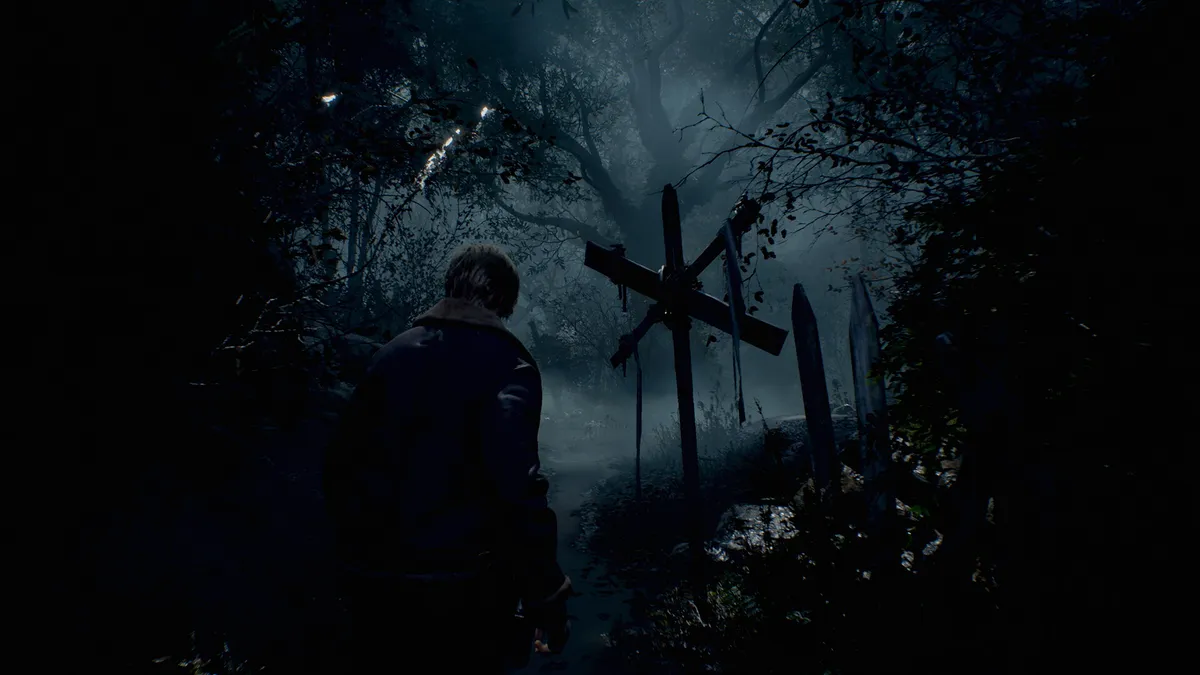
Carrying the entirety of Resident Evil 4 Gold Edition in a backpack without relying on a remote cloud server felt out of reach on Nintendo hardware until very recently. Following its native digital launch on October 16, 2026 for the Nintendo Switch 2, Capcom has delivered the full survival-horror experience locally, though the visual compromises required to get there are impossible to miss on a big screen.
Coming right after Resident Evil 3 Remake hit a smooth native 60 FPS on Switch 2, Leon S. Kennedy's adventure places a far heavier geometric and CPU burden on the hybrid chipset. Between the dense Spanish village sequences and the complete Separate Ways expansion, balancing responsive handheld play against image clarity leaves almost all the heavy lifting to AI upscaling.
360p Handheld and 540p Docked: Inside the NVIDIA DLSS Reconstruction
To keep frame times manageable across sprawling outdoor arenas, the internal renderer drops its native pixel count remarkably low before reconstruction kicks in. Detailed pixel-count analyses show the game operating at an internal base of roughly 520p to 540p in docked mode, while plummeting down to 360p in handheld play.
From that modest baseline, NVIDIA DLSS reconstructs a clean 1080p output signal. On the built-in portable display, temporal upscaling masks the low source resolution surprisingly well during motion, whereas playing docked on a large 4K television exposes noticeable shimmering across distant tree branches and fine ironwork.
Cut Reflections, Scaled-Back Foliage, and a 60 FPS Target Under Pressure
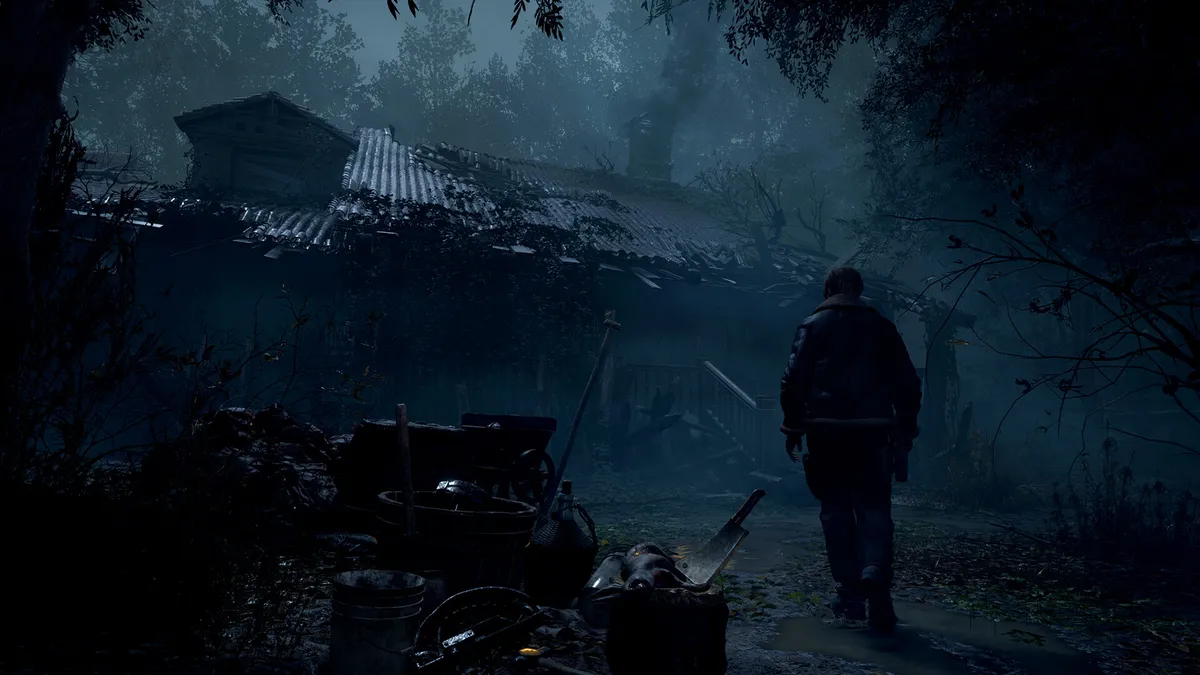
Beyond raw pixel counts, the visual feature set aligns much closer to the last-generation PlayStation 4 release than the PlayStation 5 version. Screen-space reflections (SSR) have been stripped from wet cobblestones and puddles, volumetric fog runs at a lower resolution, and secondary light sources no longer cast real-time dynamic shadows.
Even so, the system's expanded memory pool allows texture sharpness and Leon's individual hair strands to hold up noticeably better than on older eighth-generation consoles. That architectural flexibility reflects how Capcom's turbulent development overhaul on Resident Evil 7 originally birthed the scalable RE Engine to bridge vastly different hardware generations.
- Docked Internal Resolution: 520p to 540p reconstructed to 1080p via NVIDIA DLSS.
- Handheld Internal Resolution: 360p upscaled through neural reconstruction on the portable display.
- Frame Rate Profile: 60 FPS target held indoors, with dips into the 40 to 50 FPS range during heavy village ambushes.
- Graphics Presets: Single locked visual configuration with no 40 FPS cap toggle or quality mode switch.
Because the developers opted for a single graphics preset without an optional 40 FPS cap, chaotic encounters packed with Ganados introduce visible frame pacing fluctuations. Once the pacing shifts into the tighter corridors of Salazar Castle or the late-game island facility, however, performance settles much closer to its 60 frames per second target.
A 29.0 GB Gold Edition Package and Launch Discount Window
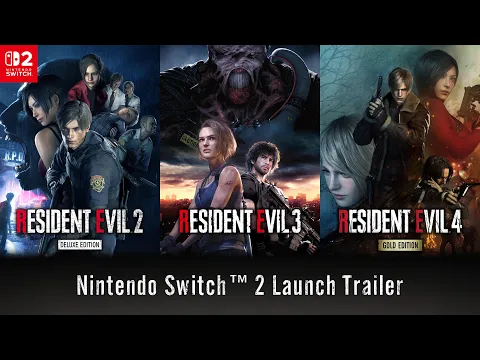
Content-wise, nothing has been left on the cutting-room floor: the package bundles the full 2023 base remake, Ada Wong's Separate Ways story campaign, and the Extra DLC Pack outfits and weapons. Downloading the complete bundle from the Nintendo eShop requires 29.0 GB of storage space.
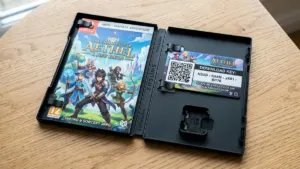
Early adopters can pick up the digital release for a discounted price of $39.99 through November 7, 2026, before it returns to its standard $49.99 retail tag. A boxed edition is also slated for January 29, 2027, though physical collectors should note it ships on a Game-Key Card that still requires a full digital download.
My Take: Neural Upscaling Saves Handheld Play, Even When TV Visuals Falter
Looking at this port through the lens of neural rendering, watching a 360p internal buffer resolve into a playable handheld image is a testament to how far mobile DLSS inference has come. Anyone expecting PlayStation 5 visual parity on a living-room screen will inevitably notice the missing puddle reflections and the frame drops in the opening plaza.
Yet curling up in bed or commuting with both the main campaign and Separate Ways running locally, completely free from cloud input lag or server queues, makes those graphical sacrifices easy to forgive. If a future patch simply introduces a locked 40 FPS toggle for the handheld screen, this portable compromise will feel far more cohesive from start to finish.

Based on the outskirts of New York City, Chaya 'Chayane' spent five years studying software engineering in Montreal before returning to her home state. A Full-Stack developer and Deep Learning AI architecture researcher, she explores neural networks and algorithmic optimization while engineering data pipelines for Retrocharting and Gamescharting alongside Grimtag. A gamer for over 20 years and an avid collector of Nintendo history and The Legend of Zelda, she explored World of Warcraft's Azeroth before bringing her deep technical background to video game analysis.