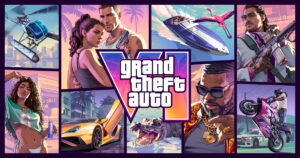
GTA 5 Was Finally Running on Nintendo Switch: Rockstar Threatens Lawsuits and Forces Modders to Shut Down
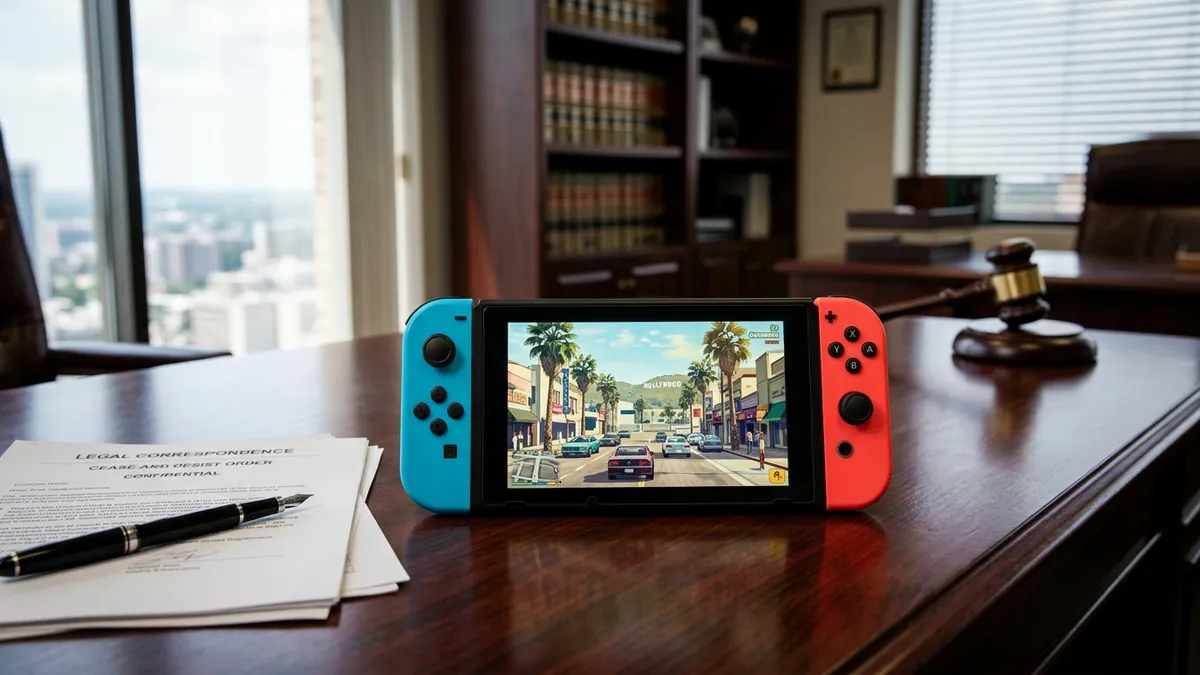
The technical achievement sounded like something ripped straight out of a modder fantasy, but its real-world lifespan proved remarkably short. While Rockstar Games has notoriously bypassed Nintendo's handheld hybrid for over a decade, an ambitious team of independent developers pulled off the unthinkable: booting Grand Theft Auto 5 natively on Nintendo Switch hardware.
Spearheaded by developer M0jso under the banner of Paralympics Productions, the project immediately caught fire across social media and underground gaming forums. That celebration came to an abrupt halt as Take-Two Interactive unleashed its legal department to shut down the unauthorized port.
An authentic native port running straight on Nintendo silicon
Unlike conventional workarounds that depend on GeForce Now, local PC streaming, or cumbersome Android and Linux dual-boot partitions, this port ran directly on Horizon, the native operating system of the Nintendo Switch. Making that happen required a modded console alongside aggressive low-level software adjustments.
Performance on baseline hardware was predictably strained, hovering between 10 and 25 frames per second throughout the sprawling urban streets of Los Santos. When tested on a Nintendo Switch OLED with a tuned Tegra X1 overclock, the title managed to brush against the 30 frames per second ceiling in quieter open spaces, though busy intersections still triggered sharp frame drops.
Yet this technological milestone harbored a fatal vulnerability. To compile and structure such a massive open-world title on foreign architecture, the development team reportedly utilized leaked GTA 5 source code that had surfaced online during the high-profile studio data breaches of late 2023.
Take-Two intervenes with immediate legal ultimatums
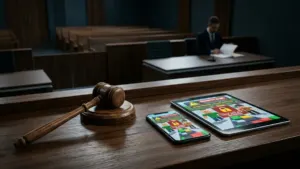
From the perspective of Take-Two Interactive and Rockstar Games, the boundary between an enthusiastic technical experiment and industrial copyright infringement had been unmistakably crossed. The publisher swiftly deployed formal cease-and-desist warnings, warning of severe statutory damages if distribution continued.
Confronted with the overwhelming financial firepower of corporate litigation, the development team opted against any courtroom standoff. M0jso took to social media to announce the permanent cessation of the project and the total dissolution of Paralympics Productions, effective October 3, 2026.
“I am thankful for Take-Two's mercy, so this is the definitive end,” M0jso stated in a candid public statement, offering apologies to supporters whose expectations were cut short. The developer openly conceded that fighting the publisher in court was futile, acknowledging that past public bravado would quickly shatter any defense of innocent ignorance before a judge.
Wiped repositories and shuttered community hubs
The capitulation was total and immediate. All source repositories hosted on GitHub have been taken down, shared build links were revoked, and the project's official Discord server is scheduled to permanently close its doors by the publisher's strict deadline.
This swift crackdown mirrors Take-Two's well-established playbook of zero tolerance regarding its intellectual property. From dismantling the Liberty City Preservation Project in early 2025 to forcing the WWE to drop its Vice City trademark, the corporate giant consistently snuffs out any unauthorized ventures that brush against its marquee franchises.
The looming shadow of Nintendo Switch 2
Beyond the legal necessity of locking down stolen proprietary assets, the aggressive response aligns with critical strategic timing. While GTA 5 skipped the original Switch, the upcoming arrival of the Nintendo Switch 2 presents a massive commercial opportunity for an official, full-priced release.
Rockstar Games has never permitted anyone to hand out for free, even in an experimental state, an experience it might later monetize on modern retail shelves. The brief era of Los Santos running on current Nintendo hardware is officially over, leaving behind a stark reminder that leaked proprietary code remains an uncrossable line in modern game development.

SEO consultant for over 20 years and digital entrepreneur, Charles 'Grimtag' Ronchain is the founder of Pro-Gamer.gg, Retrocharting.com, and Gamescharting.com. A competitive gamer, streamer, and retro game collector, he has worked in the video game industry for over 15 years, notably as a consultant for leading game price comparison platforms. Passionate about real-time performance data and gaming technology, he analyzes competitive esports, gaming hardware benchmarks, and creator workflows on Pro-Gamer.gg with an authentic player perspective.