After Nearly 60 Years in Las Vegas: Why Sony Is Officially Walking Away From CES
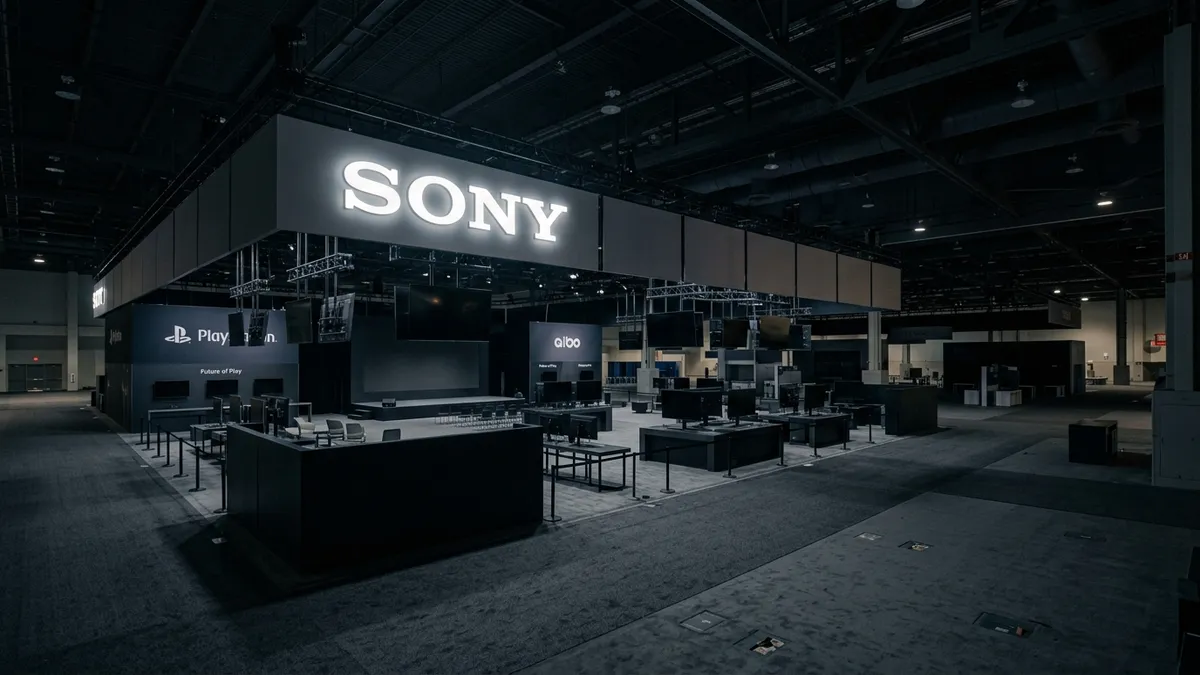
It represents a quiet yet monumental earthquake for the global technology industry. For the first time since the inaugural event was held in New York back in 1967, Sony will not book a single square foot at the Consumer Electronics Show in Las Vegas.
The Japanese conglomerate has internally confirmed that it will officially skip the January 2027 edition. This decisive move abruptly ends sixty uninterrupted years of massive keynote addresses, sprawling show floors, and high-profile hardware unveilings beneath the neon lights of Nevada.
For decades of engineers and enthusiasts, Sony's dominant presence in the Central Hall served as the heartbeat of CES. Watching a foundational pillar abandon the convention floor marks the definitive conclusion of a golden era for traditional consumer electronics expos.
The Collapse of the Afeela Electric Vehicle Project
Throughout the past five years, Sony's CES showcase revolved almost entirely around a single ambition: its electric vehicle partnership with Honda. The sprawling booth in Las Vegas served primarily as a high-tech stage for the Afeela electric sedan, demonstrating autonomous driving integrated with the PlayStation ecosystem.
The recent dissolution of that joint venture and the quiet cancellation of the production vehicle delivered a harsh reality check in Tokyo. Stripped of its flagship automotive centerpiece, leadership faced a straightforward economic question: spending tens of millions of dollars to display conventional hardware no longer offered viable returns.
Exhibition expenses in Las Vegas have surged dramatically in recent years. Between floor space reservations, flying out hundreds of executives, and building massive multi-tier booths, the financial burden simply stopped making business sense.
Shifting From Hardware Maker to Entertainment Powerhouse
This dramatic withdrawal reflects a fundamental strategic pivot that has been accelerating over the past decade. Sony no longer defines itself primarily as a maker of television sets or audio systems, sectors where intense overseas competition has systematically eroded margins.
The company recently finalized licensing deals handing Bravia television production over to Chinese manufacturer TCL. Sony's true profit engine now resides firmly in entertainment and intellectual property: gaming via PlayStation, music publishing, Hollywood cinema, and anime streaming through Crunchyroll.
Within this content-first business model, traditional hardware trade shows have become increasingly obsolete. The modern audience investing in consoles, games, and streaming subscriptions does not follow industrial electronics expos.
This sweeping digital evolution mirrors the broader trajectory of the gaming branch itself. Much like ongoing internal discussions exploring how PlayStation 6 could scrap the physical disc drive for a digital-only shift, corporate communications are shedding the physical constraints of legacy distribution.
Direct Broadcasts and State of Play Replace Massive Show Floors
The final factor behind this departure is the overwhelming effectiveness of direct-to-consumer digital channels. Competing for headlines alongside Samsung, LG, Nvidia, and AMD within an overcrowded convention center offers little upside compared to dedicated broadcasts that command undivided global attention.
Sony previously proved this exact playbook when it walked away from E3 years before the gaming expo officially collapsed. Through State of Play presentations, PlayStation Showcases, and targeted creator events, the company dictates its own news cycle without sharing the spotlight.
CES is losing one of its founding champions. For players and tech analysts alike, the takeaway is unmistakable: Sony's future will no longer be staged inside the Las Vegas Convention Center, but delivered directly to our living rooms on its own schedule.

SEO consultant for over 20 years and digital entrepreneur, Charles 'Grimtag' Ronchain is the founder of Pro-Gamer.gg, Retrocharting.com, and Gamescharting.com. A competitive gamer, streamer, and retro game collector, he has worked in the video game industry for over 15 years, notably as a consultant for leading game price comparison platforms. Passionate about real-time performance data and gaming technology, he analyzes competitive esports, gaming hardware benchmarks, and creator workflows on Pro-Gamer.gg with an authentic player perspective.