23 Years of History, $9.6M Unpaid Note: Complexity Gaming Shuts Down as Jason Lake Steps Away
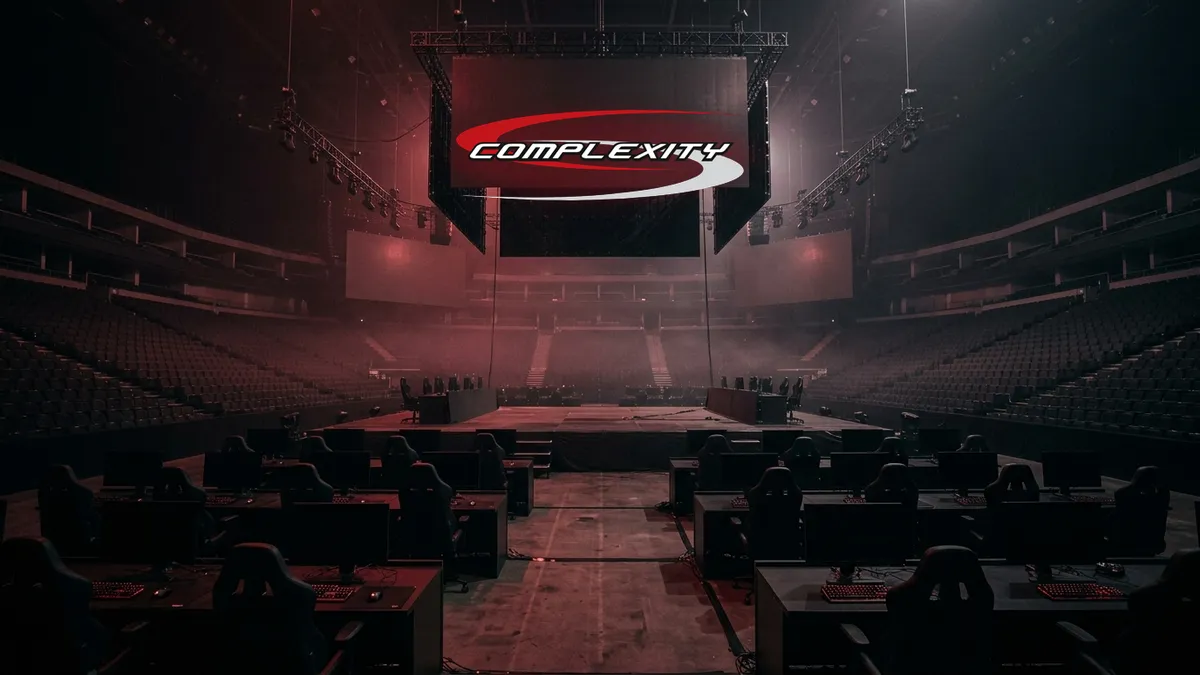
The competitive gaming world witnessed the end of an era this week. On Wednesday, September 23, 2026, Jason Lake officially announced the permanent shutdown of Complexity Gaming after 23 years of operations.
In an emotional video statement addressed directly to fans and players, the longtime founder closed the book on one of esports' most storied institutions. The departure marks the fall of a cornerstone that helped define North American competitive gaming from its earliest days.
An Unpaid $9.61 Million Note Seals the Organization's Fate
The decision to pull the plug was not triggered by poor in-game results or a decline in fan engagement. Instead, the organization hit a financial brick wall that proved impossible to climb.
Back in March 2024, Jason Lake led a management buyout to reacquire Complexity from parent company GameSquare in a deal valued at $10.36 million. The core of this transaction relied on a seller-held promissory note worth $9.61 million.
With global venture capital retreating and market conditions tightening across tech and entertainment, Lake and his executive team were unable to raise the capital required to settle the note. Consequently, legal ownership of the Complexity name and all associated intellectual property now reverts directly to GameSquare.
The Collapse of the Venture Capital Bubble
Founded in 2003, Complexity belonged to the legendary class of early North American powerhouses alongside Team Liquid and Evil Geniuses. The club cut its teeth in smoke-filled LAN centers and basement Counter-Strike 1.6 tournaments before evolving into a global brand.
Complexity later experienced the full force of the esports financial boom. In 2017, Dallas Cowboys owner Jerry Jones and investor John Goff acquired the organization, ushering in an era of multi-million-dollar headquarters and runaway spending.
That speculative period drove player salaries beyond $40,000 per month without establishing a sustainable, revenue-generating foundation. As detailed in our breakdown of the modern esports business model, the prolonged industry winter has decisively shut off free-flowing venture capital.
An Orderly Wind-Down to Protect Players and Staff
Rather than spiraling into sudden bankruptcy or chaotic court receivership, Lake took deliberate steps to manage the exit. The internal decision to wind down operations was finalized in late 2025.
This deliberate schedule allowed Complexity to pay all outstanding payroll and release staff and competitors under orderly, negotiated terms. No employees were left stranded without severance.
After stepping back from top-tier competition in Counter-Strike 2 in late summer 2025, the organization systematically concluded its rosters across Halo, Rocket League, and Madden.
Jason Lake Steps Aside, But Refuses Retirement
In an industry increasingly dominated by risk-averse holding groups, Lake stood out as an unapologetic, passionate operator. Decades of broadcast footage capture him screaming encouragement behind his players at CPL events or tearing up during Major qualifications.
During the 2024 buyout, he staked his personal savings and reputation to keep the brand independent. He pushed every financial lever available before accepting that the math no longer worked.
Lake made it clear that he is not retiring from gaming. Following a sabbatical to recharge throughout the rest of 2026, he plans to return and build new initiatives within the competitive scene.
The closing of Complexity marks the definitive end of the early esports romance. The surviving organizations of the next decade will not be those burning external capital, but those disciplined enough to operate within their true economic means.

SEO consultant for over 20 years and digital entrepreneur, Charles 'Grimtag' Ronchain is the founder of Pro-Gamer.gg, Retrocharting.com, and Gamescharting.com. A competitive gamer, streamer, and retro game collector, he has worked in the video game industry for over 15 years, notably as a consultant for leading game price comparison platforms. Passionate about real-time performance data and gaming technology, he analyzes competitive esports, gaming hardware benchmarks, and creator workflows on Pro-Gamer.gg with an authentic player perspective.