Riot Games Eyes Prediction Market Deals: A High-Stakes Gamble to Reshape Esports Economics
Following the abrupt collapse of the cryptocurrency sponsorship bubble and the severe market correction across 2024 and 2025, competitive esports is searching for sustainable liquidity. According to industry reporting from Esports Insider, Riot Games is formally evaluating commercial partnerships centered on prediction markets across its premier circuits in League of Legends and VALORANT.
This development aligns with a broader industry scramble to monetize high spectator engagement through real-time predictive platforms rather than relying solely on passive broadcast ad impressions.
The Exhaustion of Traditional Sponsorship Models
The harsh financial reality is well understood among team executives: endemic hardware brands and mainstream lifestyle sponsors can no longer underwrite multi-million-dollar franchise operating expenses. Tier-1 organizations in leagues like the LEC, LCS, and VCT continue to trim player payrolls to survive.
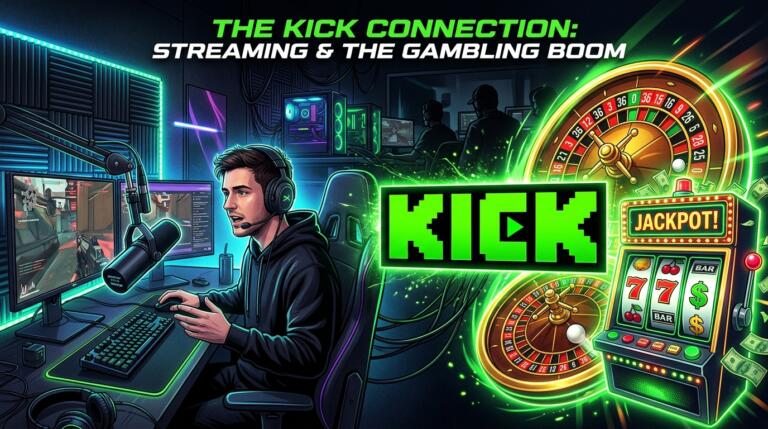
Prediction markets—propelled into mainstream financial discourse by platforms like Polymarket and Kalshi—allow users to trade probability contracts on micro-events in real time (first blood, Baron secures, pistol round outcomes). Because these frameworks position themselves at the intersection of event-based forecasting and financial technology, they offer a lucrative alternative to heavily restricted traditional sportsbooks.
"Esports audiences are young, analytically driven, and constantly tracking live match data. For tournament operators, prediction platforms represent the most aggressive source of fresh capital in the market."
Integrity Risks and Public Scrutiny
Tapping into speculative forecasting carries significant competitive liability. Riot Games has historically cultivated a brand-safe, family-friendly corporate image, strictly banning betting sponsors on official western broadcasts. Incorporating real-money prediction markets into sanctioned tournament ecosystems risks exposing pro players to targeted harassment and spot-fixing vulnerabilities on specific in-game objectives.
With rival tournament operators like PGL extending multi-year betting agreements and data aggregators embracing short-term crypto settlement rails, Riot's eventual posture will set the regulatory benchmark for the entire international esports circuit.
Survival in the Modern Era
The era of venture-backed esports subsidization is permanently over. If franchised teams are to maintain professional coaching infrastructures and competitive salaries, deeper viewer monetization is mandatory. The core challenge for Riot Games will be engineering bulletproof safeguards before letting financial speculation anywhere near the integrity of the Summoner's Rift.