DualSense 2.0 for PS6: Stick Drift Fix and Replaceable Battery Revealed in New Sony Patents
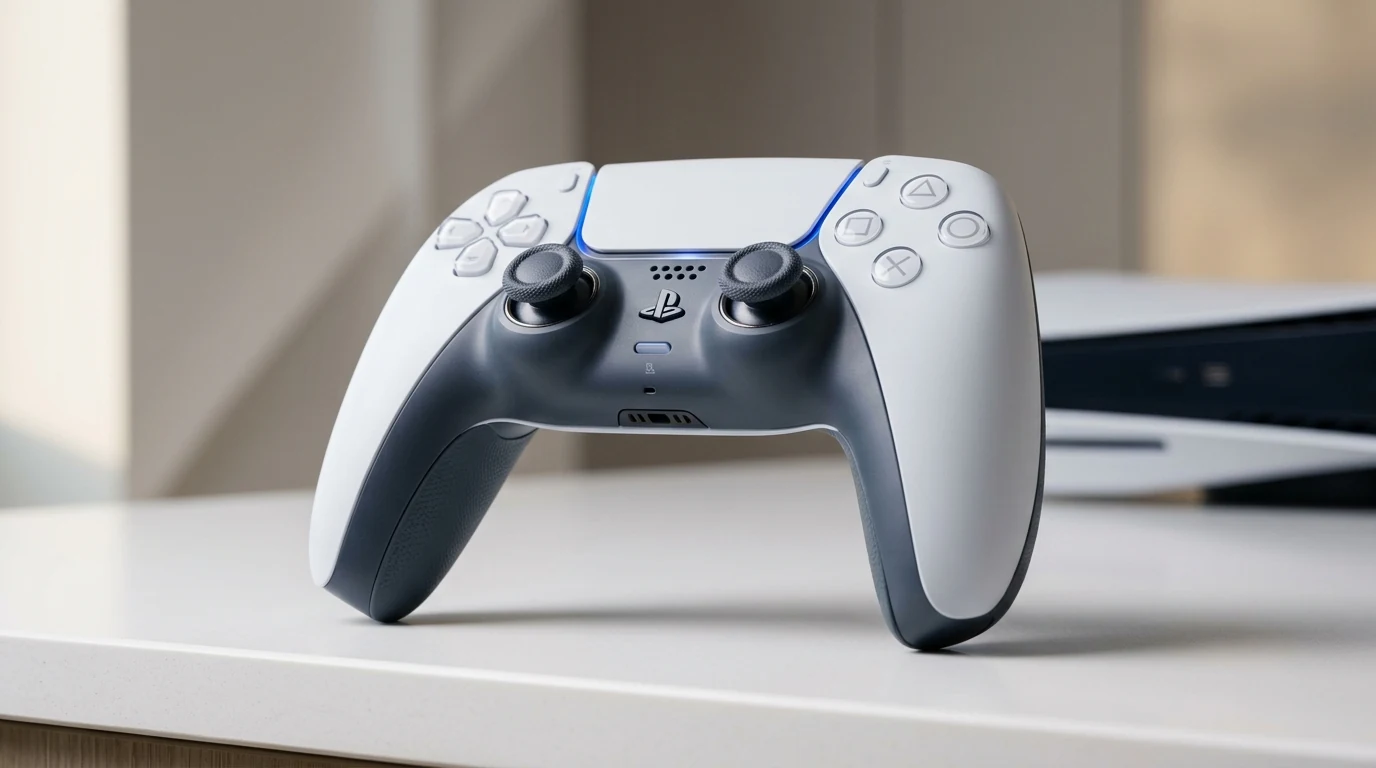
Hardware preparations for the upcoming console generation are reaching a pivotal turning point. Just as the taped-out chips for PS6 and the next Xbox are already taking shape at TSMC semiconductor foundries, Sony Interactive Entertainment is refining the most critical user-facing element of its hardware ecosystem: the controller. A newly surfaced batch of industrial patent filings, uncovered and broken down by technical hardware publications, details the upcoming DualSense 2.0 designed specifically for the PlayStation 6.
According to the technical schematics, Sony is finally confronting the three most frustrating flaws of the current generation: mechanical analog stick drift, rapid battery degradation, and the inability for everyday users to swap out dead battery cells without risking permanent damage to the plastic chassis.
Hall Effect Magnetic Sticks: The Definite End of Stick Drift
This is unquestionably the single biggest upgrade core players have demanded since the launch of the PlayStation 5 in 2020. The DualSense 2.0 completely abandons the mechanical ALPS potentiometer assemblies found in existing controllers. Traditional analog modules rely on metal wipers physically scraping across carbon resistive tracks to register stick movement. Over months of regular gaming, friction wears down the tracks and creates microscopic debris, triggering phantom inputs that cause characters to walk or crosshairs to wander on their own.
Sony's new engineering filings confirm a full transition to contactless magnetic Hall Effect sensors. Each thumbstick module houses permanent micro-magnets paired with dedicated magnetic flux sensors. As the player tilts the stick, the sensor measures changes in the magnetic field with zero physical friction. This architecture eliminates physical contact wear, delivers razor-sharp input precision over years of use, and drastically cuts down resting dead zones.
Swappable Modular Battery: European Regulations Reshape Controller Design
The second major structural overhaul targets the internal power supply. In the original DualSense, the lithium-ion battery sits buried beneath the main motherboard, hooked up via delicate internal ribbon cables. The DualSense 2.0 redesign introduces an accessible modular compartment directly integrated into the rear housing.
This shift directly aligns with European Union eco-design directives and Right to Repair legislation, which require consumer electronics manufacturers to make batteries easily removable by the owner. Beyond legal compliance, this modular layout allows Sony to deploy higher-density battery cells for longer session life, while ensuring players can replace an aging pack in seconds rather than tossing an otherwise pristine controller into the trash.
Modular Haptics and Capacitive « DualSense Touch » Grip Sensors
Alongside reliability fixes, Sony engineers are upgrading overall gameplay feedback. The new controller features redesigned voice-coil haptic actuators that respond in mere milliseconds, providing sharper localized feedback. The adaptive L2 and R2 triggers also receive finer digital tension steps, letting developers emulate everything from the progressive pull of a recurve bow to the sharp break-point of an anti-lock brake pedal.
The patent suite also showcases an exploratory innovation dubbed « DualSense Touch ». Capacitive sensor arrays are woven directly into the textured grip surfaces beneath the palms. These sensors monitor finger placement and grip tension in real time, unlocking new contextual inputs without requiring players to lift their thumbs from the analog sticks.
Editorial Perspective: The End of an 80-Dollar Hardware Nightmare
I will be completely blunt: seeing Sony commit to magnetic sticks and an easily replaceable battery on the DualSense 2.0 is an enormous relief. Like millions of competitive players, I have lost count of how many controllers I had to send into customer support or stash in a graveyard drawer after just six months of intense play. Having to drop 80 dollars on a brand-new gamepad simply because a fifty-cent plastic potentiometer wore out was an intolerable hardware design failure.
For years, major console manufacturers pretended that analog stick drift was just an unavoidable byproduct of mechanical wear. Yet third-party controller builders proved long ago that Hall Effect modules work flawlessly without driving production costs through the roof. It took persistent pressure from independent peripheral makers and strict European repairability laws to finally force Sony's hand, but the outcome is exactly what gamers deserved all along.
If the PlayStation 6 ships with a standard pack-in controller that refuses to drift, maintains sub-millimeter tracking accuracy, and lets you swap its battery at your desk in thirty seconds, Sony will have wiped away one of the most frustrating stains of modern console hardware.

SEO consultant for over 20 years and digital entrepreneur, Charles 'Grimtag' Ronchain is the founder of Pro-Gamer.gg, Retrocharting.com, and Gamescharting.com. A competitive gamer, streamer, and retro game collector, he has worked in the video game industry for over 15 years, notably as a consultant for leading game price comparison platforms. Passionate about real-time performance data and gaming technology, he analyzes competitive esports, gaming hardware benchmarks, and creator workflows on Pro-Gamer.gg with an authentic player perspective.