NVIDIA GeForce RTX 60 Reportedly Delayed to 2028: Next-Gen Rubin GPUs Face Extended Wait
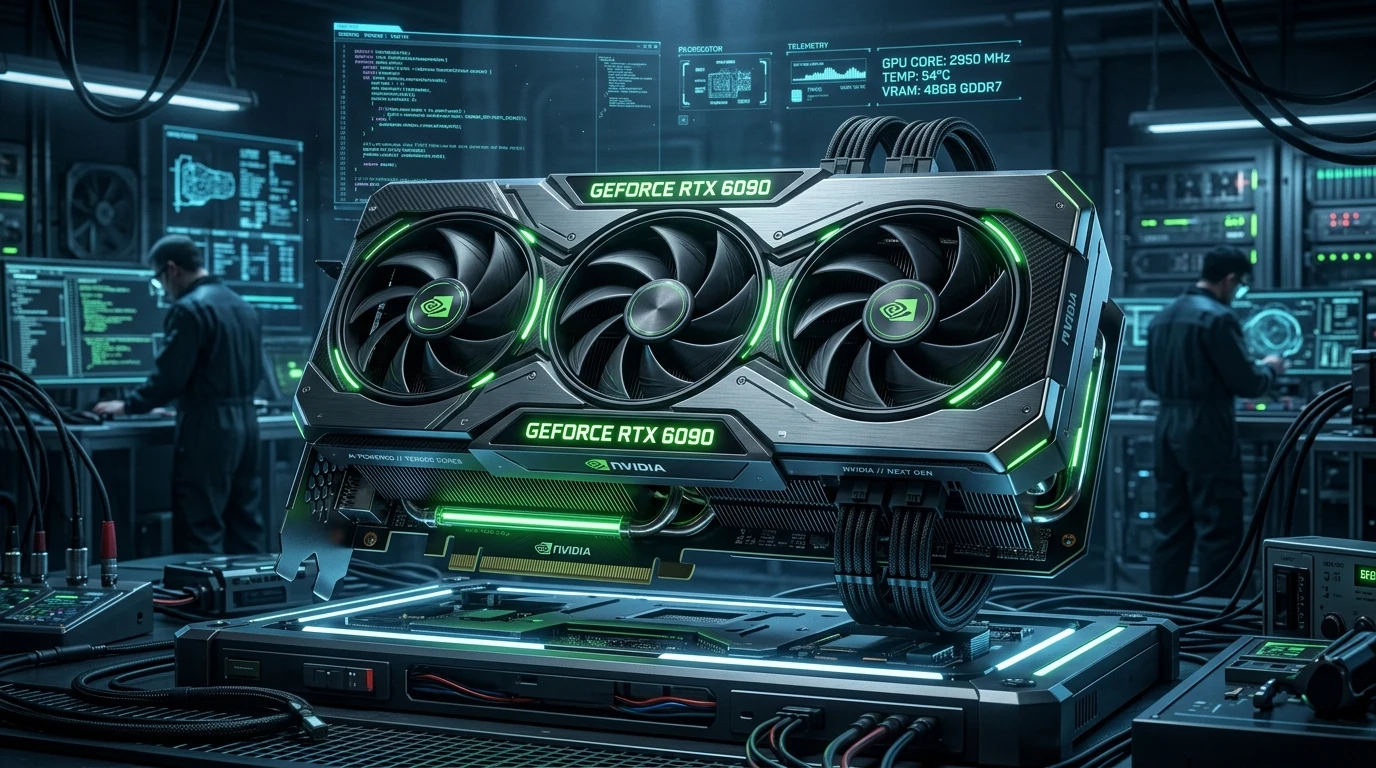
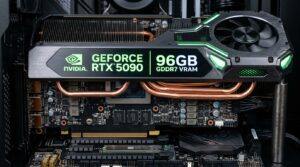
NVIDIA's traditional hardware launch roadmap has hit a major wall. While PC gamers and competitive enthusiasts anticipated the unveiling of the next-generation GeForce RTX 60 graphics cards in late 2027, industry insiders now confirm an official slip to 2028. The historic two-year generational release rhythm, upheld reliably across Ampere, Ada Lovelace, and Blackwell, is officially broken.
The leak originates from prominent insider kopite7kimi, whose track record regarding Santa Clara architectures spans nearly a decade. In a clear disclosure earlier today, the insider stated: "Unfortunately, GR20x is a product from 2028. That means they have postponed again." This statement corroborates earlier insights from other hardware sources such as Kepler_L2, indicating a deliberate strategic decision at the highest levels of NVIDIA leadership.
Rubin Architecture and GR20x Dies: Why NVIDIA Shifted Its Timeline
Behind closed doors, NVIDIA's next consumer generation carries the codename Rubin, tailored for gaming under the GR20x die family (with GR202 intended for the flagship RTX 6090). While architectural engineering remains active, mass commercialization for desktop gamers has taken a definitive back seat.
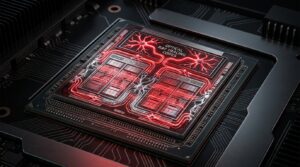
The primary driver behind this postponement is the massive demand for artificial intelligence and datacenter accelerators. TSMC's cutting-edge 3-nanometer N3P fabrication lines and CoWoS advanced packaging capacity are monopolized by server-grade Rubin R100 and R200 enterprise silicon. Given the unprecedented profit margins in enterprise AI, dedicating complex wafer capacity to consumer gaming GPUs carries a steep opportunity cost for NVIDIA.
GDDR7 Supply and Zero High-End Competition
Memory ecosystem dynamics represent another significant bottleneck. Widespread adoption of ultra-fast GDDR7 VRAM involves elevated manufacturing and procurement costs. NVIDIA prefers allowing memory foundries (Samsung, SK Hynix, Micron) adequate runway to ramp up yields and drive down unit costs before outfitting a complete mainstream gaming lineup.
Crucially, NVIDIA enjoys total commercial tranquility at the enthusiast tier. With AMD electing to focus its RDNA 4 graphics architecture exclusively on the mid-range segment rather than contesting the halo performance crown, Team Green faces zero competitive urgency on high-end desktop SKUs.
GeForce RTX 50 Super Refresh Planned for 2027
Rather than leaving retail shelves stagnant for three consecutive years, NVIDIA is expected to fill the gap with a mid-cycle refresh. Industrial supply chain sources indicate a comprehensive GeForce RTX 50 Super lineup slated for 2027.
This intermediate update will refine Blackwell silicon efficiency, push slightly higher clock speeds, and incorporate faster GDDR7 modules (likely rated at 32 Gbps). This time-tested strategy allows NVIDIA to stimulate seasonal upgrade demand without committing massive capital expenditures toward early consumer 3nm allocation.
Verdict on the RTX 60 Postponement
Pushing the RTX 60 series to 2028 is a direct byproduct of modern semiconductor economics reshaped by enterprise AI. Desktop gamers are no longer NVIDIA's primary revenue locomotive, and the absence of aggressive high-end pressure from AMD removes any impetus to accelerate release schedules.
Looking at current retail hardware, the reality is unmistakable: major PC manufacturers and system integrators (ASUS, Lenovo, MSI, Dell, and HP) overwhelmingly engineer their flagship architectures and thermal systems around NVIDIA. Across prebuilt desktop towers and gaming laptops, Team Green's proprietary ecosystem (DLSS frame generation, driver stability, and the indispensable NVENC streaming encoder) sells systems effortlessly, leaving NVIDIA in an unassailable position of market power.
Meanwhile, AMD has settled into its pragmatic "good value" niche. For custom PC builders on a sensible budget, Radeon cards remain the rational purchase: solid hardware for a fair price, generous VRAM buffers, and excellent raw rasterization per dollar spent. But by refusing to challenge the enthusiast summit, AMD grants its rival complete dominance. System integrators have zero viable alternatives for extreme configurations, and NVIDIA has no financial reason to rush expensive 3nm gaming chips to market when current Blackwell cards continue to command premium prices unchecked.
For PC builders, this timeline offers an extended lifespan for current GeForce RTX 50 systems. On the other hand, it also signals that groundbreaking architectural leaps will require patience until 2028, underscoring an industry where flagship hardware pricing risks remaining firmly entrenched at premium plateaus.

SEO consultant for over 20 years and digital entrepreneur, Charles 'Grimtag' Ronchain is the founder of Pro-Gamer.gg, Retrocharting.com, and Gamescharting.com. A competitive gamer, streamer, and retro game collector, he has worked in the video game industry for over 15 years, notably as a consultant for leading price comparison platforms. Passionate about real-time performance data and gaming technology, he analyzes competitive esports, gaming hardware benchmarks, and creator workflows on Pro-Gamer.gg with an authentic player perspective.