Esports Business Model in 2026: The End of the Bubble and the New Path to Profitability

Esports has finally killed off its pipedreams. Between 2019 and 2023, the ecosystem indulged in speculative illusions, burning through hundreds of millions of dollars in unprofitable franchises, player salaries disconnected from reality, and artificial valuations. In 2026, the party is over, but the industry is far healthier for it: real cash flows, sustainable in-game revenue, and operational profitability have taken center stage.
1. Anatomy of the Crash and the Death of the "100% Sponsorship" Model
For a decade, team executives sold smoke and mirrors to corporate boards at non-endemic brands: "Invest $3 million a year, and you will reach Gen Z." The problem? Brands never converted those billions of passive impressions into paying customers.
When interest rates spiked and marketing budgets came under the microscope, pure sponsorship deals plummeted by an average of 42%. The organizations that survived were those that radically overhauled their business model:
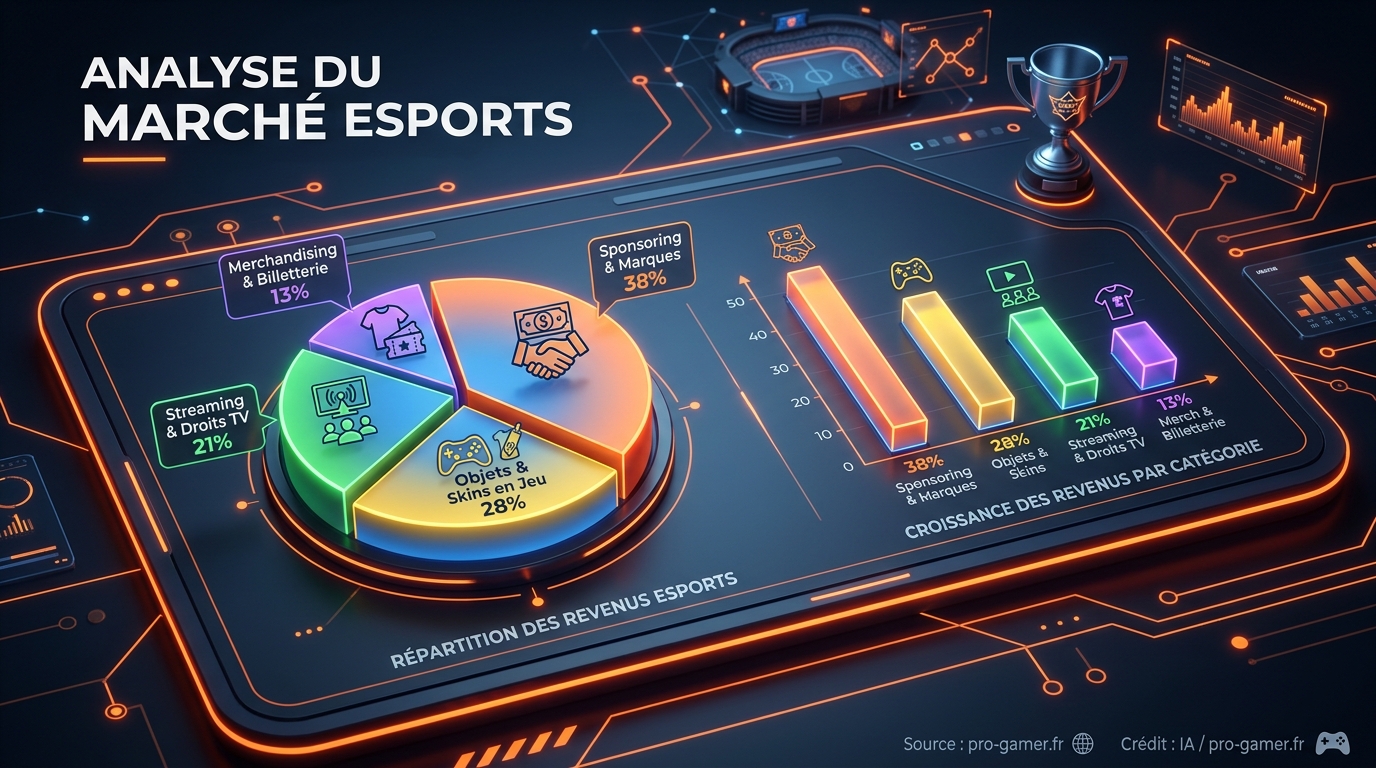
Average financial breakdown of a profitable Tier 1 European esports organization in 2026. Source: pro-gamer.gg | Credit: AI / pro-gamer.gg
Comparison Table: The Evolution of Team Business Models (2021 vs. 2026)
2. In-Game Skins and Bundles: The Holy Grail at 90% Margin
Why did game publishers step in to save esports? Because they realized that esports teams are their best marketing engine. Rather than propping up loss-making leagues with artificial subsidies, Valve and Riot Games embraced direct capitalism:
- Riot Games (VCT & LoL): VALORANT Champions Tour team capsules generated over $44 million redistributed directly to partner organizations in a single season. A team like Sentinels or Fnatic pockets between $1.5 million and $3 million per year solely from sales of its branded banner and weapon skin.
- Valve (Counter-Strike 2): The historic Major sticker system remains a money-printing machine. The Paris and Copenhagen Major capsules paid out an average of $800,000 to $1.4 million to every team qualifying for the Legends stage.
For an organization, the upside is massive: virtually zero production costs (the publisher's 3D studio handles the asset creation), no inventory to manage, zero shipping logistics, and a gross margin topping 90%.
To understand the mechanics of supplementary ad networks, check out our in-depth breakdown of how esports sponsorship contracts and ad networks are structured.
3. The Karmine Corp Textbook Example: Physical Venues and Co-Streaming
The fact that the French scene dominates Europe in fan engagement is no accident. Karmine Corp and Gentle Mates cracked the code of modern sports monetization ahead of everyone else:
- Proprietary Co-Streaming: Over 60% of the audience for an LFL or LEC match does not watch the official Riot or OTP broadcast, but tunes into Kameto or Gotaga's personal stream instead. The team monetizes this dual audience directly (jersey sponsors on stage + live sponsor integrations during the team owner's Twitch stream).
- Dedicated Physical Arenas (Grand Paris Sud): By setting up residency in a permanent 3,000-seat arena in Evry, KCorp created recurring season ticket revenue (the "Karmine Pass") much like traditional soccer or basketball clubs, capturing direct retail margins on concessions, drinks, and exclusive on-site merchandise.
4. Pro Player Salary Realities in 2026: The New Pay Scale
Market correction finally put an end to the absurdity of paying players 40,000 euros a month just to finish 8th in a regional league. Today, compensation packages have been thoroughly restructured:
To see our player-by-player breakdown of the biggest pro contracts, check out our full report on top-earning French esports player salary scales.
Esports no longer needs to chase traditional television or the NBA model. In 2026, its true strength lies in a unique hybrid identity: 50% community-driven sports franchise, 50% digital entertainment studio. Investors are no longer chasing whimsical unicorn valuations; they are backing sustainable clubs capable of delivering real dividends powered by the unconditional loyalty of their fanbases.

SEO consultant for over 20 years and digital entrepreneur, Charles 'Grimtag' Ronchain is the founder of Pro-Gamer.gg, Retrocharting.com, and Gamescharting.com. A competitive gamer, streamer, and retro game collector, he has worked in the video game industry for over 15 years, notably as a consultant for leading game price comparison platforms. Passionate about real-time performance data and gaming technology, he analyzes competitive esports, gaming hardware benchmarks, and creator workflows on Pro-Gamer.gg with an authentic player perspective.