How to Become an Esports Coach: Can You Make a Living? Exclusive Interview with Yeger
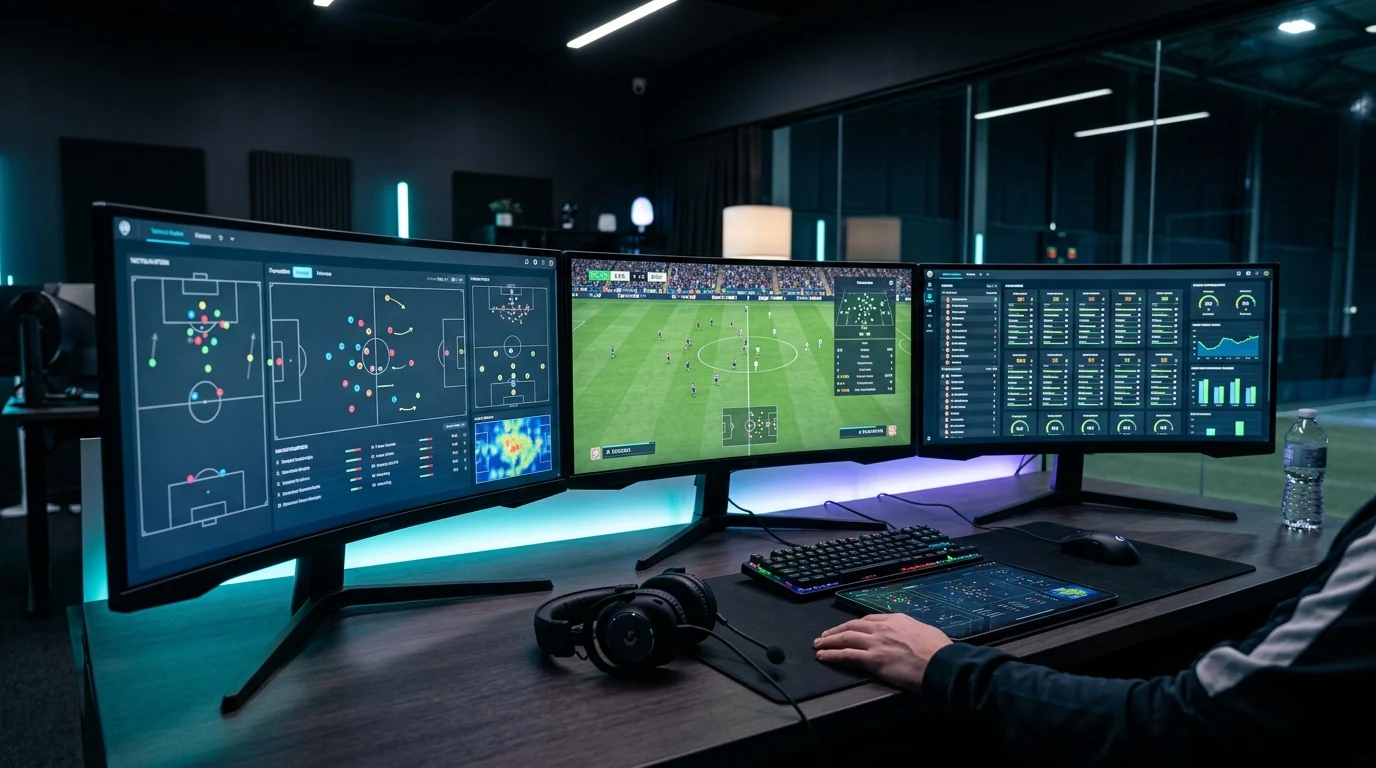
As esports professionalizes and competition reaches a fever pitch across ranked ladders, an indispensable discipline has quietly emerged behind every champion: esports coaching. Far removed from the old stereotypes of casual players giving advice in Discord calls, modern coaches operate as tactical strategists, video analysts, and mental performance trainers capable of transforming their players into elite contenders. But how do you make the leap from skilled player to respected coach? What are realistic rates, essential software tools, and sustainable career models?
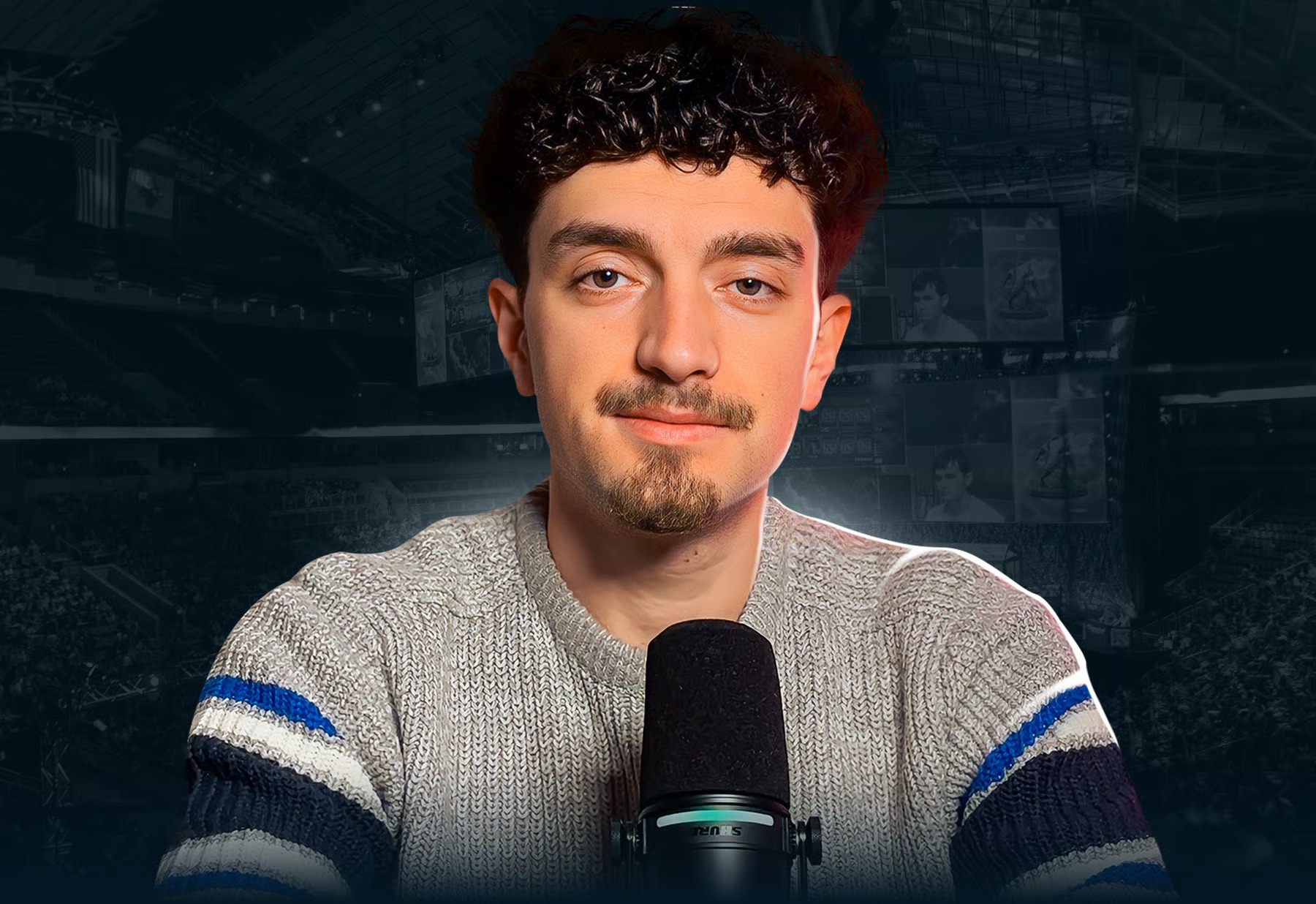
To pull back the curtain on this demanding profession, we sat down with Yeger, professional EA Sports FC coach for Clermont Foot 63 in 2026, former French top 20 player, and mentor who guided pro player Yaskow to the upper echelons of competitive soccer. Here is his transparent, no-holds-barred look inside the craft.
Daily Routine and Coaching Methodology
What does a typical day look like for an FC26 coach? How many hours do you spend in one-on-one sessions versus solo match analysis?
"It varies significantly, and it largely depends on the kind of coach you are. Amateur coaching is straightforward: you schedule set hours with clients throughout the week based on booking sessions. Some are individual, others are group clinics, and occasionally there are Discord communities to manage as well.
At the professional tier, the workload fluctuates with the competitive calendar. As major tournaments draw closer, the workload ramps up dramatically, so you have to capitalize on off-peak weeks to dive deep into fundamentals. Personally, I split my time across both spheres. Nailing down an exact daily figure is nearly impossible: it can range from zero hours for several days to more than ten intense hours during tournament peaks.
In terms of structure, however, there is a dedicated routine. I start with raw gameplay footage and break it down analytically. Next comes tactical interpretation, followed by the coaching session itself, either running live off the review or drilling down into targeted focus areas. That is the core cycle, along with scouting opponent gameplay and managing tournament prep."
Were you a top-tier competitive player yourself before transitioning into coaching? What motivated your decision to step behind the bench?
"I competed, but I was not what you would call a tier-one superstar. I was a solid player: I reached a French national championship final and hovered around the French top 20 at my peak.
What makes my path unusual is that I was drawn to coaching early on, both in traditional soccer and in esports. I made the switch at a young age, seized an opening, and crossed over to coaching quickly. That is relatively uncommon in esports, where most coaches only transition after concluding a long competitive playing career."
During your coaching sessions, do you spend more time refining mechanics on the stick or drilling broader tactical concepts?
"There is no hard-and-fast rule: it completely depends on individual skill level. At lower skill brackets, we focus heavily on mechanical execution. As a player climbs higher, that shifts toward tactics, though fine-tuning mechanics never truly stops, even at the highest levels.
It works like a funnel: the higher you climb, the more you obsess over micro-details. Ironically, top players frequently neglect basic fundamentals because they assume they have them down. Perfecting simple mechanics is harder than people realize. Ultimately, it is about identifying specific needs. Every session is unique, and every player demands a tailored approach. That adaptability is the real beauty of the craft."
Mindset, Frustration, and Managing Ranked Tilt
Competitive sports titles are notorious for inducing intense frustration in Ranked play. How do you handle psychology and combat tilt with your students?
"It is undeniably a frustrating game. I sought specific training in sports psychology to establish a solid foundation in mental performance. I am not a clinical psychologist and I stay in my lane, not everyone has the luxury of working with dedicated sports psychologists, but it allows me to address key issues and guide players through mental roadblocks.
Tilt by itself is a familiar hurdle, and fairly straightforward to manage at the amateur level. But sports psychology goes far beyond tilt and frustration: there are countless mental dimensions at play. My framework mirrors how I approach mechanics or tactics: I isolate the underlying issue, walk the player through understanding what is happening, contextualize the situation, and work step-by-step toward resolving it. These mental dynamics are never permanently solved once and for all: it is ongoing conditioning that improves over time.
I view mental conditioning as equally vital to mechanics and tactics. Each facet requires targeted attention. Proven methodologies exist, such as drawing parallels with traditional sports and stepping outside comfort zones, and I apply them wherever possible."
Business Models, Rates, and Monetization
How did you build your initial client base, and what is your take on coaching matchmaking platforms?
"Metafy is not something I use personally, as it has little presence in the competitive FIFA/FC community. However, I got started on similar early platforms that no longer exist, which helped me land my initial clients.
From there, I established partnerships with complementary third-party services in the scene, who ran promotions during my coaching sessions to bring in fresh students. I also started cultivating an organic social media presence, which steadily paid dividends.
The decisive breakthrough came through competitive results, especially at the pro level. Coaching pro player Yaskow as we climbed the competitive ranks together earned me serious credibility. That momentum kept building, eventually leading to my appointment as official esports coach for Clermont Foot in 2026. That is how this industry works: turning opportunities into stepping stones. There is no predefined career ladder; you have to carve your own path."
What is a realistic hourly rate range for a novice coach versus an established professional?
"For a beginner starting out, an hourly rate between $15 and $25 per hour is reasonable. Beyond that, pricing depends on package structure and long-term client commitment.
For an established coach, rates typically begin around $30 per hour and go up. I consider pricing up to $50 or $60 an hour fair value; beyond that mark, it starts getting steep for standard coaching. I have never charged those higher-end figures myself, though I know international coaches often command premium rates. Across the board, the industry average generally sits between $25 and $40 per hour.
There is also an important strategic choice to make. Many coaches offer cheap group clinics aiming for sheer volume. That has never been my philosophy: I have always prioritized individualized one-on-one coaching, which provides dramatically higher quality. I charged slightly more, accepting a smaller roster in exchange for deeper impact."
What legal business structure do you recommend for operating legally?
"A sole proprietorship (micro-enterprise format in France). Overhead and operating expenses are virtually nonexistent in this profession, giving you maximum operational freedom without having to worry about sales tax or VAT thresholds early on. And once you do cross those thresholds, it is actually a great milestone: it proves your business is thriving."
Can someone realistically survive purely on one-on-one coaching, or is revenue diversification mandatory?
"It is possible, I did it myself for a time, but it is precarious and highly volatile. Today, I no longer rely solely on private client sessions.
The primary issue is the game's annual release cycle. When the new title drops in September, you have no way of knowing whether clients will still be booking sessions by March. You lack year-round schedule visibility and remain tethered to gameplay reception and community hype. It can be mentally draining trying to keep your calendar filled. That is why very few coaches do it full-time. Most hold down a day job or diversify through content creation, primarily YouTube and Twitch, alongside TikTok.
Securing a position as an official coach for a major esports organization or traditional soccer club is a major milestone, as it provides a structured stipend to compete in flagship tournaments. However, landing those slots is extraordinarily difficult, and stipends are often modest, requiring you to maintain private coaching on the side. Balancing all three pillars, organizational backing, private clients, and content creation, is how you build a viable full-time living.
That said, do not be discouraged. It is challenging, but completely achievable, and you can make a comfortable living. Much depends on your personal lifestyle: being single without dependents makes irregular, late-night hours far easier to manage. And ultimately, nobody gets into esports coaching purely for the money."
Essential Coaching Tools and Knowledge Transfer
What software tools are non-negotiable in your daily workflow for video review?
"The paradox is that the game lacks a native replay theater or deep analytical suite. Consequently, I rely heavily on OBS for recording matches. I also leverage the PlayStation clipping and capture tool with direct export to YouTube, since working off unlisted YouTube videos is my preferred method. Twitch VODs and direct screen sharing during live sessions also play a major role.
For diagramming tactics, I use Epic Pen to draw directly on screen, alongside custom spreadsheets that mimic a tactical whiteboard. Those are standard tools, but currently they represent the best options available.
I am actively developing a custom analytical tool designed to bring tactical metrics from real-world soccer into EA Sports FC. Right now, high development costs make building these systems difficult. I am optimistic that AI integration will soon make advanced tracking accessible. Fingers crossed."
What is the single most important piece of advice you would offer an elite player aspiring to become an elite coach?
"Take a step back and step out of your comfort zone. Being a great player does not automatically make you a great coach, because skilled players arrive with rigid preconceived notions.
The first step is formalizing why and how you succeeded as a player. The second, far more challenging step is detaching from your personal playstyle to understand why your specific habits will not work for every player. The classic coaching mistake is trying to clone yourself into your students. To develop and reach their peak, they should not necessarily play the game the way you do.
That said, your own gameplay experience is your most valuable starting asset. You need to deconstruct it, much like unzipping an archive file in WinRAR. Unpack your gameplay, organize every concept, and construct an objective playbook that you continually expand with new knowledge. Having an adaptable, personalized coaching framework is what allows you to empower players, not just handing them a replica of your own career."
Where to Follow and Connect with Yeger
If you want to follow Yeger's tactical breakdowns, analysis, or inquire about private coaching, connect with him across his official channels:
- X (Twitter): @Yeger___
- Twitch: yeger__
- Instagram: @yeger_fifa
- TikTok: @yegerfifa
If you are exploring a career path in competitive gaming, check out our comprehensive guide on how to become a pro gamer, as well as our expert tips on how to become an esports caster.
Have you ever worked with a gaming coach to rank up, or do you prefer breaking down your own replays solo? Share your training routines and experiences in the comments below!

SEO consultant for over 20 years and digital entrepreneur, Charles 'Grimtag' Ronchain is the founder of Pro-Gamer.gg, Retrocharting.com, and Gamescharting.com. A competitive gamer, streamer, and retro game collector, he has worked in the video game industry for over 15 years, notably as a consultant for leading game price comparison platforms. Passionate about real-time performance data and gaming technology, he analyzes competitive esports, gaming hardware benchmarks, and creator workflows on Pro-Gamer.gg with an authentic player perspective.