Twitch vs Kick V2: The Ultimate Comparison (Pros, Cons, and Revenue)
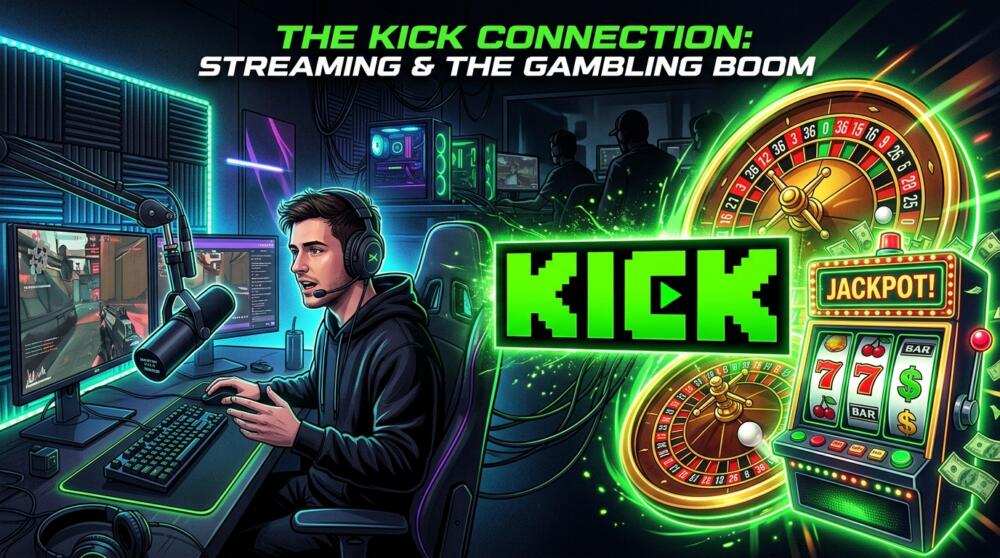
With the rollout of the Kick V2 update and its headline-grabbing 95/5 subscription revenue split, the temptation for creators to ditch Twitch has never been higher.
Yet between aggressive marketing claims and the daily reality of being a content creator, what are the genuine differences in take-home pay, viewership growth, and brand sponsorships?
Here is our comprehensive, unbiased breakdown to help you make the right move for your streaming career.
Twitch vs Kick V2: Full Feature Comparison
Check out the head-to-head breakdown of key features across both streaming platforms:
The Tangible Perks of Streaming on Kick V2
Kick's biggest selling point is unmistakably the cold, hard math.
For an emerging creator maintaining 100 active subscribers, your net monthly take-home on Kick hovers around $475 per month, compared to barely $225 on Twitch.
That revenue gap lets up-and-coming streamers upgrade their production setups (microphones, cameras, capture cards) far more rapidly.
Second major advantage: significantly less suffocating discoverability walls in mid-sized gaming directories.
Where a streamer pulling 15 concurrent viewers gets buried under hundreds of channels on Twitch, that same creator can easily break into the top 10 on a targeted game category on Kick.
Kick's Biggest Hurdles and Drawbacks to Consider
However, Kick is far from a paradise without compromises, and several major hurdles require careful thought.
The first obstacle centers on viewer conversion: Kick's broader audience remains notoriously harder to convert into devoted, long-term community members.
The second stumbling block is brand sponsorships and advertising deals.
Because Kick was co-founded and funded by the minds behind online casino Stake (Bijan Tehrani and Ed Craven), many mainstream consumer brands still hesitate to ink endorsement contracts with Kick creators.
The Winning Playbook: Multi-Platform Simulcasting
Given this dilemma, the smartest roadmap in 2026 is simple: never put all your eggs in one basket.
Following relaxed guidelines around simulcasting, you can broadcast simultaneously across Twitch, Kick, and YouTube.
This hybrid approach lets you capture Twitch's vast organic reach while monetizing subscriptions at Kick's far higher split.
To master this setup, explore our detailed breakdown on multi-platform monetization for streamers.
Twitch: Summary of Strengths and Weaknesses
For a balanced assessment, here is the executive summary of the Amazon-owned livestreaming titan:
Kick V2: Summary of Strengths and Weaknesses
To wrap up the platform experience at a glance, here is the breakdown of Kick's core trade-offs:
Should You Make the Jump to Kick? A Veteran Streamer's Take
My honest advice from years in the streaming trenches: yes, it is tempting to jump in, and you would be missing out if you did not at least test the waters. But keep in mind that going all-in can occasionally backfire.
In my view, there will be distinct trade-offs. You will have to test your own content and evaluate whether the move moves the needle for your business. For some creators, the jump has been phenomenal; for others, results have been distinctly mixed.
Make your choice with eyes wide open: remember that the gambling-backed ecosystem carries baggage, and it definitely is not the right fit for every audience or community tone.
Best of luck with your broadcasts, live content creation is one of the toughest grinds in modern entertainment!

SEO consultant for over 20 years and digital entrepreneur, Charles 'Grimtag' Ronchain is the founder of Pro-Gamer.gg, Retrocharting.com, and Gamescharting.com. A competitive gamer, streamer, and retro game collector, he has worked in the video game industry for over 15 years, notably as a consultant for leading game price comparison platforms. Passionate about real-time performance data and gaming technology, he analyzes competitive esports, gaming hardware benchmarks, and creator workflows on Pro-Gamer.gg with an authentic player perspective.