Qiddiya and EWC 2026: Is Saudi Arabia Buying Up the Entire Global Esports Scene?
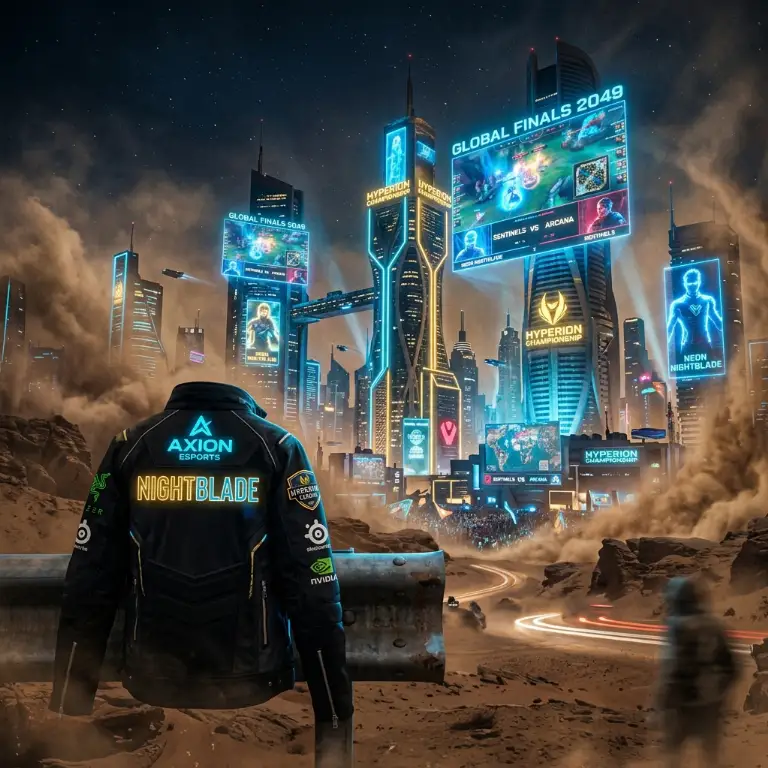
The 2026 competitive esports summer has eyes on only one marquee event: the Esports World Cup (EWC) and its record-shattering $75 million prize pool. Yet behind the dazzling stage lights, the geopolitical reality is vastly more monumental.
The true powerhouse driving this seismic financial shift is located in Riyadh, Saudi Arabia, as the kingdom methodically acquires every critical piece of the global esports puzzle.
Qiddiya: The Futuristic City Built for Gamers
The most striking symbol of this hegemony is the colossal megaproject of Qiddiya. Currently under construction in the Saudi desert outside Riyadh, this entertainment city features an entire district exclusively dedicated to gaming and esports.
The stated ambition is to draw over 10 million visitors annually with breathtaking custom arenas, cutting-edge training facilities, and global headquarters for the world's most prominent esports organizations.
"Esports has been weathering an unprecedented financial winter. For clubs, the decision is no longer ethical, it is strictly binary: take Saudi funding or shut down operations."
, A manager of a European organization competing in the EWC, speaking on condition of anonymity.
Saudi Arabia is doing far more than erecting physical infrastructure. Through its Public Investment Fund (PIF) and Savvy Games Group, the kingdom has systematically acquired keystone pillars of the competitive ecosystem:
- The acquisition of ESL and Faceit for over $1.5 billion.
- Direct funding of premier tournament circuits across multiple flagship titles including Dota 2, CS2, and League of Legends.
- The Club Support Program, distributing direct multi-million dollar annual stipends to 30 elite global organizations.
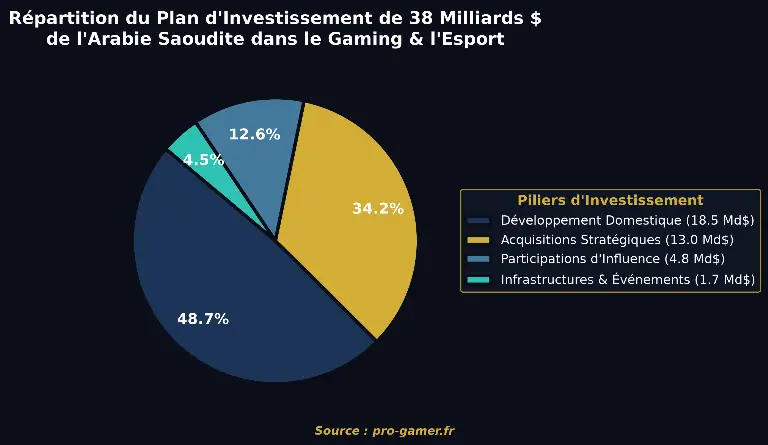
An Unprecedented Lifeline for Struggling Esports Clubs
For Western powerhouses such as Team Vitality, Karmine Corp, and G2 Esports, this flood of Saudi capital is a double-edged sword. Following the burst of the speculative esports bubble, numerous storied organizations found themselves teetering on the brink of insolvency.
Capital channeled through the EWC Club Support Program has served as an indispensable lifeline, enabling organizations to cover pro salaries and plan multi-year roadmaps without existential dread.
This cash infusion also sheds light on the dramatic compensation spikes analyzed in our investigation into the average salary of a pro gamer.
Yet this financial pragmatism collides with fierce moral friction among passionate fan communities. Accusations of "sportswashing" and concerns surrounding human rights records within the kingdom continue to spark enduring debates across social platforms.
Heading Toward an Absolute Monopoly?
By centralizing marquee tournament operations, franchise funding, and futuristic venue construction, Saudi Arabia is cementing a near-monopoly over the competitive gaming industry.
The debate is no longer whether esports should accept this sovereign capital, but rather whether any viable alternative exists to operate independently of this new global power axis.
In 2026, the era of an independent esports landscape appears to have permanently vanished into the history books.
Stay sharp on the business behind the screens, and catch you in the next match,
Grimtag

SEO consultant for over 20 years and digital entrepreneur, Charles 'Grimtag' Ronchain is the founder of Pro-Gamer.gg, Retrocharting.com, and Gamescharting.com. A competitive gamer, streamer, and retro game collector, he has worked in the video game industry for over 15 years, notably as a consultant for leading game price comparison platforms. Passionate about real-time performance data and gaming technology, he analyzes competitive esports, gaming hardware benchmarks, and creator workflows on Pro-Gamer.gg with an authentic player perspective.