Path of Exile Co-Creator Slams "Spreadsheet" Live-Service Games, Urges a Shift Back to Baldur's Gate 3's Model
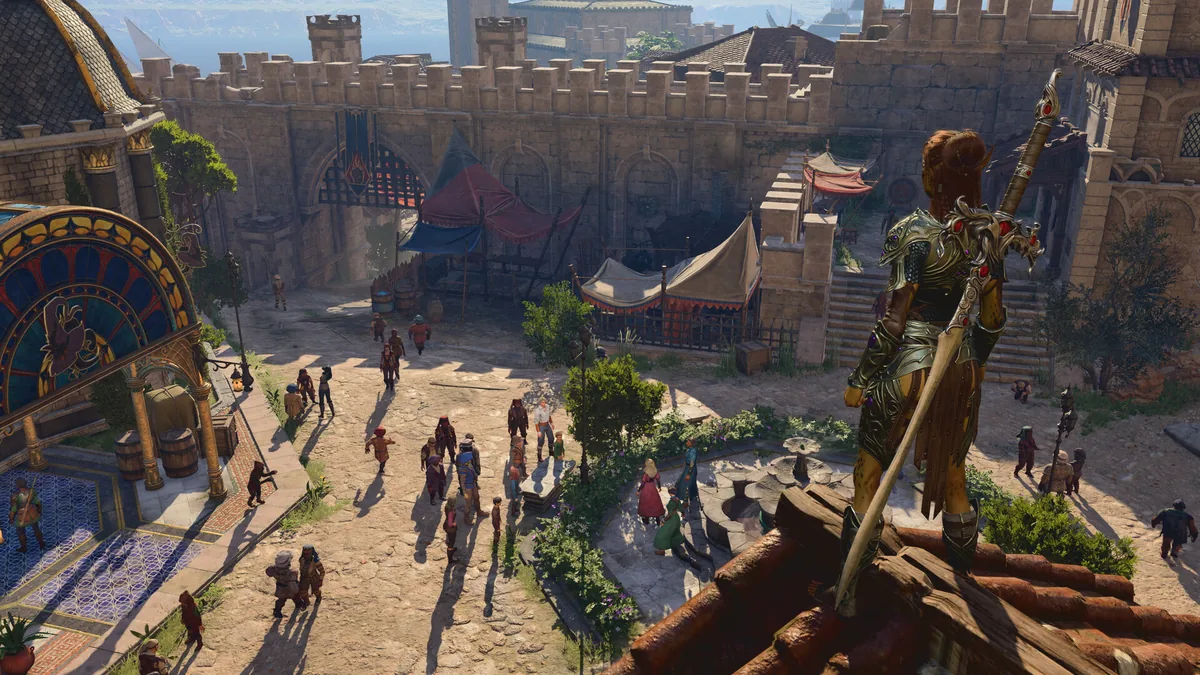
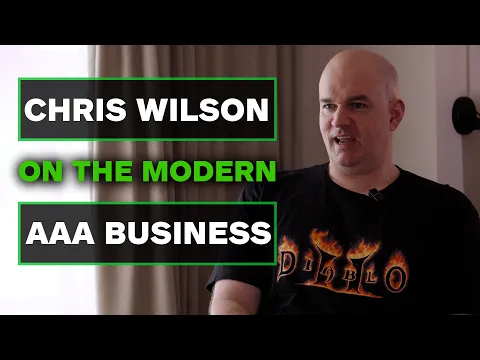
Hearing the co-founder of one of the most successful live-service action RPGs of the past decade tell the games industry to step away from mandatory live-service design carries serious weight. Yet that is exactly the case made by Chris Wilson, co-creator of Path of Exile and former managing director of Grinding Gear Games, during a candid video interview recorded with creator and journalist Destin Legarie at ExileCon 2026 in Auckland, New Zealand.
With studio layoffs still sweeping the sector and Western triple-A budgets pushing past $300 million, Wilson warned bluntly that he "sees catastrophe coming." To chart a healthier path forward, he pointed directly to Larian Studios and Baldur's Gate 3.
Why Chris Wilson Calls Baldur's Gate 3 a "Very True Game"
Asked what sustainable development looks like in a market dominated by bloated projections, Wilson praised Larian's approach as an honest, straightforward transaction between creators and players, free of psychological pressure loops.
"A game like Baldur's Gate 3 is a great example of a very true game. They made it, they had a good extended early access period for getting feedback, but without spoiling the game. And they released it in a sincere way. And then when given the opportunity to do more stuff for it, they said, actually we want to make something else. And there's no manipulation there."
For Wilson, the appeal of returning to self-contained, story-driven releases goes beyond goodwill. He argued that "a shift back to making games like that" is far less complicated operationally and gives studios the freedom to build focused single-player worlds instead of feeding an endless content treadmill. "It doesn't have to be that everything is a live service," he stressed.
Single-Player Games "Contorted" by Financial Spreadsheets
Wilson's critique is nuanced because he does not reject live-service games outright. He noted that Path of Exile thrives as a free-to-play live service precisely because it was architected from day one around a massive player-driven economy. Without those online systems, he admitted, he probably would not have bothered starting the project at all.
What worries the veteran developer, who left day-to-day leadership at Grinding Gear Games and launched indie studio Light Pattern to pursue more focused RPG design, is how publishers now bolt online layers onto games that never needed them. Too many modern releases adopt live-service structures purely "because the spreadsheet says that will make more money."
In those cases, Wilson argued, the core title ends up "contorted out of its single-player true experience" simply to sell cosmetics that players can display to others. Once a company commits a third of a billion dollars to a single release, it has to plan for a billion dollars in return, a math equation that routinely leads publishers to "squeeze the gamer" with aggressive monetization.
The Triple-A Budget Trap and the Case for "Light Patterns"
Throughout the conversation, Wilson outlined the chain reaction triggered by runaway production costs. Massive teams often lead directly to layoffs once a game ships without an immediate follow-up project, while projects that fall short of aggressive revenue forecasts face sudden cancellations. Chasing half-billion-dollar budgets also pressures studios into designing for everyone at once rather than serving a clear audience well.
Even as Grinding Gear Games pushes ahead with its flagship sequel, where game director Jonathan Rogers recently discussed the live-service hurdles of a Path of Exile 2 Switch 2 port, Wilson's own philosophy leans toward what he calls "light patterns": clear communication, player-friendly refund policies, and gameplay that respects a player's real-life schedule instead of weaponizing FOMO.
My Field Notes
Tracking industry chatter late into the night, few quotes hit harder than a live-service pioneer calling out the spreadsheet mindset behind modern triple-A flops. What stands out to me is how grounded Wilson's argument is: live-service design works when the core fantasy actually depends on a shared economy, as Path of Exile proved for over a decade. The trouble starts when publishers treat live-service features as a financial template to slap onto single-player stories. Players in 2026 spot contrived retention hooks almost instantly, and Larian's runaway success with Baldur's Gate 3 remains the clearest reminder that shipping a complete, honest game is still the strongest long-term business strategy in gaming.
Baldur’s Gate 3
Explore official trailers, technical specs and all latest coverage for Baldur’s Gate 3.

Originally from Lyon, France, gaming journalist Bastien "Orion" relocated nearly a decade ago to Quebec City's Saint-Roch district, right in the heart of eastern Canada's development studio hub. Before crossing the Atlantic, he honed his versatile reporting style across classic French gaming web portals and specialist television outlets in the 2000s and 2010s, notably with JeuxVideo.fr and JeuxNews. Equally passionate about AAA blockbusters, North American studio culture, retro preservation, and community modding projects, he anchors Pro-Gamer's transatlantic desk and real-time coverage of US and Japanese industry announcements.