Feared Too 'Grotesque' for Sale in 1996: How a Sony Warning Sticker Saved Shinji Mikami's Original Resident Evil
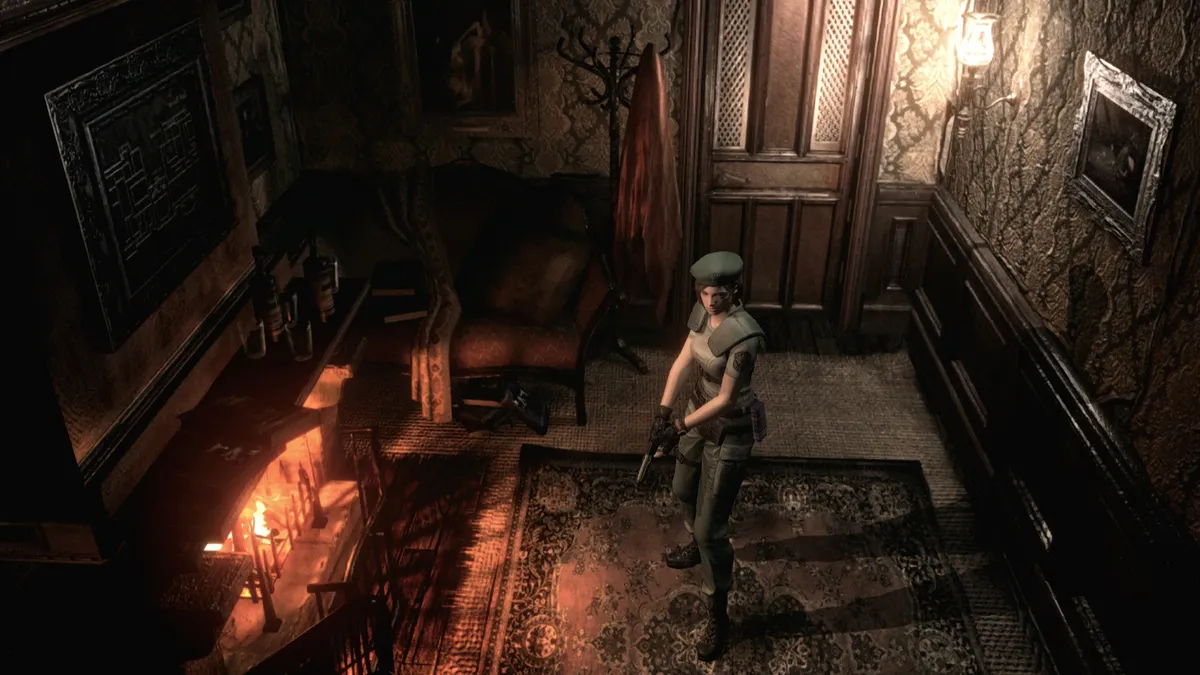
Measured against the photorealistic dismemberment and brut gore of modern horror blockbusters, the blocky polygons and pixelated blood splatters of 1996's original Resident Evil almost look quaint today. Back in the spring of 1996, however, the mood inside Capcom was far more anxious: series creator Shinji Mikami has revealed that the studio genuinely feared the survival horror pioneer would be barred from retail sale for being far too "grotesque," before a practical intervention from Sony Computer Entertainment rescued its PlayStation launch.
Uncharted Gore on Home Consoles Six Years Before Japan's CERO Board
Appearing on Episode #136 of TV Asahi's Japanese interview program Arco & Peace's Cultural Figures Are the Craziest (Produced by Shikujiri Sensei) to reflect on the franchise's 30th anniversary, Mikami pulled back the curtain on the tense final stretch of Biohazard's development. When his team was building the claustrophobic halls of the Spencer Mansion between 1994 and 1996, home console gaming had rarely confronted players with such direct bodily horror.
Right from the famous live-action opening sequence (which Mikami noted was produced on a remarkably tight total budget of roughly 20 million yen covering filming, visual effects, music, and voice acting), the game set an uncompromising tone as Cerberus dogs mauled STARS member Joseph Frost in the woods outside Raccoon City. Minutes later, the iconic first zombie turning its bloodied head over Kenneth J. Sullivan's corpse pushed console imagery into uncharted territory.
Crucially, when the game was preparing to ship in March 1996, Japan's CERO (Computer Entertainment Rating Organization) did not yet exist, as the ratings board was not established until June 2002. Without an industry-wide age rating framework to shield mature console releases in Japan, Capcom executives worried that retailers and regulators would simply refuse to stock a title deemed excessively gruesome.

The Sony Packaging Sticker That Birthed Survival Horror's Most Iconic Warning
Unsure how to get the project across the finish line intact, Capcom found its lifeline through the platform holder itself. As Shinji Mikami explained during the broadcast, Sony Computer Entertainment proposed a straightforward solution: place a prominent warning sticker directly on the PlayStation jewel case alerting buyers that the disc contained "grotesque scenes" and graphic violence.
"We were worried that the original Resident Evil game would not be allowed to go on sale because it was too grotesque. We did not know what to do, but Sony said that if we put a sticker on the game warning about the grotesque scenes, then it would be okay to be released. That really saved us."
With that cautionary label affixed to the box, Biohazard hit Japanese store shelves on March 22, 1996, igniting a global survival horror boom. Even better, that last-minute packaging compromise evolved into one of gaming's most famous signatures: starting with the 1997 Director's Cut and 1998's Resident Evil 2, Capcom baked the warning directly into the boot sequence with the immortal words: "This game contains scenes of explicit violence and gore."
From PlayStation Box Stickers to 'Grotesque Versions' and Mikami's Next Chapter
Three decades on, the contrast is striking. Where low-resolution blood sprites once risked keeping the original game off store shelves in 1996, hyper-detailed RE Engine gore is now a flagship selling point in Resident Evil Requiem, while the series celebrates three decades of terror with strict 18+ Resident Evil 30th Anniversary orchestral concerts across Europe and North America.
In Japan, the eventual creation of CERO in 2002 even formalized the exact phrasing from Mikami's anecdote: since Resident Evil 7, Capcom has routinely released two separate editions domestically, pairing a censored CERO D (17+) version with an adults-only CERO Z (18+) "Grotesque Version." As for the creator himself, after pushing brut horror even further with The Evil Within at Tango Gameworks, Shinji Mikami's independent studio Unbound Games is preparing to launch a smaller debut title in mid-2027 ahead of its full-scale Unreal Engine 5 AAA project.
My Take
Hearing Shinji Mikami look back at 1996 highlights just how pivotal Sony's attitude was in maturing the PlayStation library. Instead of forcing Capcom to sanitize the Spencer Mansion or cut the iconic zombie turnaround scene, Sony treated adult players like adults by solving the problem with a clear front-of-box warning sticker. What started as an emergency retail workaround ended up giving the franchise its legendary opening disclaimer and preserving survival horror history. Grimtag

SEO consultant for over 20 years and digital entrepreneur, Charles "Grimtag" is the founder of Pro-Gamer.gg, Retrocharting.com, and Gamescharting.com. A competitive gamer, streamer, and retro game collector, he has worked in the video game industry for over 15 years, notably as a consultant for leading game price comparison platforms. Passionate about real-time performance data and gaming technology, he analyzes competitive esports, gaming hardware benchmarks, and creator workflows on Pro-Gamer.gg with an authentic player perspective.