€30 on Gaming Laptops and €24 on Desktops: France Moves to Extend Private Copy Levy to PCs in 2027
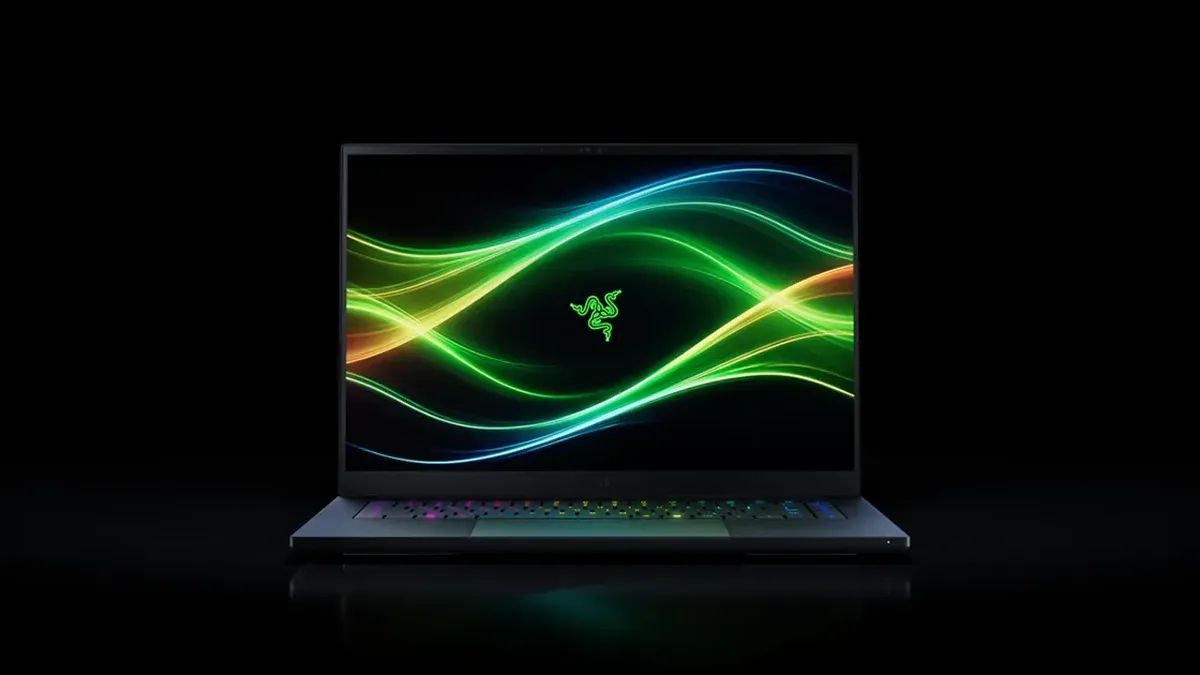
Just days after French lawmakers sparked an uproar with an amendment seeking to tax game downloads and streaming by the gigabyte, a new regulatory push is targeting PC hardware buyers in France. According to working documents revealed by French investigative outlet L'Informé on November 5, 2026, cultural rightsholder organizations are lobbying the Private Copy Remuneration Commission to extend the country's private copy levy to personal computers starting in 2027. Under the latest proposed schedule, every new laptop sold in France would carry a flat €30 TTC surcharge, while new desktop PCs would be hit with a €24 TTC fee.
A First-Ever Flat Levy on Laptops and Desktop PCs for 2027
Established more than four decades ago to compensate authors, musicians, and producers for legal private copying of media by consumers, France's private copy levy currently applies to smartphones, tablets, external hard drives, USB flash drives, and set-top boxes. Computers had historically remained exempt from the scheme. In their newest submission to the regulatory commission, collective management organizations led by Copie France are pushing to end that exemption and bring both laptops and desktop towers into the tax net.
Unlike smartphones, where the levy scales according to internal storage tiers, the proposed fee for computers is a flat rate regardless of SSD capacity:
- New laptop or tablet PC: €30 TTC (tax included)
- New desktop PC: €24 TTC
- Used or refurbished laptop: €3.60 TTC
- Used or refurbished desktop PC: €3.00 TTC
Because the proposed computer schedule ignores storage size, an entry-level 256 GB office notebook would be subject to the exact same €30 surcharge as a high-end gaming laptop equipped with a 2 TB or 4 TB NVMe SSD. While the levy is formally collected from manufacturers and importers at the wholesale level, the French Ministry of Culture explicitly notes that the fee is passed directly onto retail prices paid by end users.
512 GB+ Smartphones and Tablets Face 43% to 57% Increases
Alongside the expansion to personal computers, rightsholders are seeking sharp increases on high-capacity new mobile devices favored by mobile gamers. For a new smartphone with more than 512 GB of internal storage, the private copy levy would rise from €16.80 to €24 TTC, representing a 43% increase. New tablets exceeding 512 GB of storage would see an even steeper jump of 57%, climbing from €16.80 to €26.40 TTC.
To defuse fierce criticism from the circular economy sector following earlier drafts in spring 2026, rightsholders have simultaneously proposed slashing the tariff on refurbished electronics. A refurbished smartphone with over 512 GB of storage would drop from €10.08 down to €2.76 TTC. Even with that concession on second-hand hardware, the overarching financial target remains massive: backed by updated usage studies that factor in cloud storage and cloud-synced copies, rightsholders aim to boost annual collections by €100 million, pushing total yearly revenue to roughly €350 million compared to around €250 million today.
Before taking effect in 2027, the schedule must be debated and voted on by the Private Copy Remuneration Commission. However, the 24-seat body's composition gives rightsholders tremendous leverage, as they hold 12 seats alongside 6 representatives for hardware manufacturers and 6 for consumer advocacy groups. At a time when PC component price gaps between the US and European markets are already straining builders' budgets, hardware retailers and consumer groups are bracing for a heated vote.
My Take: Taxing a Gaming PC Like a Blank Cassette in 2027 Is Pure Fiscal Anachronism
As a PC builder and hardware tester, watching Copie France demand €30 on a gaming laptop and €24 on a desktop tower in 2027 feels completely detached from how modern computers actually work. When a gamer buys a 2 TB or 4 TB NVMe drive today, it is not to rip MP3 collections or hoard private movie recordings; it is because a single modern AAA release on Steam or PC Game Pass easily consumes 120 GB to 200 GB of DRM-locked game assets. Using cloud synchronization as a pretext to slap a flat fee onto general-purpose computers, inside a commission where the beneficiaries hold half the voting seats, turns a 1980s cultural compensation mechanism into an automatic surcharge on every computer buyer and player.

PC hardware enthusiast and competitive gamer, Arthur 'Heimdall' splits his time between France and the UK working in enterprise B2B software solutions. A business school graduate passionate about component benchmarking, he has been building, modding, and tuning PCs since childhood, optimizing every thermal degree and millisecond of display latency. An avid gamer across Assassin's Creed and sandbox titles, he forged his alliance with Grimtag and Chaya during late-night World of Warcraft raids before joining Pro-Gamer.