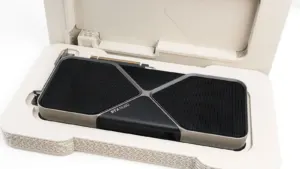
RTX 5070 Ti at $1,700 vs. RX 9070 XT at $920: How AMD Outsold Nvidia on Amazon US for the First Time Ever
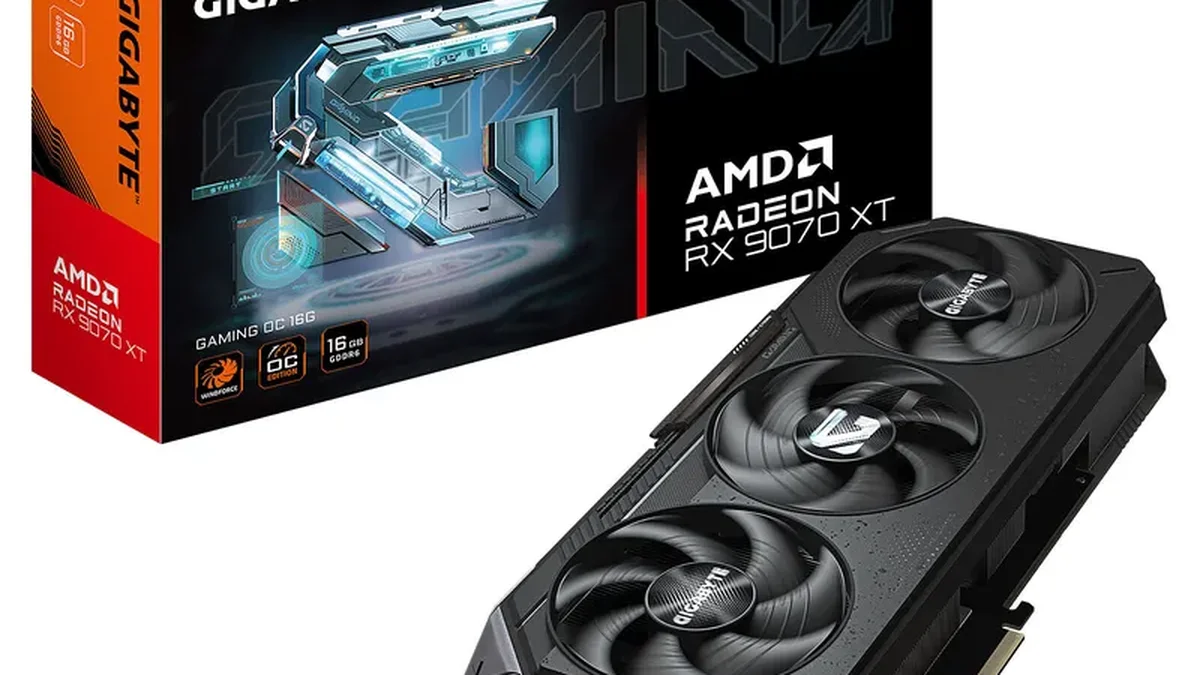
A historic shift has just taken place at the world's largest PC hardware storefront. For the first time since retail tracking began on Amazon US, AMD Radeon desktop graphics cards have officially overtaken Nvidia GeForce GPUs in total unit sales. Curated by hardware market analyst TechEpiphany, the latest retail sales data exposes the direct fallout of the artificial intelligence boom: as Nvidia diverts silicon toward enterprise data centers and consumer GeForce RTX 50 prices skyrocket, DIY PC builders are voting with their wallets in favor of Team Red.
How Team Red Flipped the US Retail GPU Market
While AMD has frequently captured over 50% of weekly GPU unit volume at specialized European retailers such as Germany's Mindfactory, the North American retail landscape on Amazon US has historically remained an impenetrable stronghold for Nvidia. Back in July 2026, GeForce cards still commanded roughly 57% of unit sales on the platform before slipping to 47.8% in August as supply constraints tightened.
Crossing past Nvidia in total unit volume this November is all the more striking considering AMD intentionally skipped the ultra-enthusiast flagship tier with its RDNA 4 generation. Although overall unit sales across the DIY gaming PC sector have contracted due to widespread component inflation, total GPU revenue on Amazon US has surged on the back of sharply higher average selling prices.
$1,700 RTX 5070 Ti vs. $920 RX 9070 XT: The Price Gap Driving Buyers Away
The primary catalyst behind Nvidia's unit volume drop is a deliberate shift in wafer allocation. By prioritizing high-margin AI accelerators for enterprise clients, Nvidia has reportedly scaled back consumer Blackwell production and halted or severely restricted shipments of the flagship GeForce RTX 5090 and RTX 5080.
That supply squeeze has triggered severe price inflation across the entire mainstream and upper-midrange GeForce stack on Amazon US:
- GeForce RTX 5060 Ti (16GB): Launched in April 2025 at a $429 MSRP, the 16GB variant now retails for well above $700 on Amazon US, reflecting a price surge of more than 63% that has similarly hit the standard RTX 5060 and RTX 5070.
- GeForce RTX 5070 Ti (16GB): Most custom partner models currently listed on Amazon US have climbed past the $1,700 mark.
- AMD Radeon RX 9070 XT (16GB): Even though AMD also implemented an autumn price increase across its Radeon RX 9000 lineup and GDDR6 memory, its top RDNA 4 card remains available starting at $920 on Amazon US.
Confronted with a nearly $800 retail premium for an RTX 5070 Ti over its direct 16GB Radeon rival, mainstream and enthusiast gamers alike have pivoted heavily toward the Navi 48-powered RX 9070 XT and RX 9060 XT.
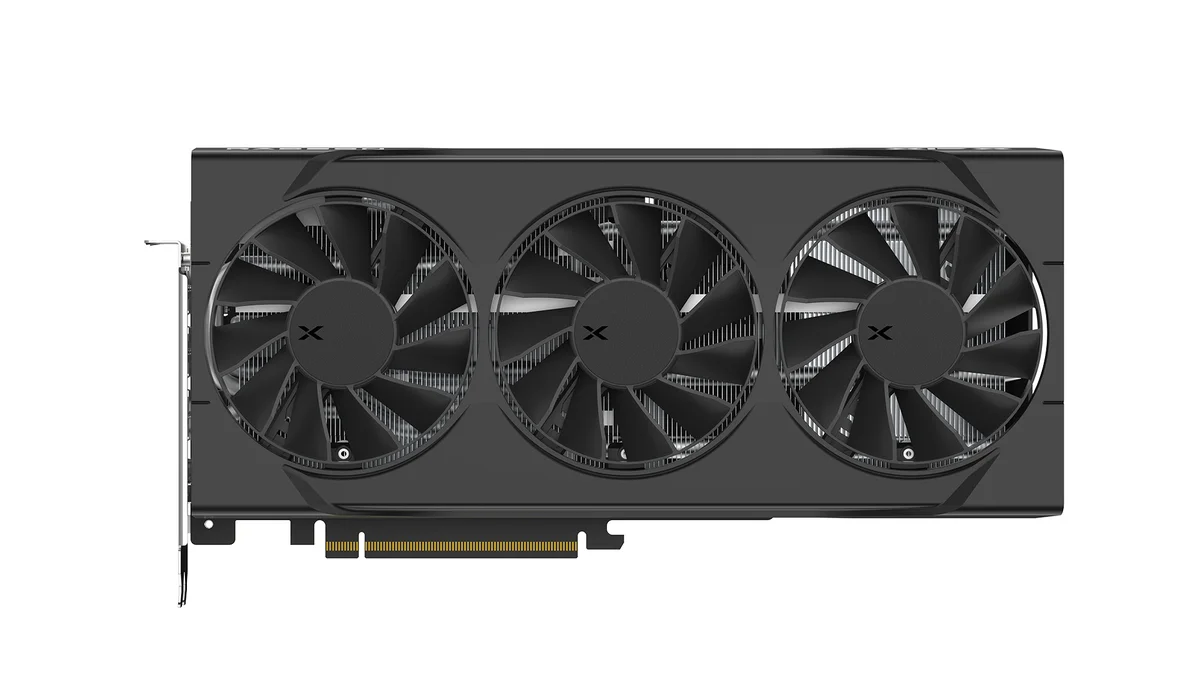
AMD Radeon RX 9070 XT (16GB GDDR6)
- AMD RDNA 4 Architecture (Navi 48)
- 16GB GDDR6 Memory on 256-bit Bus
- Full Support for AMD FSR 4 & AFMF 3
- Best-in-Class 1440p and 4K Value
Software Momentum and What Lies Ahead for DIY Builders
Beyond raw street pricing, AMD's retail surge is also supported by a maturing software stack. The rollout of FSR 4 alongside recent driver additions such as AMD Fluid Motion Frames 3 (AFMF 3) in Adrenalin 26.10.2 has narrowed the feature gap that previously convinced buyers to pay a steep premium for GeForce hardware.
Whether AMD can hold onto the unit volume crown heading into 2027 will depend on foundry allocations and memory supply. Unless a slowdown in enterprise AI infrastructure spending forces both chipmakers to redirect wafer capacity back toward gaming hardware, DIY desktop builders will likely continue facing elevated retail pricing well into next year.
My Take on the Spec Sheet
Watching AMD outsell Nvidia in unit volume on Amazon US without even fielding a direct competitor to the RTX 5080 or RTX 5090 speaks volumes about the current state of the PC hardware market. RDNA 4 is an efficient, well-balanced architecture, but this milestone is first and foremost a direct buyer revolt against absurd Blackwell street pricing. Paying over $1,700 for an RTX 5070 Ti or more than $700 for an RTX 5060 Ti 16GB makes zero engineering or financial sense when a 16GB Radeon RX 9070 XT delivers comparable 1440p and 4K rasterization performance for nearly half the price. Until Nvidia stops treating desktop gamers as an afterthought to data center margins, Team Red thoroughly deserves the top spot on the sales charts. We have not yet had a physical unit on our desk—if the manufacturer's team would like to send over a review sample so we can put it through our full real-world testing protocol, our lab doors are wide open.

PC hardware enthusiast and competitive gamer, Arthur 'Heimdall' splits his time between France and the UK working in enterprise B2B software solutions. A business school graduate passionate about component benchmarking, he has been building, modding, and tuning PCs since childhood, optimizing every thermal degree and millisecond of display latency. An avid gamer across Assassin's Creed and sandbox titles, he forged his alliance with Grimtag and Chaya during late-night World of Warcraft raids before joining Pro-Gamer.