Up to $104 Higher in October and Another Hike Set for November: Why AMD Is Raising Radeon GPU and GDDR6 Prices Again
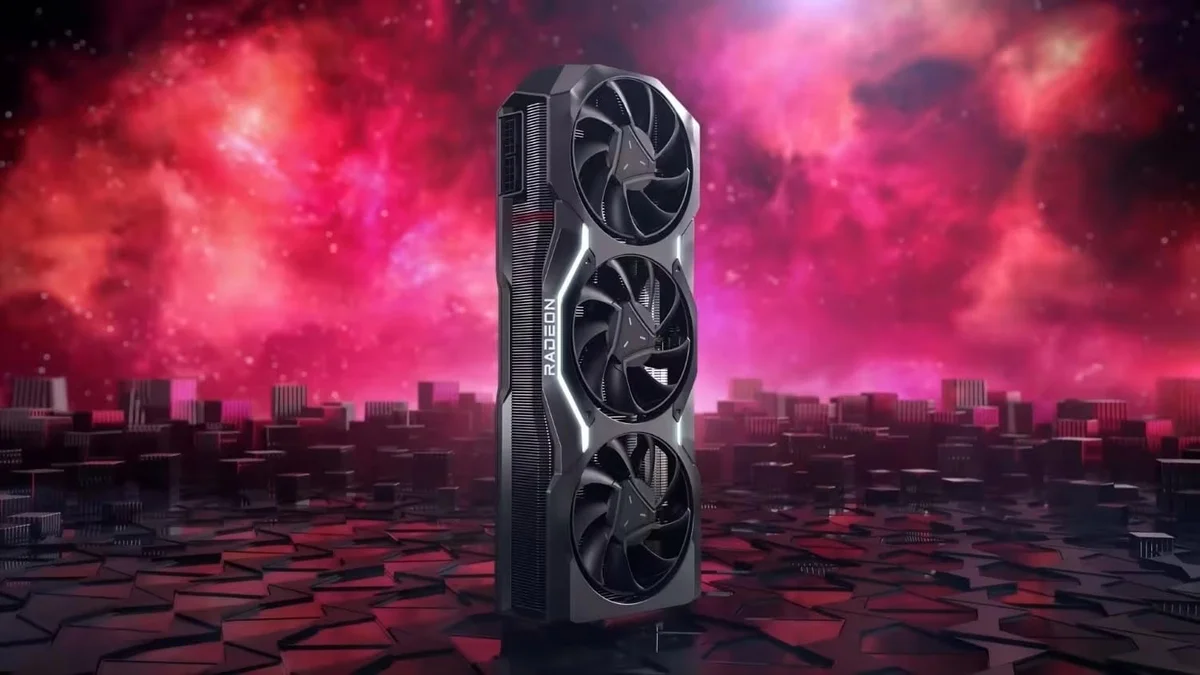
Any hope for a late-autumn reprieve in PC component pricing is rapidly fading. Barely a month after implementing an initial supply price hike on October 1, AMD is reportedly preparing another price increase for both its Radeon GPU dies and GDDR6 memory kits in November. Originating from Asian supply-chain insiders on the Board Channels forum, this back-to-back adjustment puts add-in-board (AIB) partners under mounting cost pressure across the entire Radeon RX 9000 lineup.
Quarterly Pricing Reviews Driven by an 8% to 10% GDDR6 Surge
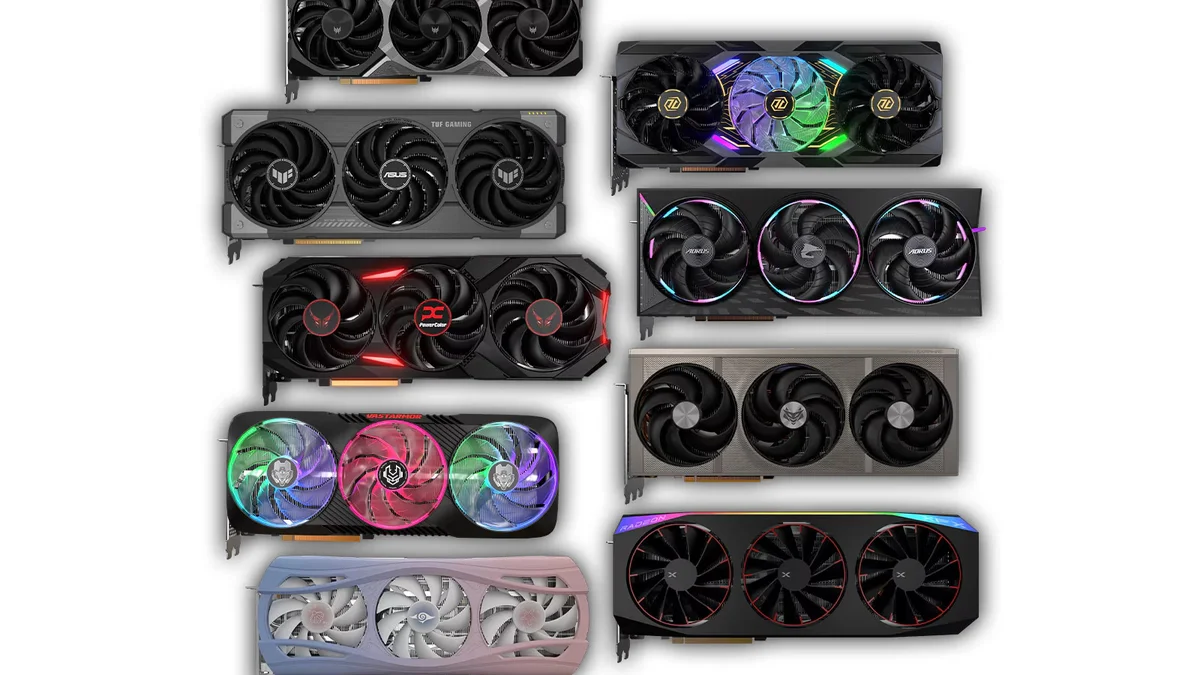
Historically, wholesale component pricing for board partners (including Sapphire, PowerColor, XFX, ASRock, ASUS, and Gigabyte) remained stable across longer production cycles. However, relentless AI data center demand for DRAM and wafer capacity has prompted AMD to shift toward strict quarterly and month-to-month cost evaluations to offset climbing manufacturing expenses.
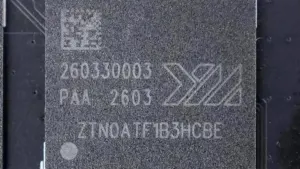
Rather than shipping graphics processors alone, AMD supplies its AIB partners with a bundled package combining the TSMC-built GPU silicon and its accompanying GDDR6 memory modules. Board makers then supply their own printed circuit board (PCB), surface-mount device (SMD) power delivery components, and cooling assembly. Throughout the third quarter, GDDR6 memory contract prices climbed by 8% to 10%, compounding an earlier 10% GPU kit increase in July and a September adjustment tied to higher TSMC wafer rates.
Following the GDDR6 supply price bump that took effect on October 1, AMD has reportedly notified partners to brace for another upward revision on GPU and memory bundles in November. This memory crunch extends well beyond Radeon cards: Intel also raised GDDR6 supply costs for its board partners, a trend reflected in the steep €1,799 European retail listings for ASUS's 32GB Intel Arc Pro B70.
Radeon RX 9070 and RX 9060 XT: Up to $104 Higher Before November Even Hits
While GDDR6 memory powers four generations of AMD graphics cards (Radeon RX 5000, RX 6000, RX 7000, and RX 9000), the wind-down of older RDNA 2 and RDNA 3 production means the current RDNA 4 lineup absorbs the brunt of the increases. And with next-generation AMD RDNA 5 graphics cards not expected before Computex 2027, the Radeon RX 9000 family will carry AMD's desktop gaming portfolio for months to come.
Fourth-quarter suggested retail price adjustments shared with Asian distributors already show steep jumps enacted ahead of the upcoming November revision:
- Radeon RX 9070 (16GB): Up by 700 CNY (+12.5%, or roughly +$104 USD), bringing its suggested price to 6,299 CNY (~$939 USD).
- Radeon RX 9060 XT 16GB: Up by 600 CNY (+14%, or roughly +$89 USD), reaching 4,899 CNY (~$731 USD).
- Radeon RX 9060 XT 8GB: Up by 300 CNY (+10%, or roughly +$45 USD), climbing to 3,390 CNY (~$506 USD).
- Radeon RX 9070 GRE and RX 7650 GRE: Up by 400 CNY each (+9% and +15%, or roughly +$60 USD), moving to 4,999 CNY (~$746 USD) and 2,999 CNY (~$447 USD) respectively.
- Radeon RX 9070 XT (16GB): Stands out as a temporary anomaly with its suggested price left unchanged at 6,999 CNY (~$1,044 USD), though Western street prices have already climbed to $831 in the US and £759.99 in the UK compared to its $599 launch MSRP.
Check Availability of AMD Radeon RX 9070 XT Graphics Cards on Amazon→
How Quickly Will Retail Storefronts Feel the November Hike?
In North America and Europe, an upstream component hike billed to AIB factories in November does not translate into an overnight price jump at every retailer. Existing distributor inventory purchased under Q3 agreements provides a temporary buffer on certain SKUs.
However, rising PCB, power-stage, and bundled GPU + GDDR6 costs leave board partners with razor-thin margins. Once holiday restocks arrive under November wholesale terms, 16GB VRAM cards will be the first to reflect the added expense. On the rival camp's side, NVIDIA has not issued a new GDDR7 memory price hike since its July adjustment, though retail listings for the GeForce RTX 5070 (12GB) and RTX 5070 Ti (16GB) already hover around $799 and $1,179 respectively.
Check Availability of AMD Radeon RX 9060 XT Graphics Cards on Amazon→
My Take on the Spec Sheet
Looking closely at the current pricing structure reveals a striking paradox: because mid-tier models absorbed the steepest adjustments (+$104 on the non-XT RX 9070 and +$89 on the 16GB RX 9060 XT), the price gap between the standard Radeon RX 9070 and the full-fat Radeon RX 9070 XT has shrunk to roughly 10% on updated distributor sheets. At that narrow delta, buying a non-XT RX 9070 makes very little hardware sense when the XT delivers substantially higher rasterization and ray-tracing throughput with the exact same 16GB GDDR6 buffer. We have not yet had a physical unit on our desk—if the manufacturer's team would like to send over a review sample so we can put it through our full real-world testing protocol, our lab doors are wide open.
If you are planning a 1440p gaming PC build or GPU upgrade this winter, waiting for deep Black Friday discounts on newly restocked November batches is a risky bet. While retailers still hold autumn inventory of the Radeon RX 9070 XT or RX 9070 GRE at pre-hike rates, locking in a card from existing stock is far safer than waiting for November's wholesale memory bump to trickle down to store shelves.

PC hardware enthusiast and competitive gamer, Arthur 'Heimdall' splits his time between France and the UK working in enterprise B2B software solutions. A business school graduate passionate about component benchmarking, he has been building, modding, and tuning PCs since childhood, optimizing every thermal degree and millisecond of display latency. An avid gamer across Assassin's Creed and sandbox titles, he forged his alliance with Grimtag and Chaya during late-night World of Warcraft raids before joining Pro-Gamer.