Sony Cedes 419 XR Patents to Meta: The Decisive Retreat from PlayStation VR Hardware
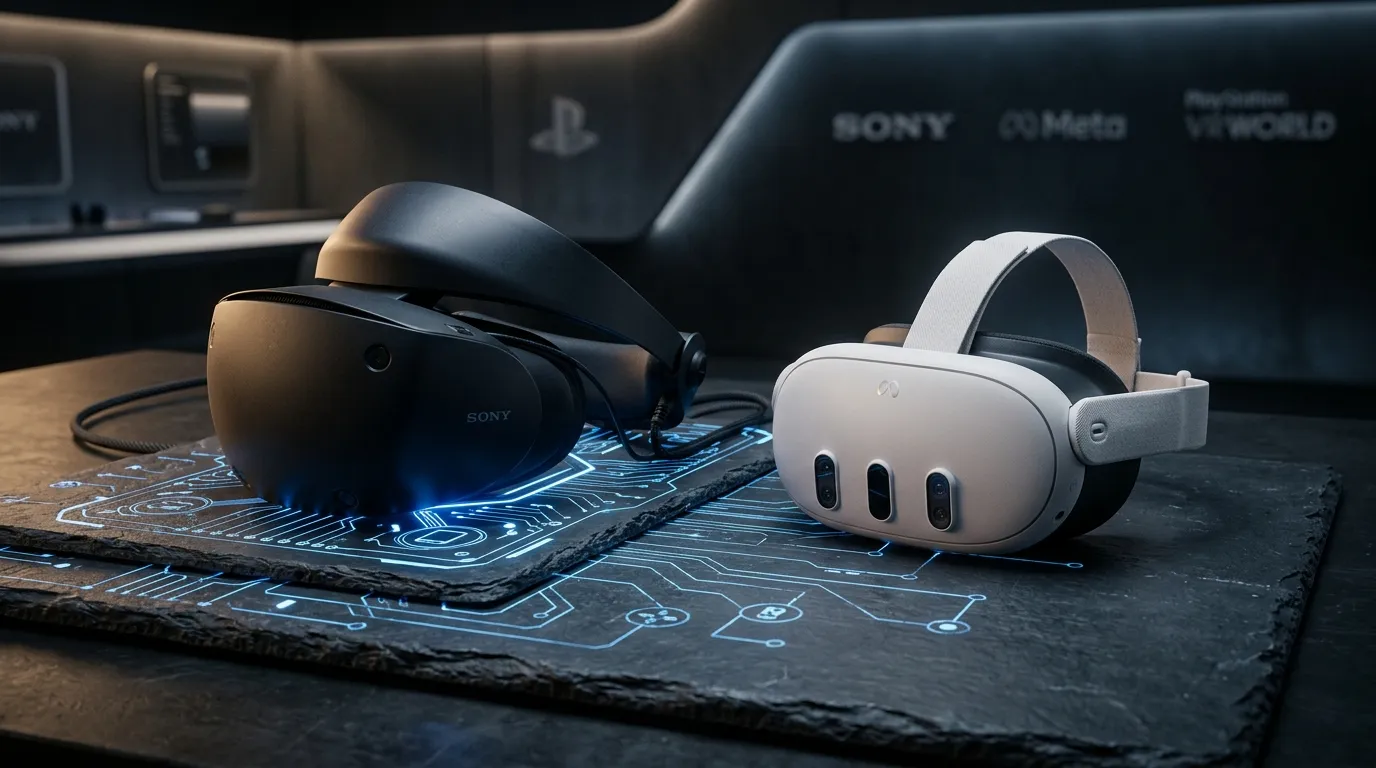
The extended reality landscape has just witnessed a seismic corporate transfer. Official filings registered with the United States Patent and Trademark Office (USPTO) reveal that Sony has quietly assigned a massive portfolio of VR and AR intellectual property to Meta Platforms.
This strategic move confirms long-standing industry suspicions, demonstrating that the Japanese electronics giant is pulling back from proprietary XR hardware development to focus resources elsewhere.
A Global Portfolio of 419 Patents Reassigned to Meta
Legal records indicate that a formal Confirmatory Assignment agreement was executed between Sony Group Corporation and Meta Platforms Inc., carrying an effective date of December 17, 2025. In total, the agreement encompasses 419 patents and pending applications across the globe.
The portfolio includes 180 patents filed in the United States alongside 239 international filings across Japan, China, South Korea, and Europe. Between June and September 2026, an initial batch of 43 key US patent properties was formally recorded under Meta ownership at the USPTO.
Filed between 2010 and 2022, these assets cover critical hardware foundations, including head-mounted display (HMD) chassis design, optical lenses, XR smart glasses, image processing pipelines, and spatial tracking for virtual objects. Notably, these assets were held by the parent entity Sony Group Corporation rather than Sony Interactive Entertainment alone, indicating a corporation-wide realignment away from immersive display technology.
PlayStation VR2: The Final Chapter for Standalone Sony VR
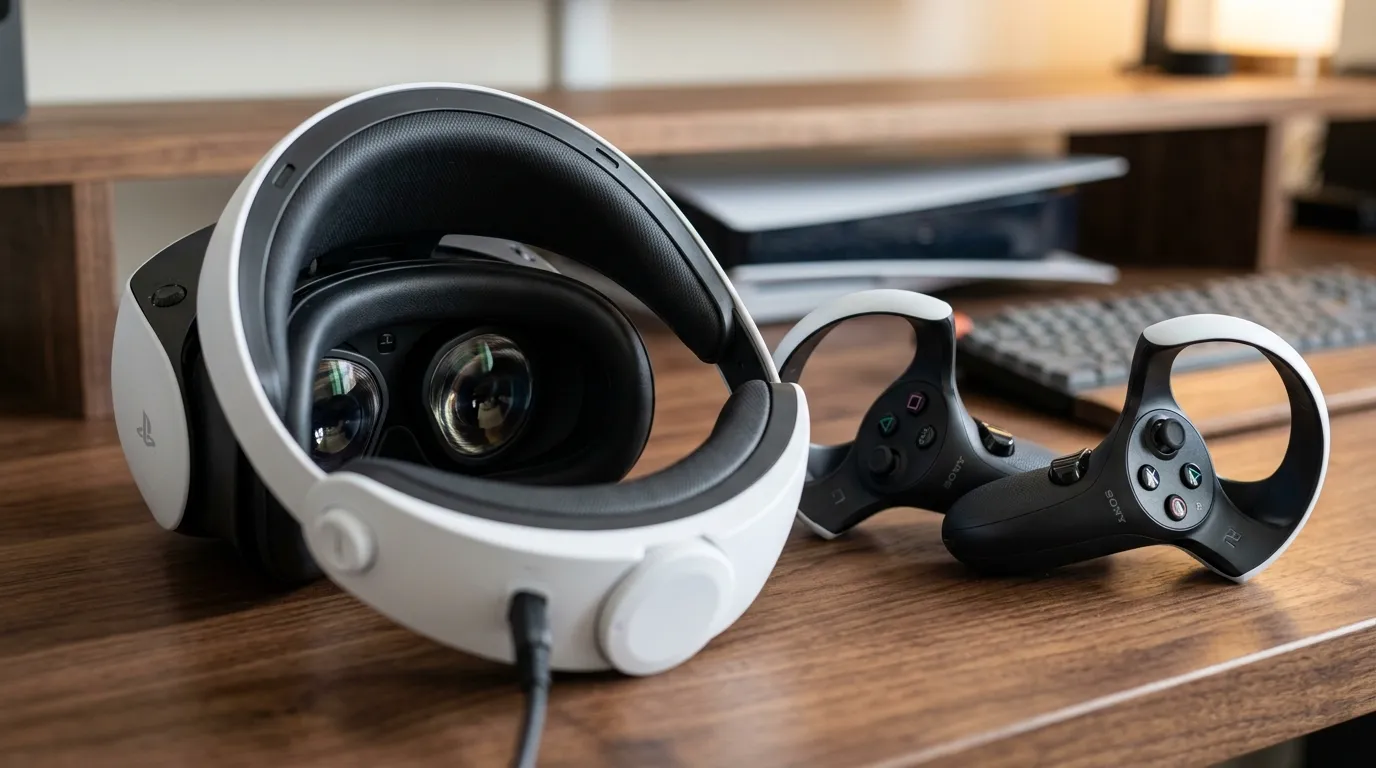
For PlayStation enthusiasts and current PSVR2 owners, this divestment signals the effective end of hardware continuation. Released in early 2023 at a premium $550 price point, PlayStation VR2 struggled to capture mainstream adoption due to a lack of dedicated first-party game support.
The closure of London Studio in 2024, paired with the subsequent release of a PC adapter intended to clear warehouse inventory, pointed toward a quiet exit. By selling over a decade of core XR innovations to Meta, Sony has effectively closed the door on any potential next-generation PSVR3 headset, redirecting engineering efforts toward safer gaming accessories such as the PlayStation Portal ecosystem.
Meta Fortifies Its Dominance Against Apple and Google
For Mark Zuckerberg and Meta, securing this patent portfolio provides an immense technological and legal fortress. Meta directly strengthens the architectural roadmap of its Quest 3 and Quest 3S lineup, the expansion of Horizon OS to third parties, and the upcoming commercialization of its Orion AR smart glasses.
With Apple pushing its spatial computing vision via Vision Pro and Google preparing a unified Android XR ecosystem with Samsung, Meta gains battle-tested optical and tracking patents honed by Sony through consumer gaming trials.
Sony Doubles Down on Traditional Blockbusters and PC
By liquidating its XR patent reserve, Sony formally winds down the experimental hardware cycle that began in 2016 with the original PSVR on PlayStation 4. The company's gaming division is now centered squarely on maximizing returns from the PlayStation 5, PlayStation 5 Pro, high-end PC ports, and premium single-player narrative titles.
Rather than burning billions on consumer VR adoption hurdles, Sony is letting Meta shoulder the burden of mainstreaming headsets while maintaining its own dominance in core gaming entertainment.

SEO consultant for over 20 years and digital entrepreneur, Charles 'Grimtag' Ronchain is the founder of Pro-Gamer.gg, Retrocharting.com, and Gamescharting.com. A competitive gamer, streamer, and retro game collector, he has worked in the video game industry for over 15 years, notably as a consultant for leading game price comparison platforms. Passionate about real-time performance data and gaming technology, he analyzes competitive esports, gaming hardware benchmarks, and creator workflows on Pro-Gamer.gg with an authentic player perspective.