Zero P-Cores, 6W TDP, and 18A Silicon: How Intel Moon Lake CPUs Target Sub-$400 Laptops and Mini PCs
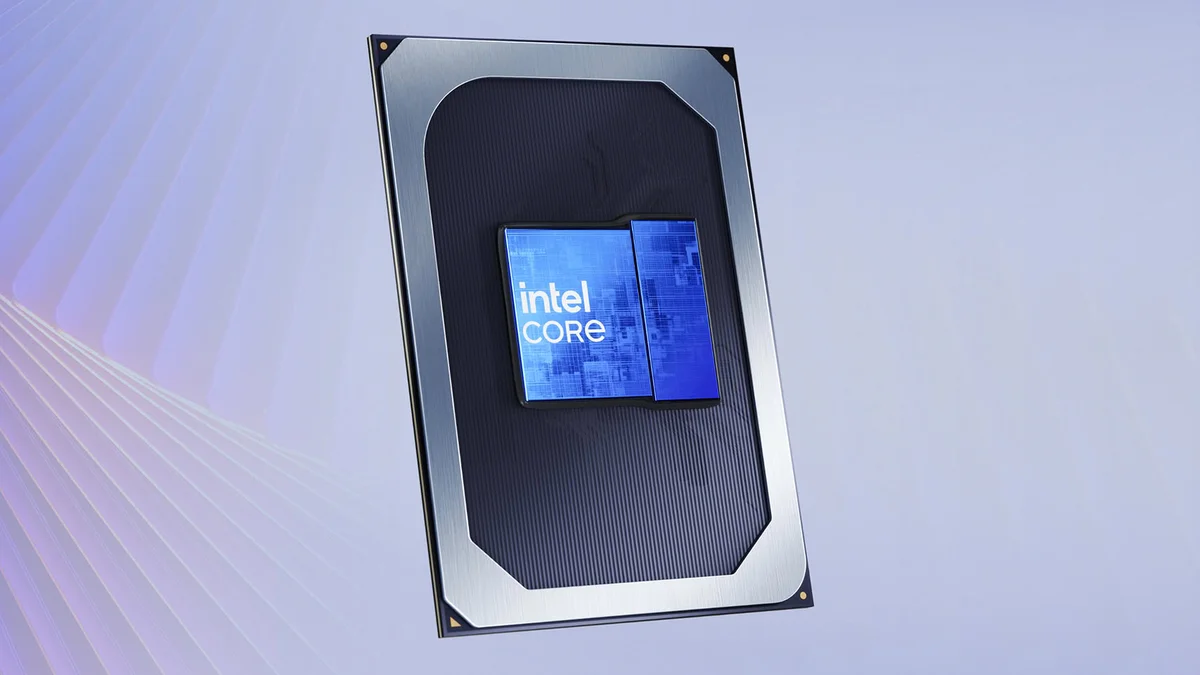
While flagship desktop processors drawing over 100W grab most of the headlines, the fiercest battle for PC market volume happens at the ultra-low-power end of the thermal spectrum. According to hardware specifications shared on X by reliable hardware leaker Jaykihn, Intel is readying a new entry-level mobile processor family codenamed Moon Lake (internally designated MNL), alongside a mid-cycle Wildcat Lake Refresh. Moon Lake stands out for a radical architectural choice: stripping out Performance cores (P-Cores) entirely to rely strictly on up to four Darkmont Low-Power Efficient (LPE) cores built on the flagship Intel 18A process node, starting at a baseline TDP of just 6W.
Four Darkmont LPE Cores and Zero P-Cores on Intel 18A
Since the rollout of Alder Lake-N in early 2023 and its Twin Lake refresh in early 2025, Intel has served the budget laptop, Chromebook, and mini-PC market using monolithic chips equipped purely with Gracemont E-cores (up to 8 cores operating between 9W and 15W). With Moon Lake, the chipmaker transitions its entry-level silicon to a modern disaggregated tile architecture.
Instead of packing eight older-generation E-cores onto a legacy node, Moon Lake relies exclusively on a low-power island housing up to 4 Low-Power Efficient (LPE) cores powered by the Darkmont microarchitecture. By eliminating Cougar Cove P-Cores and their heavier ring interconnect overhead, Intel significantly shrinks die area and cuts idle leakage power.
Even more notable is the manufacturing node: whereas budget processors historically stayed on older, fully depreciated lithography nodes, Moon Lake's compute tile is fabricated directly on Intel 18A by Intel Foundry. That silicon density, part of the broader manufacturing push behind Intel Foundry's roadmap toward the 14A node, allows Moon Lake to hit a default base power rating of 6W, with configurable TDP (cTDP) scaling up to 15W depending on chassis cooling.
Shared BGA1516 Package, Xe3 Graphics, and Sub-$400 Devices
From a platform perspective, Moon Lake utilizes the exact same BGA1516 socket footprint as Intel's Wildcat Lake (Core Series 3) processors. For laptop OEMs and embedded board partners, pin-to-pin package compatibility translates into immediate cost savings: manufacturers can drop a Moon Lake SoC onto an existing Wildcat Lake motherboard layout without re-engineering the PCB.
On the graphics and media side, the aging 32-EU Intel UHD block gives way to Intel's Xe3 (Celestial) architecture. While Wildcat Lake scales up to 2 Xe3 cores, Moon Lake is expected to feature 1 to 2 Xe3 cores to stay within its tight 6W thermal envelope. That architectural jump still brings modern hardware media encode and decode engines required for high-efficiency video playback and low-latency game streaming.
Operating in a thermal bracket comparable to smartphone and tablet SoCs, Moon Lake targets entry-level Windows laptops and Chromebooks priced below $300 to $400 (paired with 8GB to 16GB of memory), as well as home NAS appliances, fanless mini PCs, and cloud-gaming handhelds.
Intel Ultra-Low-Power Mini PCs & Entry-Level Laptops (N-Series / Core Ultra)
- Ultra-low 6W to 15W thermal envelope for fanless or whisper-quiet operation
- Hardware AV1 media decoding and integrated Intel Xe graphics
- Built for cloud gaming handhelds, home NAS servers, and budget laptops
Wildcat Lake Refresh: Doubling P-Cores to 8 Total Cores With vPro up to 35W
Alongside Moon Lake, Jaykihn's leak outlines Wildcat Lake Refresh, positioned one tier higher in the Core Series 3 lineup. Launched earlier in 2026 as a budget-friendly alternative to premium Panther Lake (Core Ultra Series 3) processors, the original Wildcat Lake topped out at 2 Cougar Cove P-Cores and 4 Darkmont LPE-Cores within a 10W to 28W envelope.
Wildcat Lake Refresh doubles the performance core count to 4 Cougar Cove P-Cores and 4 Darkmont LPE-Cores (8 cores total), retaining the Intel 18A compute node and BGA1516 package. Integrated graphics remain capped at up to 2 Xe3 cores, while the upper power limit expands to 10W to 35W. Crucially, the refresh introduces Intel vPro support for commercial fleets seeking affordable enterprise systems, complementing recent OS-level architecture preparations such as Windows 11's upcoming Intel instruction set toggles.
| Specification | Intel Moon Lake (MNL) | Wildcat Lake (Core Series 3) | Wildcat Lake Refresh | Twin Lake / Alder Lake-N |
|---|---|---|---|---|
| Compute Node | Intel 18A | Intel 18A | Intel 18A | Intel 7 |
| P-Cores (Performance) | None (0) | Up to 2 (Cougar Cove) | Up to 4 (Cougar Cove) | None (0) |
| E-Cores / LPE-Cores | Up to 4 LPE (Darkmont) | Up to 4 LPE (Darkmont) | Up to 4 LPE (Darkmont) | Up to 8 E (Gracemont) |
| iGPU Architecture | 1 to 2 Xe3 Cores | Up to 2 Xe3 Cores | Up to 2 Xe3 Cores | Intel UHD (up to 32 EUs) |
| TDP Envelope | 6W (cTDP up to 15W) | 10W to 28W | 10W to 35W (with vPro) | 9W to 15W |
| Socket / Package | BGA1516 | BGA1516 | BGA1516 | BGA1264 |
My Take: Why 6W on Intel 18A Changes the Game for Fanless Mini PCs and Cloud Handhelds
Having built and tested several Intel N100 and N150 mini PCs as home media servers and local game-streaming boxes, I can immediately see the bottleneck Moon Lake is designed to fix. On Intel 7-based Alder Lake-N and Twin Lake chips, the spec sheet claimed a 6W to 15W rating, but sustained video transcoding or background container loads routinely pushed wall power closer to 20W, forcing tiny blower fans to spin up audibly in a quiet living room.
Moving four Darkmont LPE cores and an Xe3 media engine directly onto Intel 18A at a true 6W baseline brings x86 silicon into ARM-like passive thermal territory. For a dedicated cloud-gaming handheld running Moonlight, Steam Link, or GeForce NOW, or a silent 4-bay NAS tucked behind a router, four Darkmont cores paired with Xe3 hardware decoding have more than enough headroom to drive a 4K 120Hz stream while cutting battery drain and heat in half.

SEO consultant for over 20 years and digital entrepreneur, Charles 'Grimtag' Ronchain is the founder of Pro-Gamer.gg, Retrocharting.com, and Gamescharting.com. A competitive gamer, streamer, and retro game collector, he has worked in the video game industry for over 15 years, notably as a consultant for leading game price comparison platforms. Passionate about real-time performance data and gaming technology, he analyzes competitive esports, gaming hardware benchmarks, and creator workflows on Pro-Gamer.gg with an authentic player perspective.