Five Versions and Three Teams Later: Why Rockstar Games Could Never Make Its Open-World Spy Game Agent Work
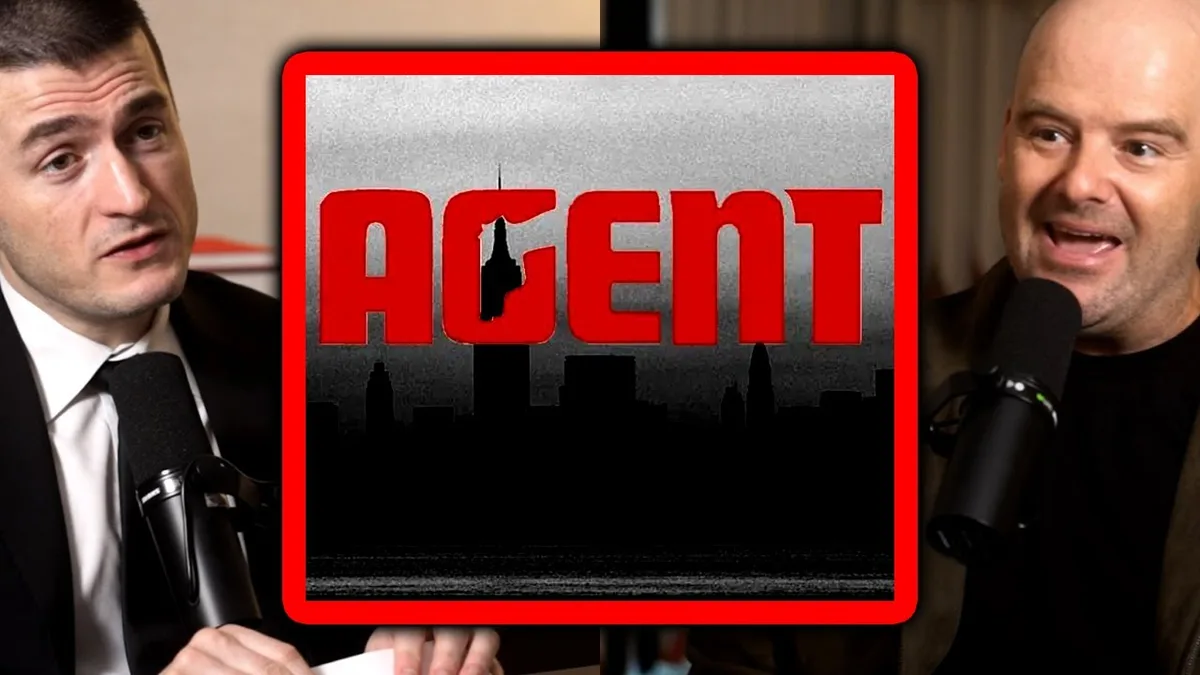
Announced at E3 2009 as a PlayStation 3 exclusive meant to stand alongside the studio's biggest franchises, the espionage thriller Agent remained Rockstar Games' biggest ghost for over fifteen years. Now, studio co-founder Dan Houser has revealed that the project went through roughly five different iterations across three separate development teams before being permanently shelved due to a fundamental game design contradiction.
For more than a decade, a single stenciled logo was enough to keep PlayStation fans speculating about Agent. Unveiled on Sony's E3 2009 stage as the ultimate late-1970s Cold War espionage action game from Rockstar North, the project promised a globe-trotting descent into counter-intelligence, political assassinations, and the space race. Yet despite repeated trademark renewals by Take-Two Interactive until the official website quietly vanished in 2021, not a single frame of public gameplay ever surfaced.
Five Different Iterations From the 1970s Cold War to the Modern Day
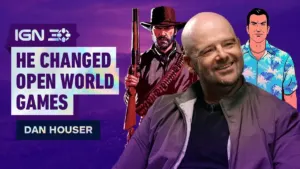
During an extensive conversation on the Lex Fridman Podcast, Dan Houser, the longtime creative architect and lead writer at Rockstar who now heads his own multimedia studio Absurd Ventures, finally opened the vault on the canceled spy thriller. Far from being abandoned shortly after its 2009 reveal, Agent was one of Rockstar's most persistent internal experiments.
According to Houser, the project went through "about five different iterations" and was handed to two or three distinct development teams over the years, spanning Rockstar San Diego, Rockstar North, and Rockstar Leeds. While the public only ever heard about the original 1970s Cold War setting, Rockstar also prototyped versions set in the modern day as well as other historical periods, desperately searching for a structure that felt cohesive controller in hand.
"We worked a lot on multiple iterations of an open-world spy game, and it never came together. Agent had about five different iterations. I don't think it works, I concluded. I keep thinking about it sometimes, I lie in bed thinking about it, and I've concluded: What makes them really good as film stories makes them not work as video games."
Dan Houser, Rockstar Games co-founder, speaking on the Lex Fridman Podcast
The Fundamental Clash Between Spy Pacing and Open-World Freedom
Why couldn't the studio that defined modern open-world design crack the secret agent fantasy? For Houser, the roadblock had nothing to do with PlayStation 3 hardware limits or lack of resources. Instead, it came down to an irreconcilable clash between the narrative engine of a spy thriller and the core freedom of an open-world sandbox.
A great spy movie runs on relentless momentum and a strict ticking clock. The operative receives an urgent briefing from headquarters, races to the airport, intercepts a geopolitical threat across the globe, and has minutes to save the world. By contrast, a Rockstar sandbox is built on looseness: giving players the freedom to ignore the main objective for hours, wander off the beaten path, and explore the world at their own pace without a handler breaking the immersion.
From Cairo Streets to the Swiss Alps: What Survived From Agent's Prototypes
That exact need for unstructured downtime explains why outlaws fit open-world architecture so effortlessly. As Houser put it: "That's why it works well being a criminal, because you fundamentally don't have to save the world." An outlaw answers to no government agency, operates on their own schedule, and can organically drift between high-stakes missions and aimless exploration without destroying dramatic credibility.
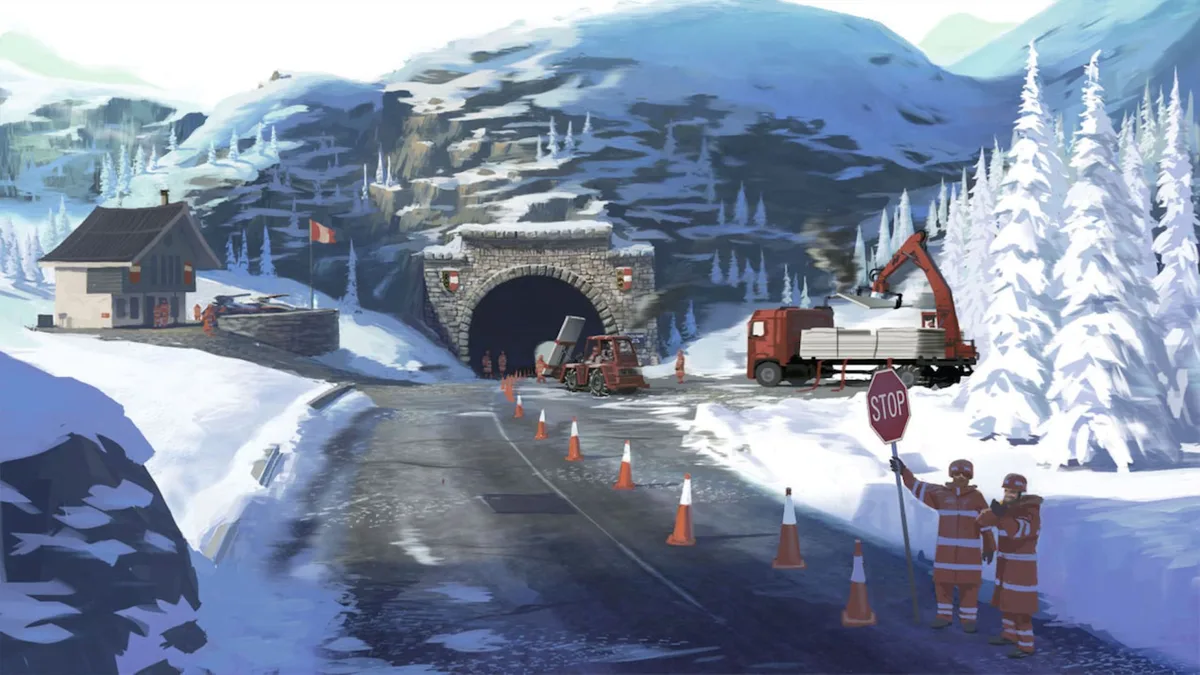
While Agent never shipped as a standalone release, the work poured into those five iterations across Rockstar's studios was not entirely lost. Environment renders uncovered over the years from former Rockstar North artists such as Leigh Donoghue revealed 1970s Cairo streets, a covert submarine pen, a Swiss Alps ski chase, and a high-speed train assault, with several set-piece concepts eventually repurposed into infiltration missions across subsequent Rockstar titles featured on our upcoming game release calendar.
My Take
Hearing Dan Houser admit that he still lies awake thinking about Agent puts fifteen years of mystery into sharp perspective, and from a pure design standpoint, his diagnosis is spot on. Trying to fuse the urgent ticking clock of a James Bond thriller with a sprawling, distraction-heavy city map is a recipe for ludonarrative dissonance. In fact, Houser's conclusion highlights why IO Interactive made the smart call with 007 First Light by steering clear of a continuous open world in favor of dense, self-contained, highly replayable sandbox missions inspired by Hitman. By walking away from Agent after five earnest attempts, Rockstar Games proved that even the undisputed masters of the open world know when a genre simply refuses to bend to their formula.

SEO consultant for over 20 years and digital entrepreneur, Charles 'Grimtag' Ronchain is the founder of Pro-Gamer.gg, Retrocharting.com, and Gamescharting.com. A competitive gamer, streamer, and retro game collector, he has worked in the video game industry for over 15 years, notably as a consultant for leading game price comparison platforms. Passionate about real-time performance data and gaming technology, he analyzes competitive esports, gaming hardware benchmarks, and creator workflows on Pro-Gamer.gg with an authentic player perspective.