Saros on PS5: How Nixxes and Housemarque Built the 5 Overlord Bosses of Carcosa
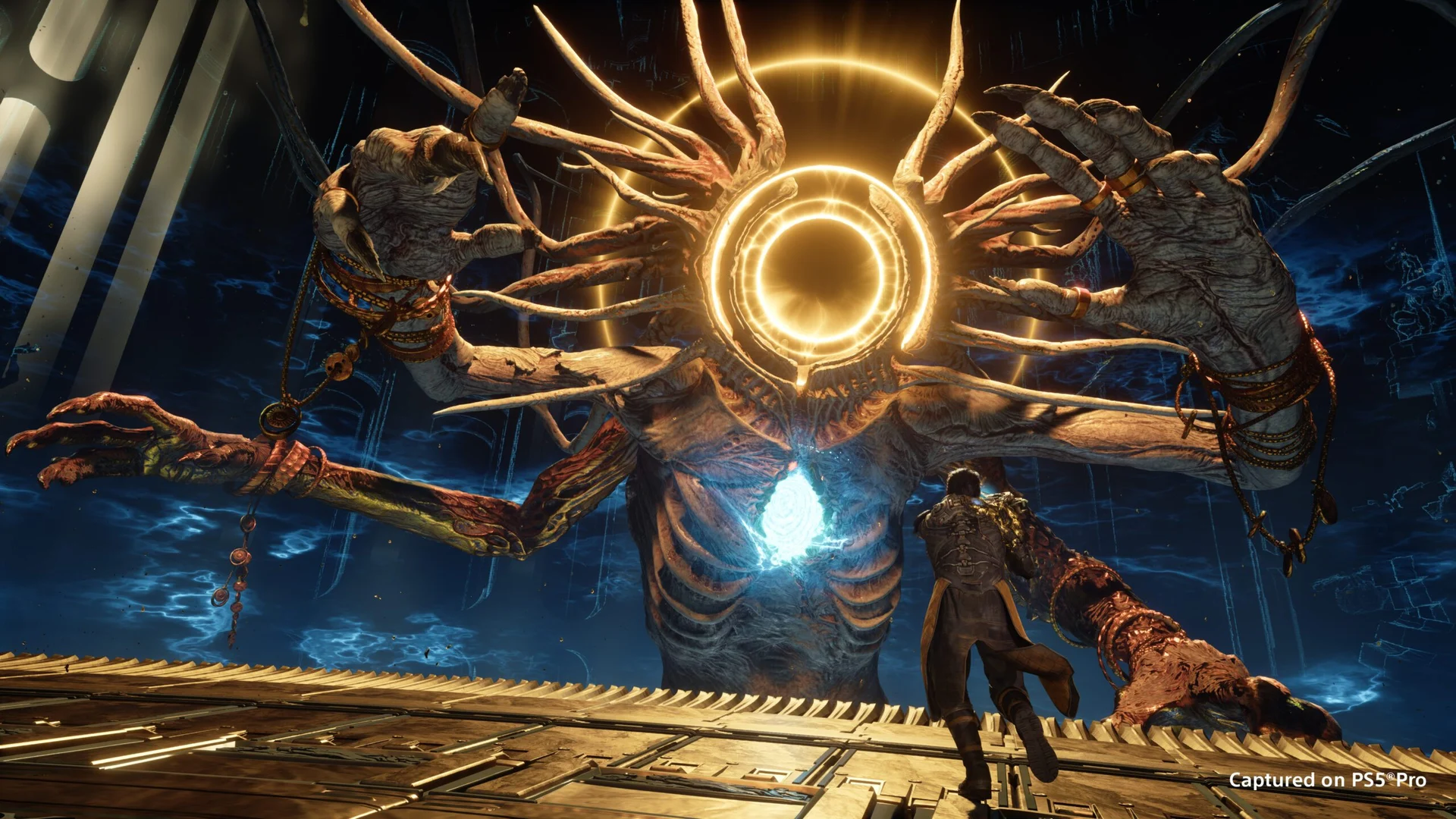
While the signature bullet-hell DNA and dark sci-fi atmosphere of Saros carry the unmistakable stamp of Housemarque, the Finnish studio did not build the PS5 exclusive's monumental boss encounters alone. In a deep-dive feature published on October 23, 2026 on the official PlayStation Blog, Micah Hrehovcsik (Game Director at Nixxes) and Gregory Louden (Creative Director at Housemarque) pulled back the curtain on how both studios co-developed the five Overlords of Carcosa that test Arjun Devraj (portrayed by Rahul Kohli).
How Housemarque and Nixxes Split Boss Development
Best known for delivering high-end PC ports across the PlayStation Studios catalog, Nixxes mobilized its internal content team to bring the set-piece bosses of Saros to life. Because these battles were conceived as fully staged multi-phase encounters rather than standard enemies with inflated health bars, the two studios established a clear creative pipeline from day one. Housemarque defined the overarching creative vision, combat language, boss concepts, visual direction, and VFX identity, while retaining final review.
From those initial design briefs, Nixxes pitched its own encounter concepts and handled early prototypes, first-playable builds, animation, dynamic environments, lighting, technical design, boss behavior, and attack implementation. That tight audiovisual and mechanical execution recently helped the studio celebrate three major wins for Saros at the 2026 Music + Sound Awards.
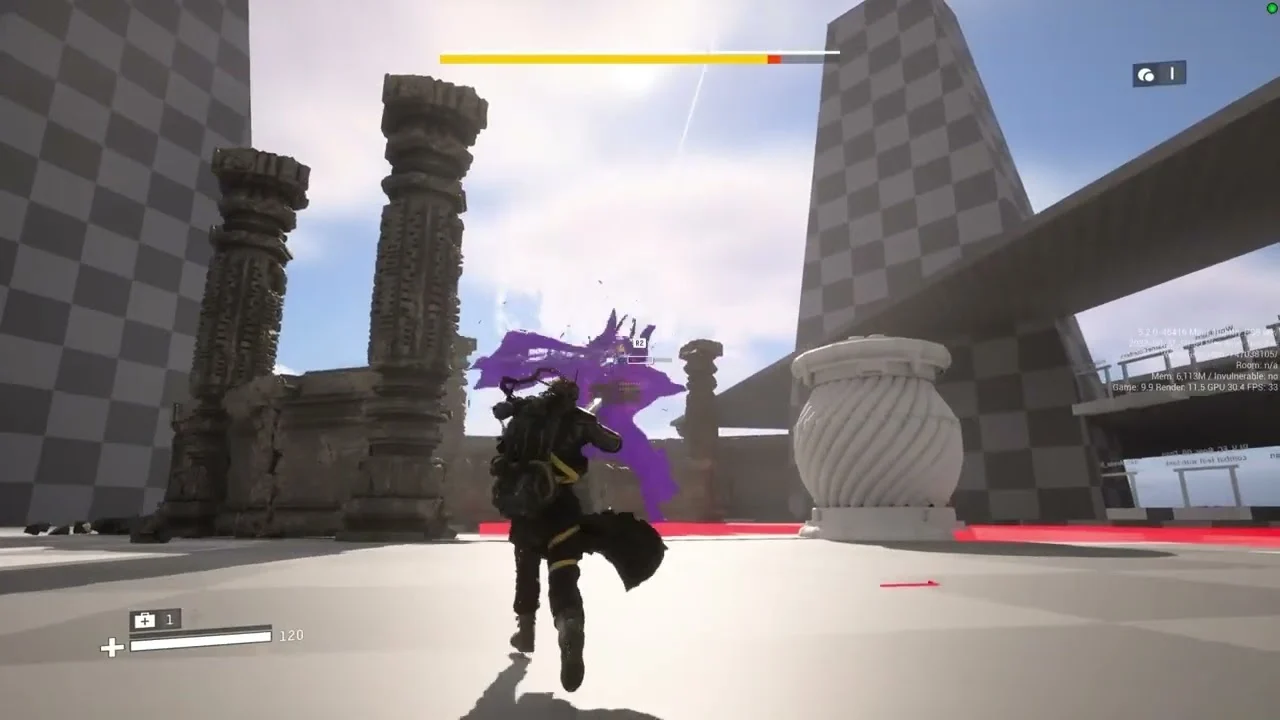
The Three-Phase Rule and 3-to-8-Minute Encounters
Every boss battle in Saros is built around three distinct phases, each transforming how the arena looks, feels, and plays. In the main campaign, a typical Overlord battle lasts between three and eight minutes, blending bullet curtains, sweeping beams, physical strikes, and environmental hazards that push players to actively weave together their shield, jump, parry, and dash abilities.
As Hrehovcsik explains, the core philosophy was making sure every boss attack forces players to move with deliberate intent rather than in blind panic. Throughout playtesting, the team evaluated every player defeat against four strict questions: do players understand why they lost, do they know what to do differently next time, did the defeat feel like their own mistake rather than an unfair spike, and do they immediately want to jump back in for another attempt?
From Prophet to King: Inside All 5 Overlords of Carcosa
The development breakdown highlights how each of the five Overlords serves a specific role in the game's combat escalation:
- Prophet (the wall boss): Designed as an early-game threshold test that introduces the structure and spectacle of boss combat without becoming a frustrating progression wall.
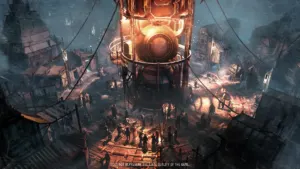
- Architect (the flying boss): Fought atop a towering structure after earlier foreshadowing, this relentless aerial duel destroys the surrounding environment in real time, making the grapple hook essential just to survive the collapsing arena.
- Shepherd (the massive boss): The largest visual spectacle in the game unfolds aboard a ship battered by a stormy sea. Giant tentacles shrink the playable space and launch off-angle strikes before culminating in a terrifying transformation on a sloped deck.
- Priestess (the magic boss): A surreal encounter centered on illusions and clone warfare that intentionally feels like a false finale, eventually shifting into a vast floating arena combining shooting, puzzle-solving, and platforming.
- King (the final boss): Stripped of complex gimmicks, the narrative climax is a pure test of mechanical mastery. The King escalates from controlled, relentless precision into brutal aggression before turning feral and unpredictable in his final phase.
Players can now revisit all five encounters at a faster, arcade-tuned pace thanks to the free Saros: Zenith update on PS5, which introduces the dedicated Overlord Rush mode complete with global leaderboard competition.
My Perspective
Seeing Nixxes step beyond its reputation as a premier PC porting powerhouse to co-design the flagship boss battles of Saros alongside Housemarque shows just how adaptable PlayStation Studios' internal collaboration has become. Giving a dedicated content team ownership over arena destruction and boss prototyping made each Overlord feel mechanically distinct, from grapple-heavy survival against the Architect to the stripped-down skill check against the King.

Based on the outskirts of New York City, Chaya 'Chayane' spent five years studying software engineering in Montreal before returning to her home state. A Full-Stack developer and Deep Learning AI architecture researcher, she explores neural networks and algorithmic optimization while engineering data pipelines for Retrocharting and Gamescharting alongside Grimtag. A gamer for over 20 years and an avid collector of Nintendo history and The Legend of Zelda, she explored World of Warcraft's Azeroth before bringing her deep technical background to video game analysis.