3nm TSMC Node, 6 Arm Cores, and RDNA 3.5 Graphics: Why AMD's Sound Wave APU Is Back on the Radar for a Budget Microsoft Surface
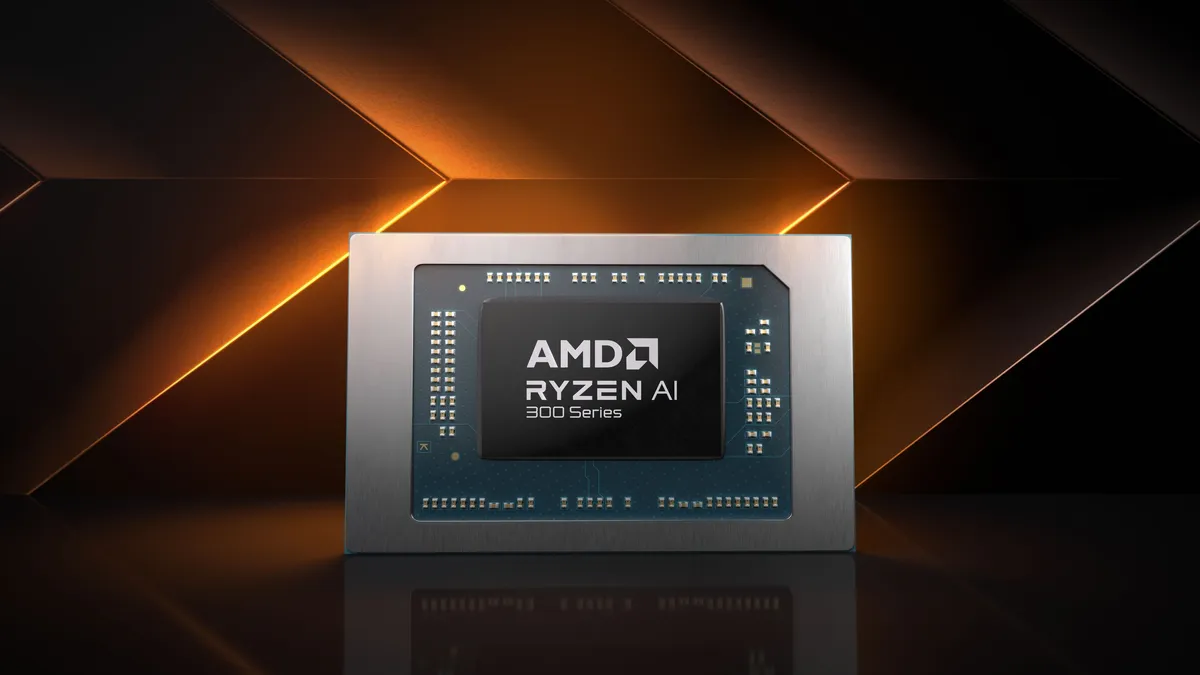
More than a decade after shelving the Jim Keller-led K12 architecture, AMD is preparing its return to custom Arm silicon. Internally codenamed Sound Wave, this ultra-low-power APU has returned to the spotlight in supply chain reports as Microsoft evaluates a more affordable entry in its Surface hardware lineup.
Following Apple's aggressive push into the US education and mainstream laptop market with the $599 MacBook Neo, Microsoft's hardware division is actively looking to trim the bill of materials (BOM) for a compact ~12-inch Surface device. Cutting costs across the battery, cooling assembly, and motherboard while preserving all-day battery life points directly to a 5W-to-10W Arm processor.
TSMC 3nm Node, FF5 Socket, and 6 Hybrid Arm Cores: Inside the Sound Wave Specs
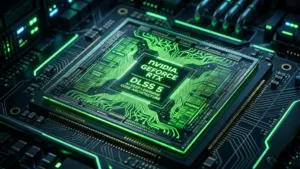
Customs shipping manifests and engineering leaks tracked by hardware insiders Kepler L2, Olrak29, and Moore's Law Is Dead outline a highly specialized system-on-chip. Fabricated on TSMC's 3nm process node, the Sound Wave APU uses a compact 32 × 27 mm BGA-1074 package built for the FF5 socket, the direct successor to the FF3 footprint used by Valve's custom Steam Deck APU.
Instead of Zen x86 cores, AMD's design features a 6-core hybrid Arm CPU pairing 2 performance cores (P-cores) with 4 efficiency cores (E-cores). Operating within a strict 5W to 10W thermal envelope, the chip is engineered from the ground up for fanless tablets and ultra-thin clamshell laptops.
- Process & Package: TSMC 3nm node on the FF5 socket (32 × 27 mm BGA-1074 package with 0.8mm pitch).
- CPU Layout: 6 hybrid Arm cores (2 P-cores + 4 E-cores) targeting a 5W to 10W TDP.
- Integrated Graphics: 4 Compute Units (CUs) built on the AMD RDNA 3.5 architecture, backed by 16MB of MALL cache.
- Memory Subsystem: 128-bit LPDDR5X-9600 memory controller, designed to pair with 16GB of unified system RAM.
- AI Acceleration: 4th-generation XDNA 2 NPU built to clear Microsoft's 40+ TOPS threshold for local Copilot+ PC inference.
While Team Red continues to scale up x86 mobile gaming chips like the Ryzen AI 7 HX 455 with its full 16-CU Radeon 890M, Sound Wave targets the sub-$700 portable tier. Including 16MB of MALL cache (Memory Access Last Level Cache) alongside a 128-bit LPDDR5X-9600 bus ensures that the GPU and NPU are not starved for memory bandwidth despite the tiny wattage budget.
Check Availability AMD Ryzen AI Laptop Availability on Amazon→
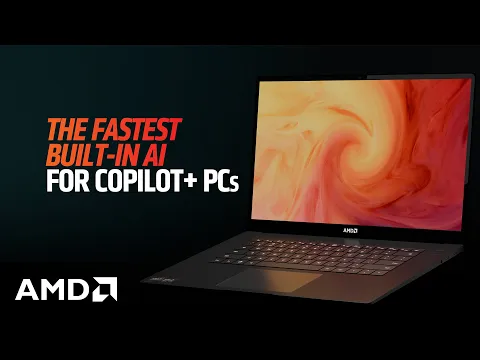
Why Microsoft Needs AMD to Counter Apple's $599 MacBook Push
AMD silicon has been missing from the Surface family since the Surface Laptop 4, as Redmond leaned exclusively on Qualcomm's Snapdragon X series and Intel Lunar Lake chips. Surface Corporate Vice President Brett Ostrum recently attributed AMD's absence to keeping a tightly constrained hardware portfolio rather than any technical fallout between the two companies.
However, reporting from Windows ecosystem insider Zac Bowden and Taiwanese ODM supply chain sources indicates that Microsoft is rethinking its entry-level lineup to defend US market share against Apple's budget MacBook. Introducing a second Arm silicon partner gives Microsoft critical pricing leverage over Qualcomm while expanding the Windows 11 on Arm hardware ecosystem.
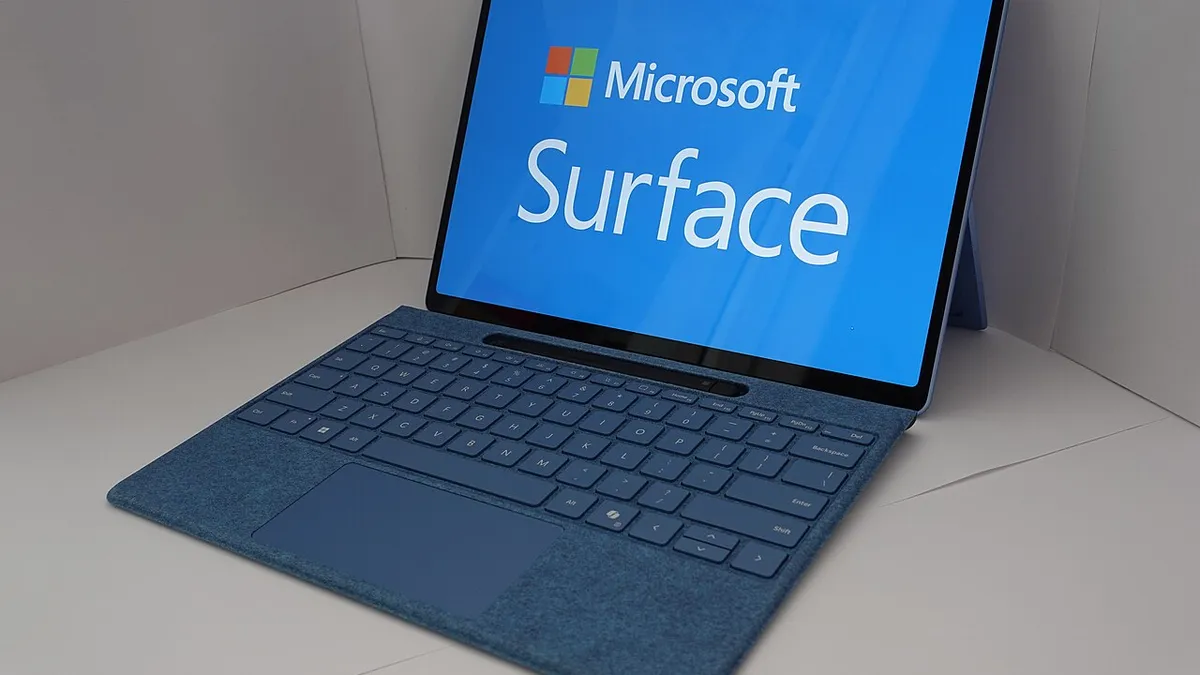
Check Availability Microsoft Surface Availability on Amazon→
My Take: Radeon RDNA 3.5 Drivers Are the Missing Piece for Windows on Arm
Anyone who has tested PC games on a Snapdragon X laptop knows where Windows on Arm actually stumbles. Microsoft's Prism translation layer handles x86-to-Arm CPU instructions surprisingly well, but Qualcomm's Adreno graphics drivers still struggle with DirectX 12 shader compilation, visual glitches, and anti-cheat or launch crashes across Steam libraries.
Pairing Arm CPU cores with an AMD Radeon RDNA 3.5 graphics block solves that exact headache. Even in an ultra-mobile form factor, Sound Wave inherits the mature Radeon Adrenalin driver stack that already powers high-end portable rigs like the Radeon 8060S-equipped Lenovo Yoga Pro 7.
Four RDNA 3.5 Compute Units running at 5W to 10W are obviously not meant to brute-force heavy AAA blockbusters. Yet having full DirectX 12, Vulkan, and FSR upscaling compatibility out of the box means indie hits, 2D tactics games, and low-latency game streaming will finally run on a budget Arm tablet without driver roulette.

SEO consultant for over 20 years and digital entrepreneur, Charles 'Grimtag' Ronchain is the founder of Pro-Gamer.gg, Retrocharting.com, and Gamescharting.com. A competitive gamer, streamer, and retro game collector, he has worked in the video game industry for over 15 years, notably as a consultant for leading game price comparison platforms. Passionate about real-time performance data and gaming technology, he analyzes competitive esports, gaming hardware benchmarks, and creator workflows on Pro-Gamer.gg with an authentic player perspective.