38 Services Down in London: How the Google Cloud europe-west2 Outage Disrupts Global Live-Service Gaming
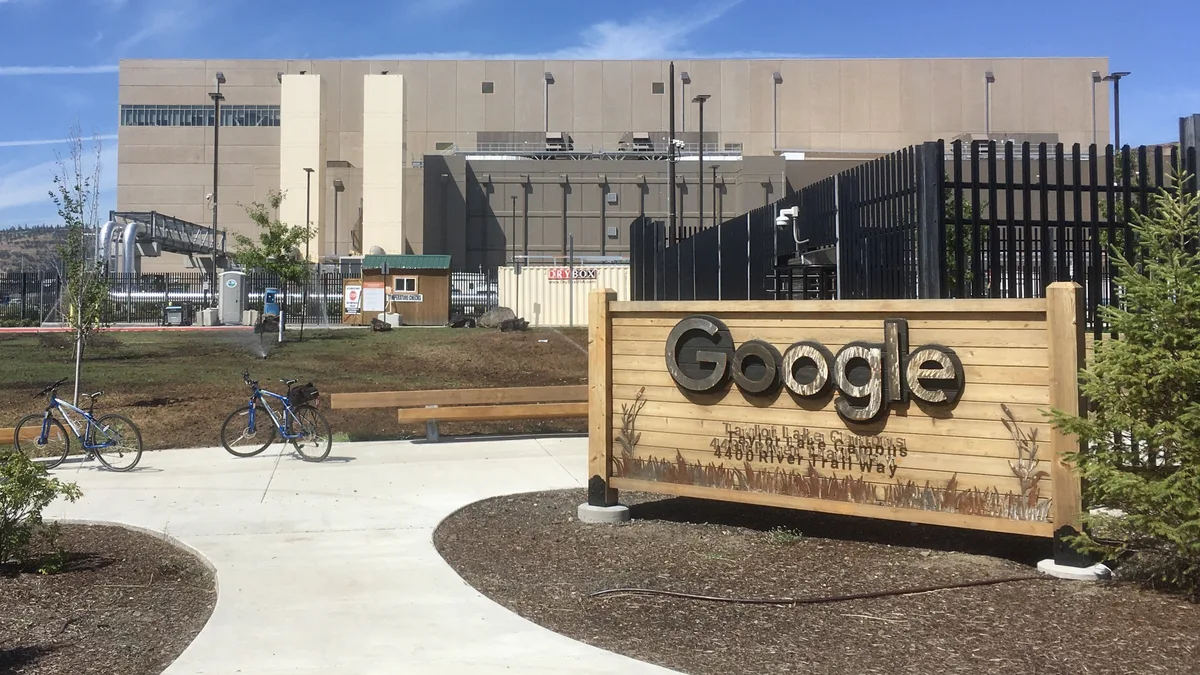
Starting at 06:08 UTC on Tuesday, October 20, 2026 (23:08 PDT Monday night on the US West Coast), Google Cloud's European backbone suffered a severe infrastructure failure. According to the official Google Cloud Service Health Dashboard, the europe-west2 region in London is experiencing elevated error rates and intermittent network drops across 38 core cloud products.
While the immediate consumer fallout made headlines across Europe by taking down banking and fintech platforms such as Revolut, Lloyds Bank, and ING Germany, the outage carries direct consequences for the global live-service gaming ecosystem. Because major US and international publishers rely on Google Cloud's London nodes for transatlantic routing, authentication, and container orchestration, players across both Europe and North America face potential matchmaking bottlenecks and cross-region latency spikes.
Inside Incident #Xs2XTHzAVC9YnafnPyzj: 38 Core Google Cloud Services Hit in London
Engineering logs from the official incident report confirm that the disruption began at 06:08 UTC, hitting availability zone europe-west2-b particularly hard following a localized power and internal networking incident at the London facility. It marks the most disruptive regional incident in the UK capital since the July 2022 cooling system failure.
Rather than affecting a single isolated microservice, the outage spans the entire vertical stack required to run modern online platforms:
- Compute and Container Orchestration: Google Kubernetes Engine (GKE), Google Compute Engine (GCE), Cloud Run, Google App Engine, and VMware Engine.
- Networking and Edge Traffic: Virtual Private Cloud (VPC), Cloud Load Balancing, Cloud NAT, Network Connectivity Center, Private Service Connect, and Apigee API management.
- Real-Time Databases and In-Memory Caching: Cloud Firestore, Cloud Spanner, Cloud SQL, AlloyDB for PostgreSQL, Cloud Bigtable, and the entire Memorystore suite (Redis, Redis Cluster, Memcached, and Valkey).
- Messaging and Telemetry Pipelines: Google Cloud Pub/Sub, Managed Service for Apache Kafka, Cloud Dataflow, and BigQuery.
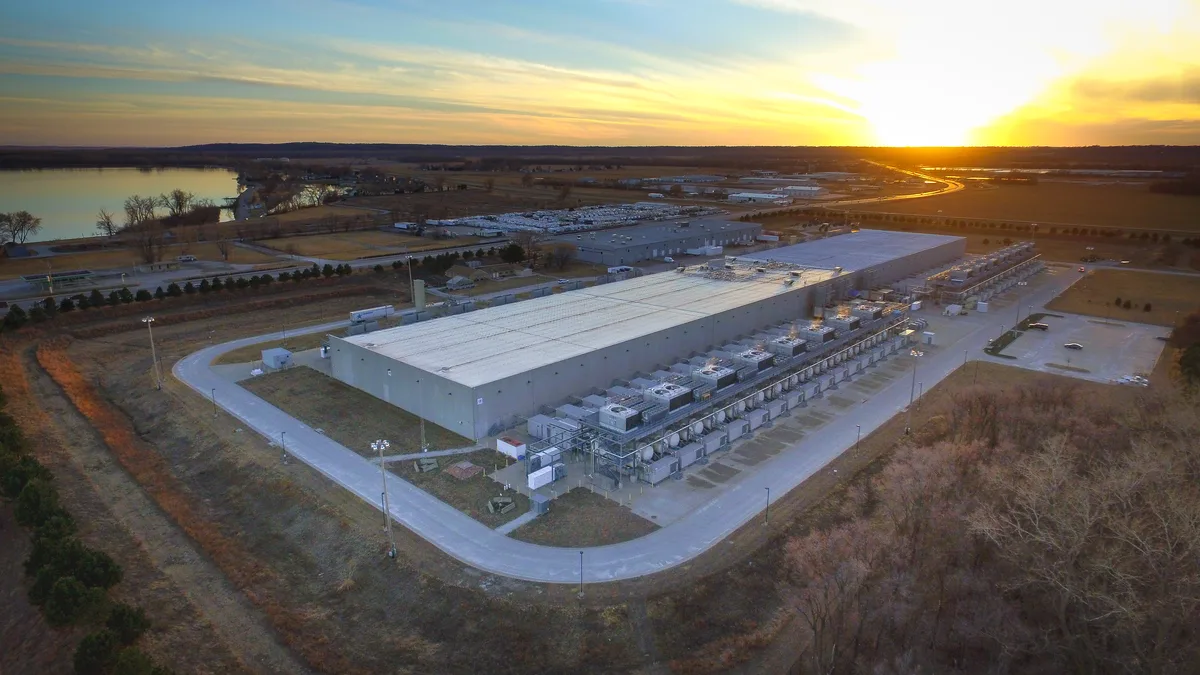
Why Live-Service Gaming Takes a Hit: Agones, GKE, and Transatlantic Matchmaking
Modern multiplayer games rarely run on static bare-metal servers anymore. Over the past several years, major publishers have standardized their dedicated server fleets around Agones on Kubernetes, an open-source multiplayer game server scaling platform originally built by Google Cloud in partnership with Ubisoft and now hosted by the Cloud Native Computing Foundation (CNCF).
When players queue into online matches across live-service titles from publishers utilizing Google Cloud infrastructure, such as Electronic Arts, Ubisoft, Riot Games, Activision, or Niantic's location-based mobile titles, multiple layers affected by the europe-west2 outage come into play:
- Player Authentication and Cross-Progression: Handled by Apigee gateways, Cloud Spanner, Cloud Firestore, and Memorystore Redis clusters. Elevated error rates on these databases trigger login timeouts, delayed inventory synchronization, or failed party invites.
- Dynamic UDP Game Server Scaling: Managed by GKE and Compute Engine, which spin up ephemeral game server pods on demand. When London nodes fail to provision instances, matchmaking queues stall or reroute squads to distant data centers.
- Voice and Social Backends: Real-time communication platforms like Discord rely heavily on Google Cloud's network backbone and compute clusters, meaning regional packet loss in London can degrade voice lobbies during cross-play sessions.
Emergency Workload Migration to Frankfurt and US-East: The Ripple Effect on Latency
In its 09:24 UTC status update, Google Cloud's engineering team confirmed that no automated regional workaround was immediately available within europe-west2, advising administrators to manually migrate their impacted workloads to alternate availability zones or regions.
For live-service ops teams, this forced failover shifts UK and Western European player traffic toward continental hubs in Belgium (europe-west1), Frankfurt (europe-west3), the Netherlands (europe-west4), and Paris (europe-west9), or even across the Atlantic to Northern Virginia (us-east4) for global matchmaking pools. As demands on cloud infrastructure grow, hardware manufacturers are already preparing next-generation Wi-Fi 8 gateways built for cloud gaming to handle dynamic multi-region routing at the edge.
"Multiple Google Cloud services are experiencing elevated errors and intermittent network failures in europe-west2 region. If feasible, the impacted customer may try to migrate their workload impacted to another available location (zone or region)."
Google Cloud Service Health Engineering Team, October 20, 2026 Status Update (09:24 UTC)
My Test Bench: My Take on Multi-Region Failover and Local Routing
Looking at network telemetry during a regional cloud blackout of this scale, the biggest headache for competitive players is rarely a total server shutdown. Instead, it is the silent degradation caused by stale BGP routes and stubborn DNS resolvers that keep trying to handshake with unresponsive London load balancers before timing out and falling back to Frankfurt or US-East. On our test bench, that single failover loop is enough to spike UDP jitter from a clean 6ms to over 50ms with noticeable rubber-banding, especially on low-latency wireless streaming hardware.
While players obviously cannot fix a tripped power bus inside a London data center, optimizing your local network hardware makes a measurable difference when cloud traffic gets rerouted across regions. Running a dedicated Wi-Fi 7 gaming router with adaptive QoS packet prioritization, active congestion control, and fast DNS failover ensures your home network drops dead regional endpoints immediately and locks onto healthy continental or transatlantic game servers without adding local bufferbloat.
Check Availability ASUS ROG Wi-Fi 7 Gaming Router Availability on Amazon→
Google Cloud engineers are actively restoring power redundancy and resynchronizing Persistent Disk and Cloud SQL instances across the London region, with full service recovery expected to roll out progressively as workloads stabilize.

PC hardware enthusiast and competitive gamer, Arthur 'Heimdall' splits his time between France and the UK working in enterprise B2B software solutions. A business school graduate passionate about component benchmarking, he has been building, modding, and tuning PCs since childhood, optimizing every thermal degree and millisecond of display latency. An avid gamer across Assassin's Creed and sandbox titles, he forged his alliance with Grimtag and Chaya during late-night World of Warcraft raids before joining Pro-Gamer.