Steam Deck Verified: Why Valve is Now Tracking Real In-Game Framerates
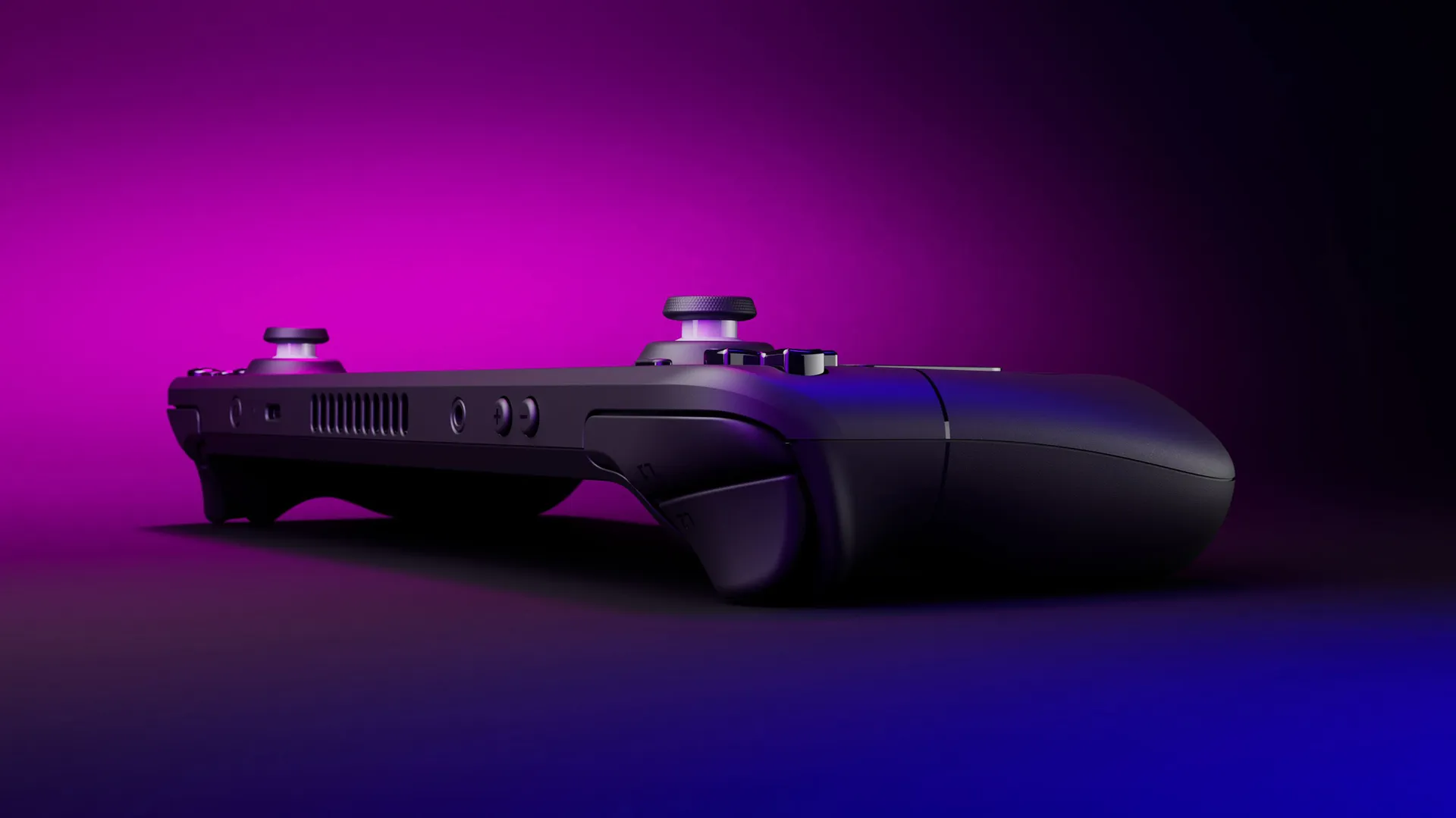
The green "Deck Verified" badge has long served as a trusted stamp of approval on Steam, but it has occasionally masked real-world performance struggles.
A game can easily pass initial verification checks while still dipping to 20 frames per second during intense combat sequences or in visually demanding environments.
To eliminate misleading averages, Valve has rolled out a major update to its Steamworks developer portal.
Moving beyond misleading averages with framerate distribution
Now available in the Steamworks partner dashboard under technical compatibility tools, a new feature called the Framerate Distribution Chart transforms how studios monitor performance.
Instead of relying on a single overall average framerate that hides stuttering and micro-freezes, this dashboard reveals the exact breakdown of gameplay time spent across specific performance tiers.
The tool calculates a 30-day daily running average, powered by anonymized telemetry data gathered from Steam Deck users who opted into performance reporting.
According to Valve engineers, a vast majority of the handheld player base has opted in, providing developers with a massive dataset reflecting genuine handheld sessions.
Pinpointing frame pacing issues and sub-30 FPS drops
Studios can now inspect the precise percentage of gameplay time spent below the 30 FPS threshold, as well as time registered at 45, 60, and 90 FPS on OLED models.
If a supposedly verified title spends 25% of its session below 30 frames per second, developers immediately spot the issue without having to sift through vague bug tickets.
This mirrors the optimization challenges seen on heavy releases, such as the careful tuning required for Final Fantasy XVI on Steam Deck to maintain 30 FPS stability.
Valve explicitly advises developers to interpret these metrics with proper context.
Player choices directly impact telemetry, such as voluntary 40 Hz frame caps to extend battery life, TDP limitations, or external display usage when docked.
Using the Steam Deck as an optimization benchmark for PC
This initiative highlights Valve's broader ambition for its handheld ecosystem.
While PC gaming has always struggled with extreme hardware fragmentation, the fixed architecture of the Steam Deck gives Valve an ideal testbed to enforce console-grade optimization discipline.
This control over low-power efficiency also sets the stage for next-gen hardware, as discussed in our look at the Steam Deck 2 custom 15W chip against rival architectures.
By confronting studios with undeniable real-world telemetry, Valve is turning Deck Verified into a real commitment to performance.

SEO consultant for over 20 years and digital entrepreneur, Charles 'Grimtag' Ronchain is the founder of Pro-Gamer.gg, Retrocharting.com, and Gamescharting.com. A competitive gamer, streamer, and retro game collector, he has worked in the video game industry for over 15 years, notably as a consultant for leading game price comparison platforms. Passionate about real-time performance data and gaming technology, he analyzes competitive esports, gaming hardware benchmarks, and creator workflows on Pro-Gamer.gg with an authentic player perspective.