Nintendo Switch 2 Game Key: Why Card Sales Skyrocketed by 631%
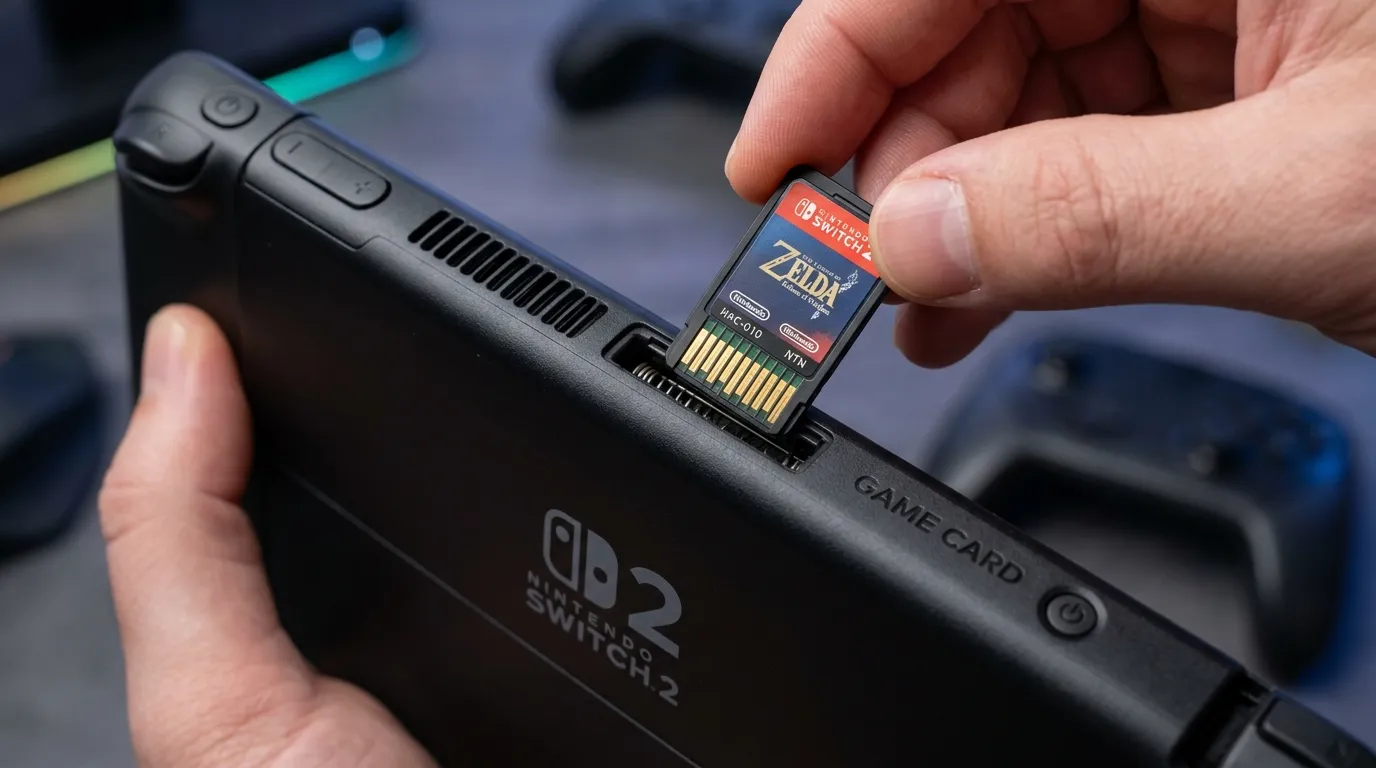
The physical video game market is undergoing a major shift across the United States, where the nintendo switch 2 game key format has recorded a staggering 631% surge in dollar sales according to the latest market report from Circana. Shared by industry analyst Mat Piscatella, this remarkable growth highlights how quickly this hybrid distribution method has established itself on Nintendo's new console generation.
Behind this triple-digit spike lies a clear commercial reality: third-party publishers want to protect their profit margins without giving up vital visibility on major retail shelves.
What is a Nintendo Switch 2 game key and how does the cartridge work?
Unlike a traditional game cartridge that holds all code, textures, and audio files directly on physical ROM memory, a Nintendo Switch 2 game key card operates primarily as a hardware security authentication token.
Once you plug the card into the top game slot of the console, the Nintendo Switch 2 validates the cryptographic hardware license and immediately triggers a mandatory download of the full game data from Nintendo servers. Depending on the size of the production, downloads typically range between 40 GB and 80 GB.
After the installation finishes on the internal storage drive or an installed microSD Express card, the physical cartridge must stay inserted in the console whenever you want to play. Removing the card prevents the game application from launching.
High flash memory costs force publishers toward a compromise
Why have heavyweight publishers like Electronic Arts, 2K, and Ubisoft embraced this card format so aggressively? Production costs tell the whole story. While a 100 GB Ultra HD Blu-ray disc on PS5 or Xbox Series X costs mere pennies to press, high-speed 64 GB and 128 GB flash memory chips compatible with the Nintendo Switch 2 carry a substantial manufacturing surcharge.
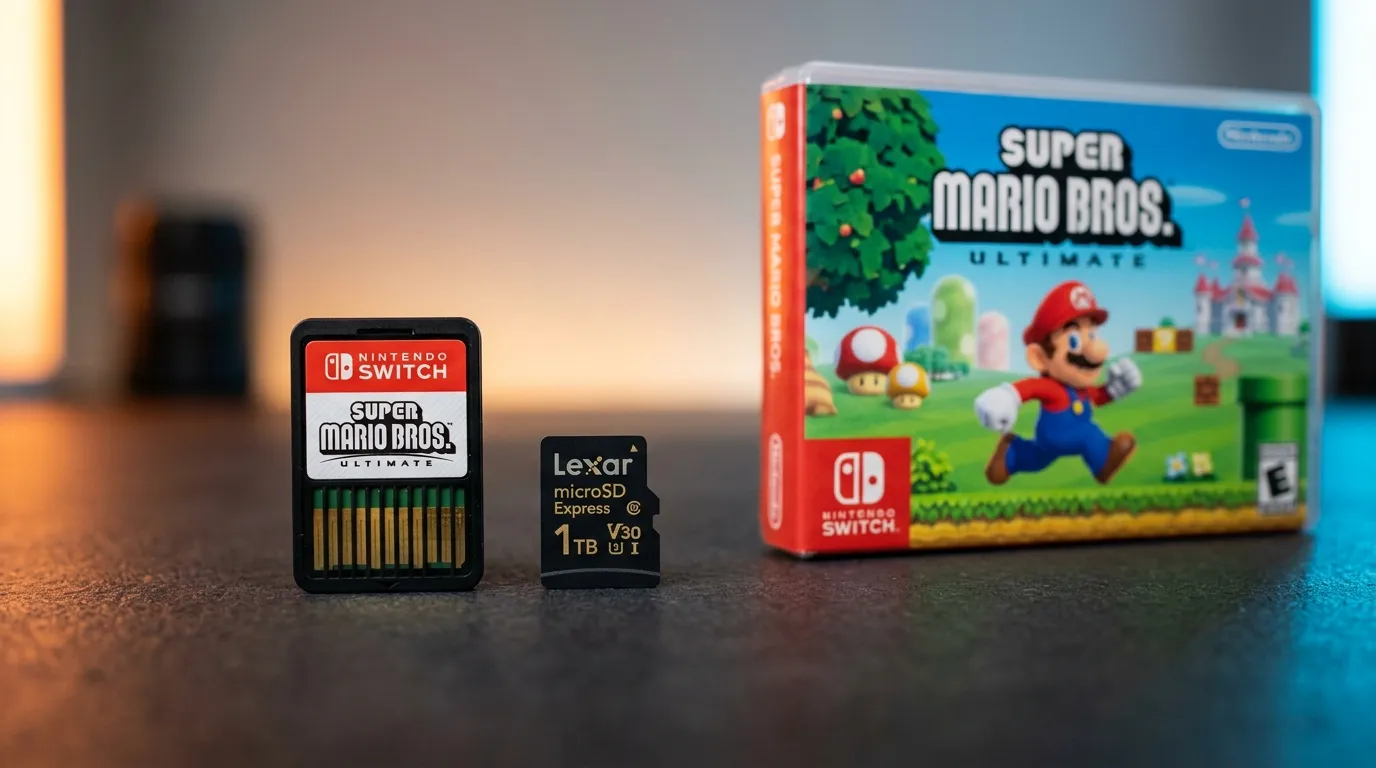
Rather than eating into profit margins or slapping an extra $15 to $20 premium onto consumer retail tags, publishers use activation game keys to bypass chip expenses. This strategy keeps their physical presence strong across retail giants like Walmart, Target, Best Buy, and Amazon, while keeping manufacturing footprints minimal.
This dynamic mirrors the ongoing storage management challenges players face across recent releases, as seen with Switch 2 pre-orders and enhanced visual upgrades.
Physical ownership and trade-ins survive, but local storage pays the price
The rise of this format continues to fuel lively community debates between practical convenience and digital constraints.
The standout advantage remains the preservation of physical ownership rights. Unlike a disposable one-time download voucher in an empty plastic box, a game key card is never bound to an individual Nintendo Account. Players can freely lend the game to friends, trade it, or sell it on the second-hand market. Any subsequent owner simply pops the cartridge into their console to download and play the full game without account barriers.
However, players face two genuine trade-offs:
- Rapid storage consumption: installing titles that demand 50 GB to 80 GB quickly exhausts the internal memory of the Nintendo Switch 2, forcing players to purchase expensive high-speed microSD Express cards.
- Total server dependence: opening a fresh retail box without an active internet connection leaves you unable to play day one, raising serious long-term concerns regarding physical media preservation down the line.
My opinion
This 631% surge shows pure corporate pragmatism in action. By refusing to absorb the premium cost of high-density flash storage, major publishers found a formula to preserve store shelf dominance without denting their operating margins.
For players, the outcome is a double-edged sword. Keeping used game sales and peer-to-peer lending alive is a huge win compared to useless digital code boxes. Yet pushing the actual burden of storage expansion directly onto consumer wallets remains a frustrating pill to swallow.

SEO consultant for over 20 years and digital entrepreneur, Charles 'Grimtag' Ronchain is the founder of Pro-Gamer.gg, Retrocharting.com, and Gamescharting.com. A competitive gamer, streamer, and retro game collector, he has worked in the video game industry for over 15 years, notably as a consultant for leading game price comparison platforms. Passionate about real-time performance data and gaming technology, he analyzes competitive esports, gaming hardware benchmarks, and creator workflows on Pro-Gamer.gg with an authentic player perspective.