4 Years After the Cloud Disaster: How Kingdom Hearts Dethroned Nintendo's Biggest Switch 2 Game
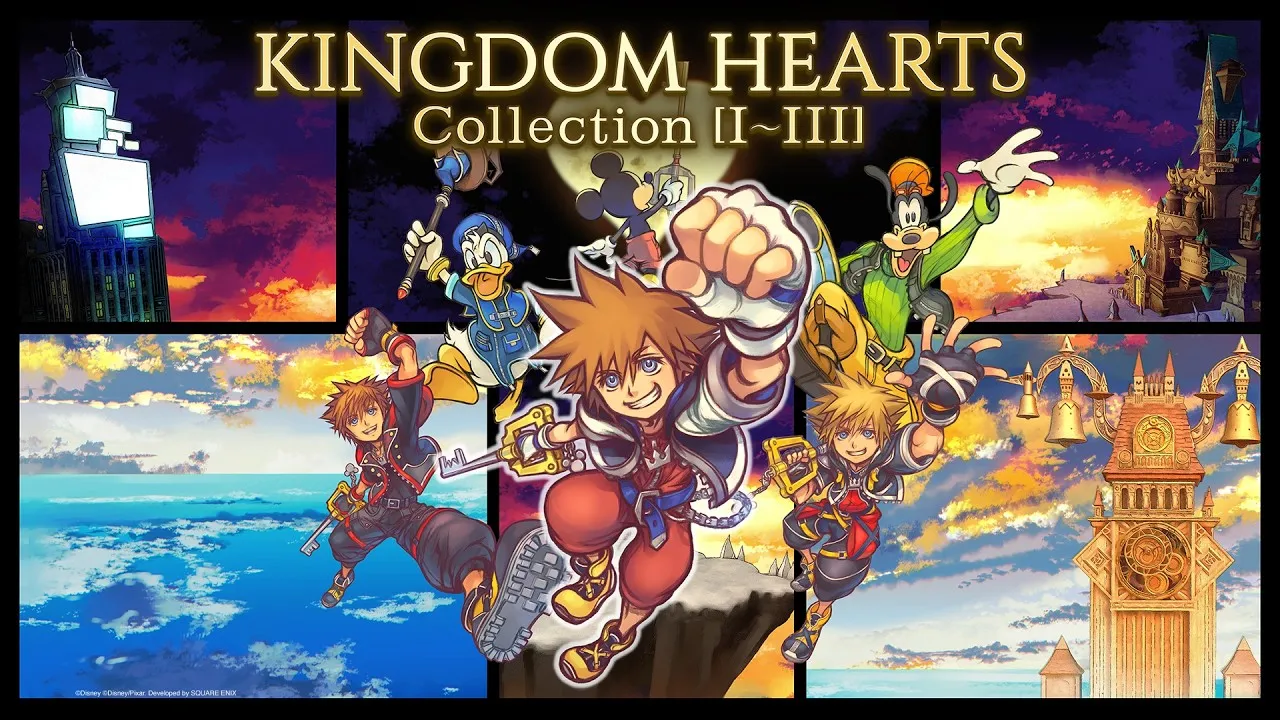
Watching a compilation of previous-generation remasters overtake Nintendo's premier first-party exclusive on its home turf would have sounded like complete fiction just a few weeks ago.
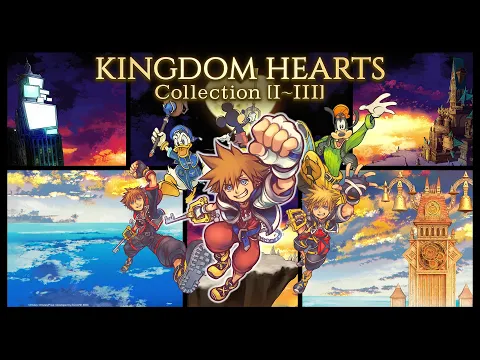
Yet the US Nintendo Switch 2 eShop charts are telling an unmistakable story. The Kingdom Hearts Collection [I~III] has officially surged to the number one spot across pre-orders and digital sales.
This milestone is not merely a strong launch performance. Square Enix's crossover RPG saga has directly bypassed Fire Emblem: Fortune's Weave, the flagship exclusive Nintendo launched on September 17.
While fans continue to push back against the industry push toward an $80 price tag on major new releases, Square Enix is capitalizing on years of pent-up demand.

To understand this level of excitement, one only needs to look back at the bitter disappointment of 2021 when the series first arrived on the original Switch.
Square Enix opted for deeply flawed cloud-streaming versions, plagued by severe latency spikes, visual compression artifacts, and network drops on single-player classics originally built for PS2 and PS3.
That painful compromise is finally over. On the Switch 2, Sora's entire saga runs natively from local storage without requiring a persistent server ping.
The package bundles Kingdom Hearts HD 1.5 + 2.5 ReMIX, HD 2.8 Final Chapter Prologue, and Kingdom Hearts III alongside the Re Mind expansion.
Square Enix has also taken deliberate steps to appease returning customers who felt burned by the earlier cloud release.
The publisher pulled the cloud editions from digital storefronts and scheduled full server termination for June 9, 2027. Early buyers receive a 50 percent discount on the Switch 2 native editions, along with full save data migration.
This pre-order surge delivers an unmistakable message to publishers across the industry. Handheld enthusiasts will gladly invest in massive RPG collections, provided the experience actually runs on their own hardware.
Launching worldwide on October 8, 2026, this native release proves that real hardware ownership still reigns supreme.

SEO consultant for over 20 years and digital entrepreneur, Charles 'Grimtag' Ronchain is the founder of Pro-Gamer.gg, Retrocharting.com, and Gamescharting.com. A competitive gamer, streamer, and retro game collector, he has worked in the video game industry for over 15 years, notably as a consultant for leading game price comparison platforms. Passionate about real-time performance data and gaming technology, he analyzes competitive esports, gaming hardware benchmarks, and creator workflows on Pro-Gamer.gg with an authentic player perspective.