Omnislash, 200GB Scale, and an Unrepeatable Trilogy: Why FF7 Revelation's Sephiroth Finale Closes an Era
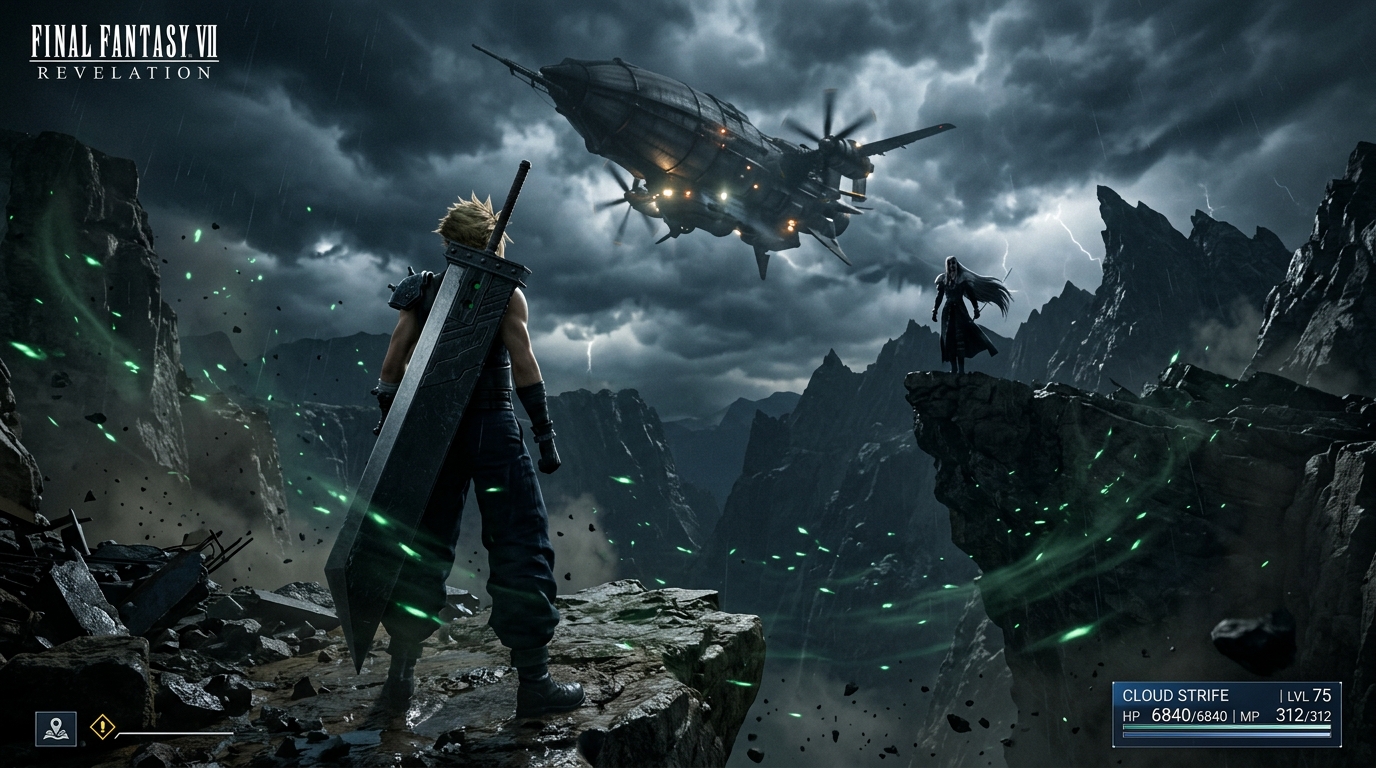
With Final Fantasy VII Revelation firmly locked for release on April 8, 2027, director Naoki Hamaguchi has offered an extraordinarily candid glimpse into the project's climax in an in-depth interview with PC Gamer. Moving past standard PR talking points, the director pulled back the curtain on Cloud and Sephiroth's climactic battle, officially confirmed the return of the iconic Omnislash, and delivered a stark verdict on the future of multi-game blockbuster remakes.
“A Very Extravagant Battle”: Omnislash and the Ultimate Climax
Following the bombastic finales of Remake atop Midgar's shattered highway and Rebirth across the tears of the multiverse, Square Enix faced a daunting creative dilemma: how do you raise the stakes when two consecutive games have already pushed cinematic combat to its limits? For Hamaguchi, retreating was never an option. The director describes the final confrontation as “a very extravagant, all-out battle,” recognizing that expectations from millions of longtime fans leave zero room for half-measures.
“If there wasn't a dramatic showdown with Sephiroth, I do think the fans would be angry.” — Naoki Hamaguchi, Director of Final Fantasy VII Revelation
The headline revelation of the interview directly concerns Cloud Strife's signature ultimate technique: the legendary Omnislash. Having deliberately withheld the complete version of the classic 1997 Limit Break across the first two entries, Hamaguchi confirmed that it forms the mechanical and visual backbone of Revelation's climax. The developers reportedly “crammed it full of everything that we can,” ensuring that Cloud's defining moment matches the astronomical scale built up over the last decade.
200GB and 12 Years of Development: An Unrepeatable Industry Feat
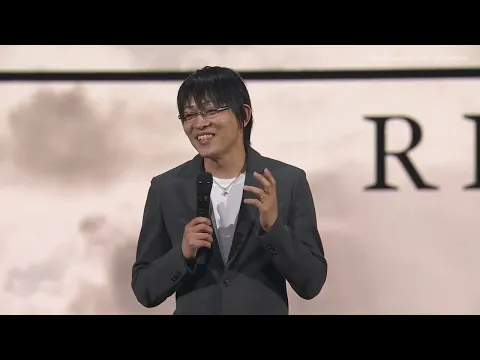
Beyond sword clashes and cinematic spectacle, Hamaguchi addressed the elephant in the room: will the video game industry ever see another project of this magnitude? Originally entering pre-production in the mid-2010s before culminating in 2027, the Final Fantasy VII remake project has kept a core team of veteran creators unified for nearly twelve unbroken years. Asked whether another studio could replicate such a trilogy, Hamaguchi offered a realistic assessment:
“I can't predict whether anyone else will attempt to remake a classic game as a multi-part series, but this project has certainly served as a significant case study for the industry.” — Naoki Hamaguchi
That "case study" carries astronomical costs. Between ballooning production budgets, talent retention across multiple console generations, and a colossal file footprint approaching 200GB, modern publishing economics make this level of single-player investment nearly extinct. The sheer scale even triggered internal logistics battles: Hamaguchi revealed he had to forcefully push Square Enix leadership to secure a physical disc release at all, though its massive file size means it will require a substantial day-one download, unlike Rebirth's two-disc package. This commitment aligns with how Square Enix previously doubled down on massive open-world scope despite community debates over content bloat.
Official Final Fantasy VII Revelation Trailer
My Take: The Extravagant Farewell to an Era Gaming Can No Longer Afford
Hearing a premier game director essentially admit that his own creation is an economic anomaly is as refreshing as it is sobering. By dedicating twelve years and hundreds of millions of dollars to resurrecting a 1997 title in a 200GB colossus, Square Enix is operating on a creative frequency that the modern games industry has already moved away from. In an era where publishers shutter studios after single missteps and prioritize safe, live-service revenue over decade-long single-player gambles, this extravagant Sephiroth showdown feels like the grand finale of AAA excess.
Gamers will certainly have valid gripes about mandatory day-one downloads for physical copies or open-world checklist fatigue. But when the credits roll on Revelation on April 8, 2027, we will be witnessing the permanent closing of a door. No publisher—not PlayStation, not Xbox, and almost certainly not Square Enix itself—will ever again commit this level of talent and capital to a single serialized remake. It may be overwhelming and financially reckless, but it represents a singular spectacle that gaming will never see again.

SEO consultant for over 20 years and digital entrepreneur, Charles 'Grimtag' Ronchain is the founder of Pro-Gamer.gg, Retrocharting.com, and Gamescharting.com. A competitive gamer, streamer, and retro game collector, he has worked in the video game industry for over 15 years, notably as a consultant for leading game price comparison platforms. Passionate about real-time performance data and gaming technology, he analyzes competitive esports, gaming hardware benchmarks, and creator workflows on Pro-Gamer.gg with an authentic player perspective.