AMD RDNA 5: Neural Lighting Unleashed Against Nvidia DLSS 5
Across test benches and competitive arenas alike, raw silicon horsepower is no longer enough to dominate high-end PC gaming. Confronted with Nvidia's relentless leadership in AI-driven image processing, AMD is preparing the most pivotal architectural transition in its history with RDNA 5.
According to concordant industry leaks and architecture details shared by reputable hardware insiders including Kepler_L2, upcoming Radeon RX 10000 series GPUs will definitively discard pure algorithmic compromises. Team Red is re-engineering its entire graphics rendering pipeline around a groundbreaking paradigm: Neural Lighting.
RDNA 5 Neural Lighting: Ending the Brute-Force Ray Tracing Penalty
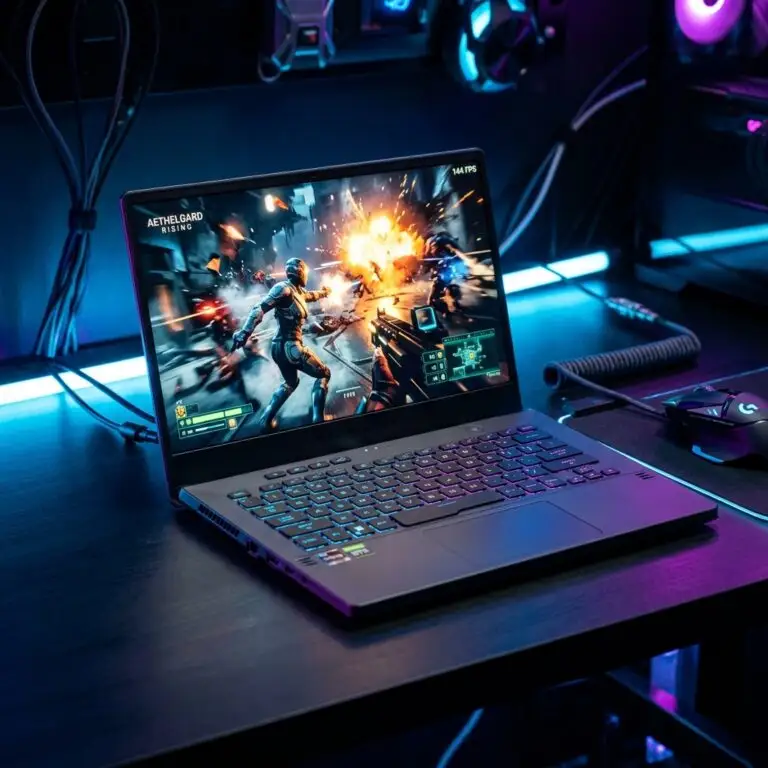
Traditionally, calculating complex reflections, refraction, and diffuse global illumination has demanded massive compute shader clusters working in brute force. This approach triggers heavy thermal and power penalties, especially in demanding path-traced titles like Control Resonant.
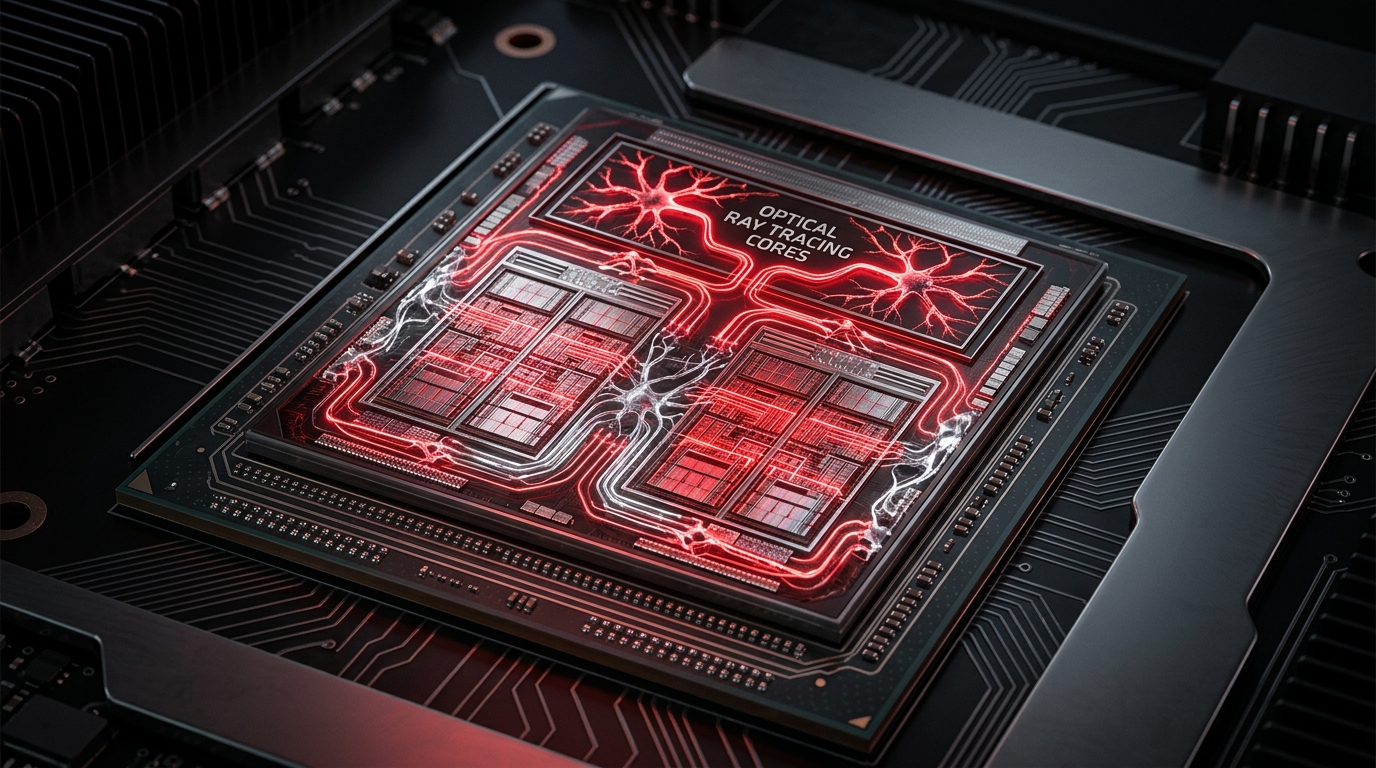
With RDNA 5 Neural Lighting, AMD directly challenges Nvidia's Ray Reconstruction and the upcoming DLSS 5 ecosystem. Instead of tracing and denoising millions of light rays per pixel, specialized neural networks predict accurate light transport across complex geometry in real time.
This neural inference pipeline relies on dedicated hardware execution units embedded inside the GPU compute matrix. Architecture patents indicate a layout capable of inferring diffraction, surface caustic effects, and ambient occlusion in a fraction of traditional frame times.
FidelityFX Super Resolution 5: Next-Generation Machine Learning
This architectural overhaul forms the foundation for FidelityFX Super Resolution 5. While previous iterations stabilized competitive framerates, RDNA 5 marks AMD's formal transition into full-stack neural reconstruction.
FSR 5 expands well beyond temporal scaling filters. The deep neural network manages sub-pixel edge stability, fine geometry reconstruction, and the total suppression of shimmering on thin wires and foliage.
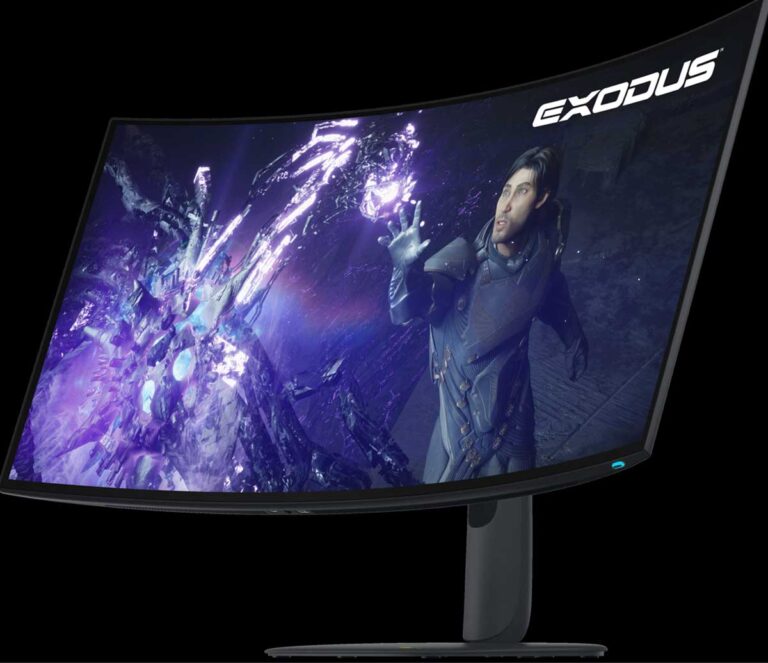
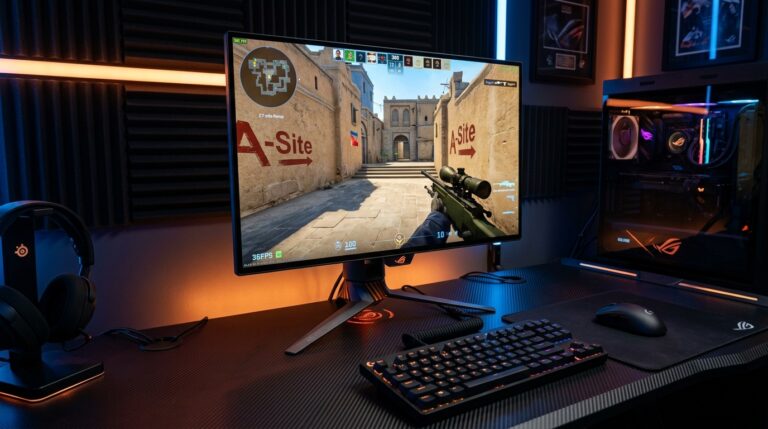
On ultra-crisp monitors like the Alienware Tandem OLED, sub-pixel rendering accuracy is paramount. Any temporal instability or reconstruction ghosting destroys competitive immersion when pixel density escalates.
4K Gaming on 360Hz and 480Hz OLED Panels: The Esports Priority
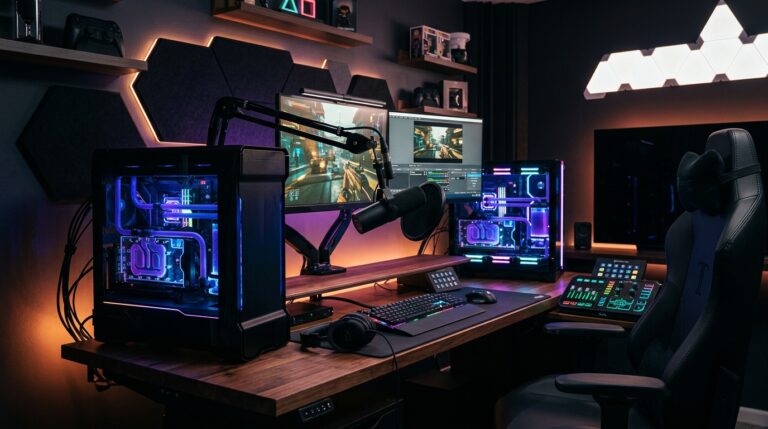
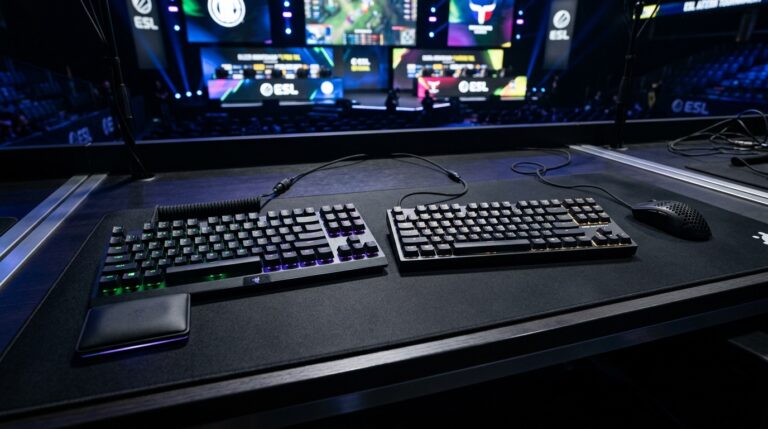
In competitive esports and broadcast setups, visual clarity without latency overhead has become the ultimate purchasing metric. Pushing 300+ frames per second in 4K resolution has remained impossible without artificial frame interpolation, a technique often rejected by pro players due to added input delay.
By offloading dynamic illumination to dedicated neural hardware, Neural Lighting preserves crisp system responsiveness. Inference passes execute asynchronously alongside rasterization, keeping frame delivery times exceptionally tight.
Competitive players and creators who demand crystal-clear shadow fidelity and responsive flick-shots finally gain an uncompromising platform. Radeon hardware has spent years chasing Nvidia's neural feature set, making this leap vital for high-tier credibility.
My Take: AMD's Strategic Counterstrike Against Nvidia RTX
My take: AMD had no other viable path. Stacking conventional raster compute units in hopes of outmuscling Nvidia's tensor architecture was an engineering dead end.
If AMD delivers this neural rendering pipeline while keeping silicon pricing competitive, the flagship graphics battle will finally regain real rivalry. The decisive test will be developer adoption across leading game engines.

SEO consultant for over 20 years and digital entrepreneur, Charles 'Grimtag' Ronchain is the founder of Pro-Gamer.gg, Retrocharting.com, and Gamescharting.com. A competitive gamer, streamer, and retro game collector, he has worked in the video game industry for over 15 years, notably as a consultant for leading price comparison platforms. Passionate about real-time performance data and gaming technology, he analyzes competitive esports, gaming hardware benchmarks, and creator workflows on Pro-Gamer.gg with an authentic player perspective.