Pro Gamer Training Methods: How Elite Esports Athletes Practice and Compete
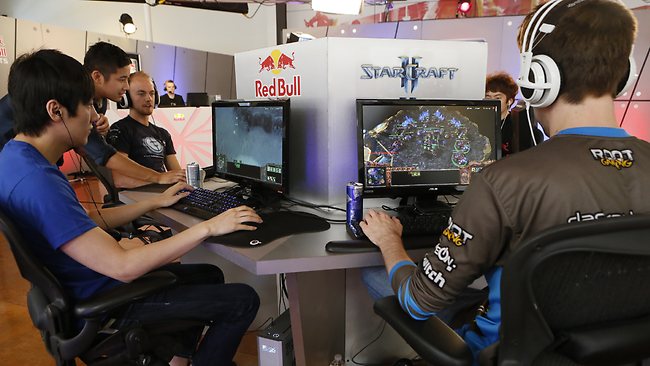
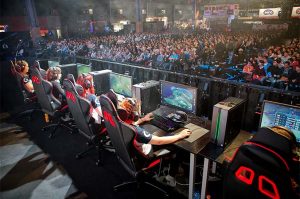
The term "esports athlete" is no longer an exaggeration. Today, competitive gamers operate as professional athletes, competing in high-stakes multiplayer environments on PC and consoles before sold-out stadium crowds and millions of live streaming viewers.
With multi-million-dollar team contracts, global tour championships, and commercial sponsorships, elite esports competitors have abandoned casual habits to adopt the daily training discipline of Olympians and professional sports stars.
Is Esports a Real Sport? The Science of Cognitive Athletics
To outsiders, comparing video games to traditional athletics once seemed counterintuitive. Conventional definitions of sport often centered on pure outdoor physical exertion. Yet that narrow view overlooks sports like chess, auto racing, or archery, where mental stamina, sensory processing, and surgical precision take precedence.
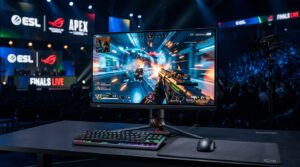
Seated before a 240Hz or 360Hz display, a professional gamer operates at the absolute peak of human neuro-muscular performance. Sustaining extreme focus for five consecutive hours requires exceptional stamina, rapid cardiovascular adaptation, and lightning-fast cognitive processing.
A Professional Infrastructure Identical to Traditional Sports
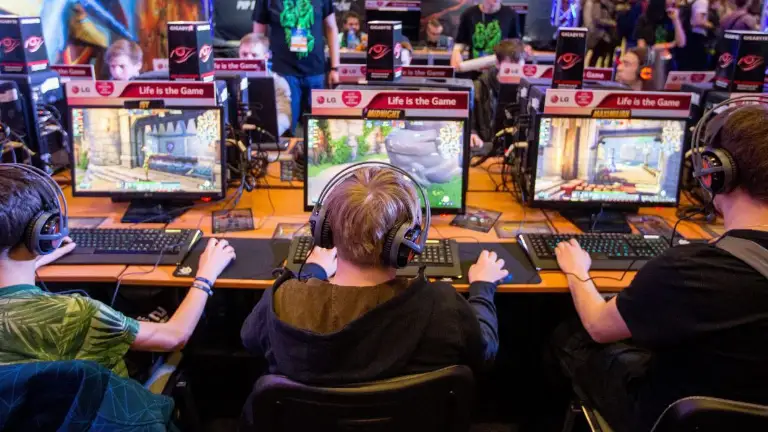
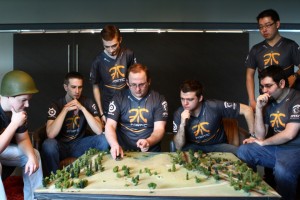
Professional competitors must adhere to rigorous team rules, contracts, and training regimens to earn their living. Once scouted from top ladder rankings, players join powerhouse organizations like Team Liquid, Cloud9, T1, Team Vitality, NAVI, or Fnatic.
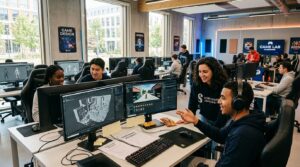
These clubs provide full-scale training facilities, dedicated coaching staffs, and sports psychologists, fielding rosters across flagship international leagues broadcast worldwide by professional color casters.
Core Abilities Demanded at the Pro Tier
Elite gaming demands a specialized suite of physical and cognitive attributes:
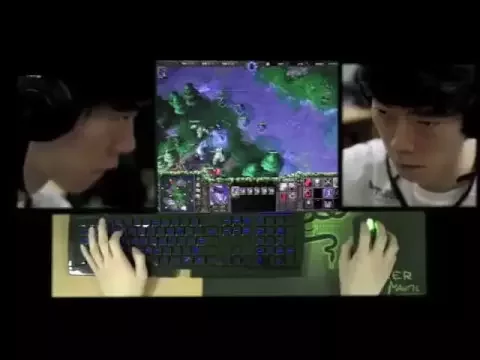
- Extreme Dexterity & Actions Per Minute (APM): In demanding titles like StarCraft II, professional players routinely sustain over 400 actions per minute, executing five distinct keyboard and mouse commands every single second.
- Lightning-Fast Reaction Times: While the average human visual reaction time hovers around 250 milliseconds, elite Counter-Strike and fighting game pros consistently clock reaction times between 130 and 170 milliseconds.
- Flawless Team Coordination: Tactical shooters like Counter-Strike 2 and Valorant demand synchronized utility timing, precise crossfire setups, and crystal-clear voice comms under crushing competitive pressure.
A Typical Training Week
An esports competitive season spans roughly eight to nine months of grueling competition. Even during off-season periods, players cannot afford to take extended breaks without falling behind evolving game metas and new tactical counter-strategies.
A standard competitive training week requires between 40 and 60 hours of structured practice, encompassing scrim blocks, solo queue mechanics drills, and tactical theorycrafting.
Inside an Elite Daily Regimen
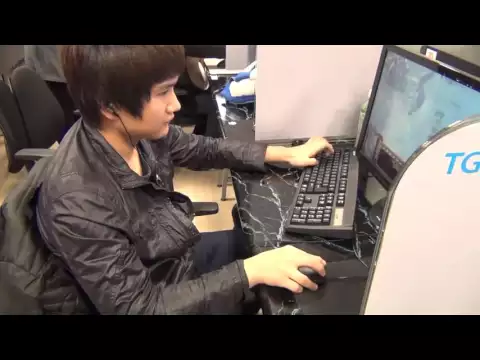
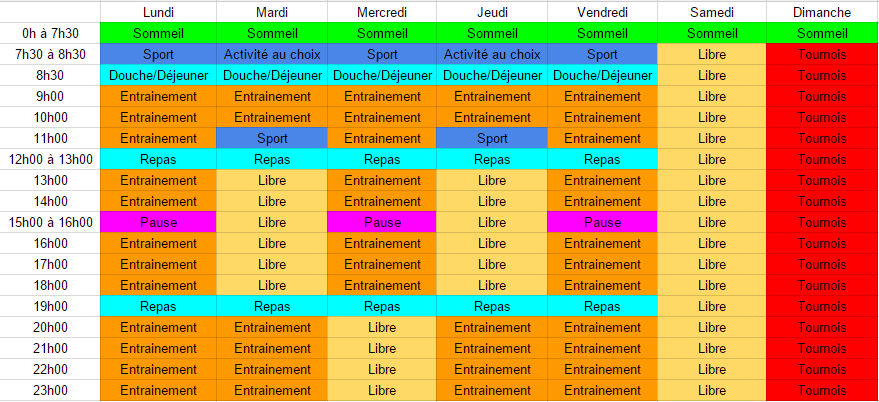
Consider the disciplined routine of StarCraft veteran Dario "TheLittleOne" (Liquid TLO). Waking up at 7:30 AM and maintaining a strict midnight curfew, he dedicated forty hours each week to deliberate practice Monday through Friday, reserving weekends for tournament play.
Crucially, his routine balanced screen time with essential physical conditioning: five weekly hours of swimming and running, daily meditation, screen-free evenings, and dedicated offline hobbies to prevent burnout and mental fatigue.
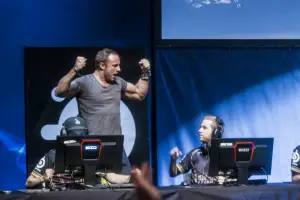
Tactical Coaches and Video Analysts
Throughout daily training, players collaborate closely with strategic coaches and data analysts. Armed with screen recordings and advanced analytical software, coaches supervise scrimmages and dissect matches frame-by-frame.
Debriefings happen collectively as a unit and in one-on-one video reviews. Beyond tactical diagrams, coaches serve as vital mentors, enforcing team discipline, resolving interpersonal conflicts, and keeping player health aligned with professional standards.

Longevity, Ergonomics, and Health
To sustain a long, lucrative competitive career, healthy habits are mandatory:
- 8 Hours of Sleep: Sleep is essential for procedural memory consolidation, locking in reflex patterns and reaction mechanics developed during practice.
- Ergonomics & Medical Prevention: Repetitive strain injury (RSI), tendonitis, lumbar strain, and ocular fatigue require active physical therapy, wrist stretches, and ergonomic chairs to prevent career-ending injuries.
- Career Longevity and Transition: Because competitive gaming careers historically peaked between ages 18 and 25, smart pros prepare their transition early, building brands that enable seamless pivots into head coaching, broadcast casting, management, or content creation.
Esports Coaching Platforms for Rapid Improvement
For aspiring competitive players looking to accelerate their progression, online esports coaching platforms provide direct access to experienced mentors and former professionals.
One-on-one sessions offer objective reviews of your gameplay, highlighting blind spots and strategic habits that hold you back. Platforms like Metafy, Gamer Sensei, and specialized esports training services provide personalized VOD analysis and structured drills.
Constructive feedback from an experienced professional is the fastest way to break bad habits, sharpen your game sense, and climb into elite competitive tiers.

SEO consultant for over 20 years and digital entrepreneur, Charles 'Grimtag' Ronchain is the founder of Pro-Gamer.gg, Retrocharting.com, and Gamescharting.com. A competitive gamer, streamer, and retro game collector, he has worked in the video game industry for over 15 years, notably as a consultant for leading game price comparison platforms. Passionate about real-time performance data and gaming technology, he analyzes competitive esports, gaming hardware benchmarks, and creator workflows on Pro-Gamer.gg with an authentic player perspective.