MSI Faces Severe RTX 5080, 5070 Ti, and 5060 Shortages as November Distributor Shipments Drop
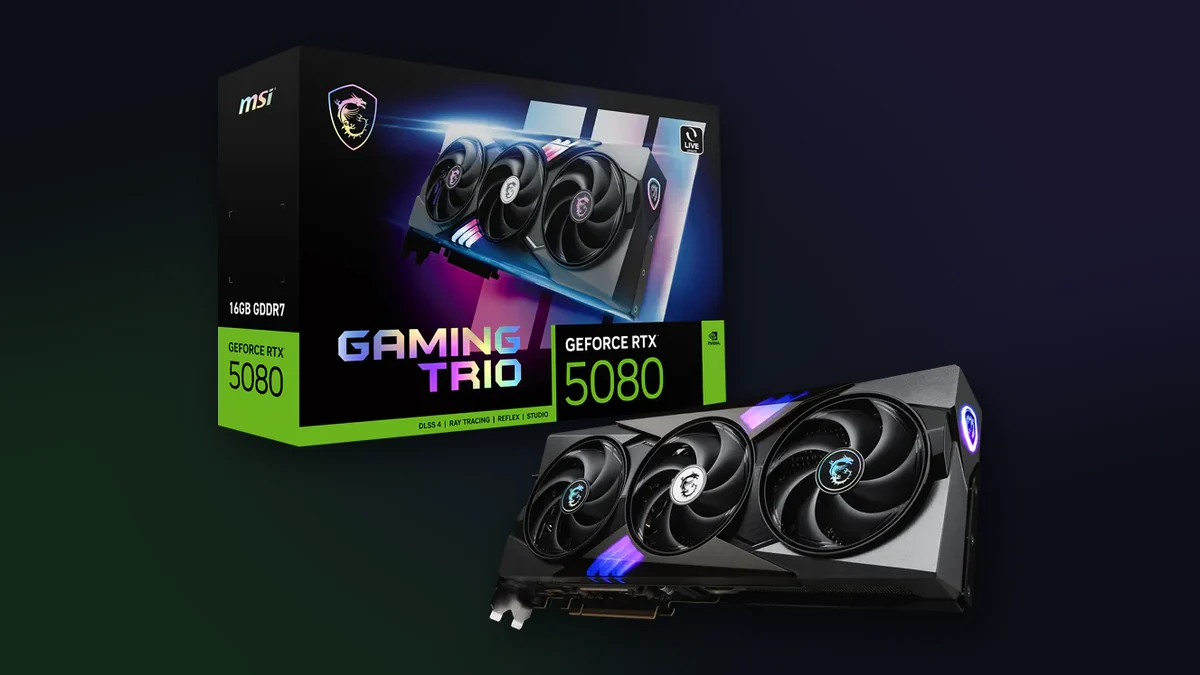
Supply pressure across the current graphics card generation is tightening once again. According to Chinese distribution channel data compiled in late November 2026 by industry tracker ChannelGate, MSI is reportedly among the first major NVIDIA board partners to face a sharp contraction in GeForce RTX 50 shipments. After already constrained allocations throughout October, factory-to-distributor volumes are said to have dropped even further in November, leaving wholesalers with minimal or near-zero stock on several key models.
Neither MSI nor NVIDIA has issued an official statement confirming these figures, and the report specifically tracks Chinese distribution channels. Even so, because mainland supply chains sit at the heart of Add-in Card (AIC) manufacturing, bottlenecks reported there frequently act as an early warning indicator for European and North American retail shelves heading into the holiday season.
RTX 5080, RTX 5070 Ti, and RTX 5060 Hit Hardest by Tight Allocations
Factory and distributor feedback points to a sharply uneven split across MSI's Blackwell lineup. Three of the most sought-after tiers for PC gamers are reportedly bearing the brunt of the squeeze, with downstream partners struggling to secure meaningful quantities for November.
By contrast, MSI's outgoing volume is reportedly leaning heavily on the GeForce RTX 5060 Ti 8GB as its primary shipment model this month, followed by the GeForce RTX 5070 in relatively steadier supply. That relative cushion does not mean cards are plentiful on retail shelves, only that they are less choked than the rest of the stack. As for the flagship GeForce RTX 5090, the card barely registers in routine distributor allocations given how scarce it has remained across the market.
| MSI GeForce RTX 50 Model | Reported November 2026 Channel Supply | Practical Impact for Buyers |
|---|---|---|
| GeForce RTX 5080 | Severely restricted | Minimal to near-zero distributor allocations |
| GeForce RTX 5070 Ti | Severely restricted | Heavy squeeze across the 1440p and 4K tier |
| GeForce RTX 5060 | Heavily constrained | Entry-level Blackwell stock hard to replenish |
| GeForce RTX 5060 Ti 8GB | Primary MSI volume model | Steadiest flow, though far from abundant |
| GeForce RTX 5070 | Relatively better availability | Less restricted than higher-VRAM siblings |
| GeForce RTX 5090 | Chronically scarce outside normal flow | Persistently limited flagship availability |
NVIDIA Allocation Cuts and GDDR7 Memory Pressure Converge
MSI's reported bottleneck does not exist in isolation. It surfaces right after Board Channels leaks indicated that NVIDIA is cutting gaming GPU deliveries by another 20% to 30% across its fiscal fourth quarter, spanning November 2026 through January 2027. Foundry wafers and advanced packaging remain heavily prioritized for AI data center accelerators, leaving less silicon for consumer graphics cards during peak winter demand.
Memory pricing adds a second layer of friction. Elevated GDDR7 and system DRAM costs continue to weigh on board manufacturing, reflecting broader DRAM pricing pressure projected to peak in 2027 before meaningful relief arrives. Earlier in November, ChannelGate data had already documented steep distributor price increases from MSI in China, ranging from 1,300 to 8,000 yuan on RTX 5080 cards and 800 to 4,000 yuan on RTX 5070 Ti variants.
With current-generation volumes running thin, several board partners have even encouraged Asian distributors to lean back on older GeForce RTX 3060 and RTX 3050 stock to keep budget builds moving. If upstream quotas remain this tight into early 2027, competing AIC brands could easily run into similar inventory walls.
What PC Gamers Outside China Should Expect
It is still too early to call an immediate global sellout. ChannelGate tracks Chinese wholesale distribution, and western retailers still list multiple MSI GeForce RTX 50 cards in stock, albeit often in thin quantities per SKU. Supply chains also carry regional buffer inventory that delays how quickly factory shifts hit local storefronts.
What the report does signal, however, is a grim setup for anyone waiting on deep holiday discounts. Between leaner allocations and sticky VRAM costs, buyers shopping for an RTX 5080 or RTX 5070 Ti are far more likely to see patchy restocks and stubbornly elevated street prices than meaningful markdowns before January.
My Test Bench
Looking at how MSI's shipments are allegedly skewing, the pattern makes immediate engineering sense to me. Prioritizing the 8GB RTX 5060 Ti and the 12GB RTX 5070 while 16GB GDDR7 cards like the RTX 5070 Ti and RTX 5080 dry up points straight at memory cost and allocation math. My practical advice is straightforward: if your current graphics card still hits your target frame rates, sit tight and ignore panic markups. If you genuinely need an upgrade before the end of the year, compare listings patiently and avoid paying inflated shortage premiums triggered by early supply-chain rumors.

PC hardware enthusiast and competitive gamer, Arthur 'Heimdall' splits his time between France and the UK working in enterprise B2B software solutions. A business school graduate passionate about component benchmarking, he has been building, modding, and tuning PCs since childhood, optimizing every thermal degree and millisecond of display latency. An avid gamer across Assassin's Creed and sandbox titles, he forged his alliance with Grimtag and Chaya during late-night World of Warcraft raids before joining Pro-Gamer.