GTA 6: Rewritten Aircraft Physics, Protagonist-Grade NPCs, and Spatial Audio Detailed by Rockstar
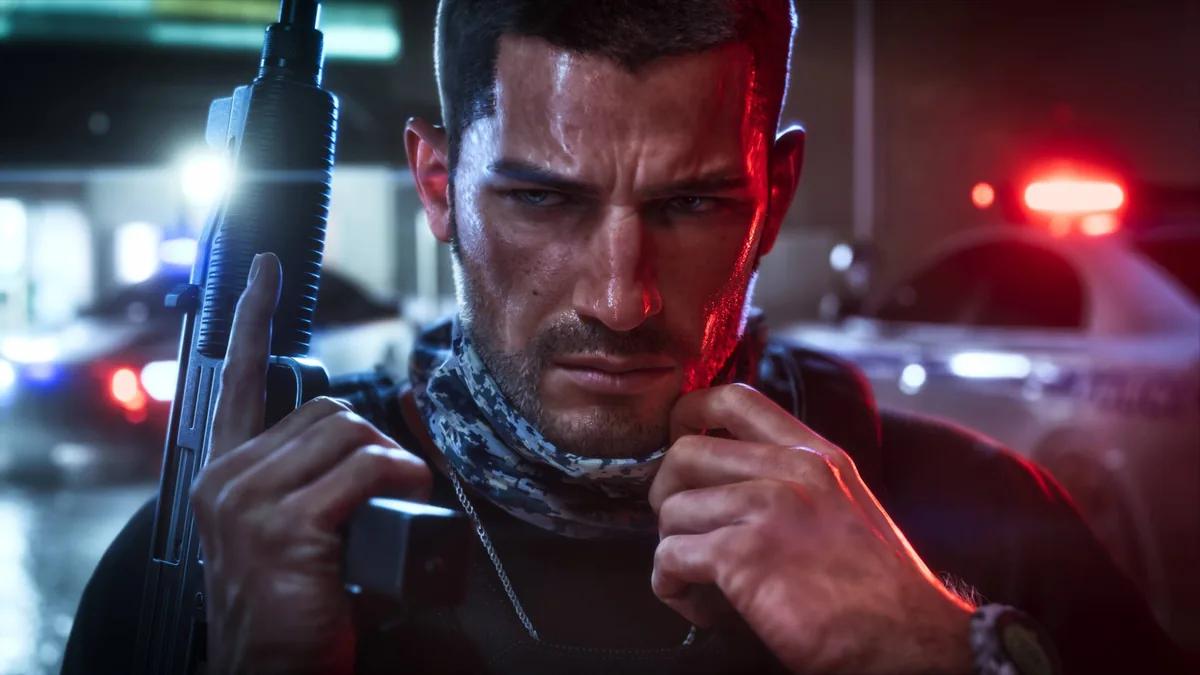
Thirteen years separate Grand Theft Auto V from the launch of Grand Theft Auto VI on consoles. In a wide-ranging technical interview granted to the specialist press, more than a dozen senior leaders at Rockstar Games, from co-founder Sam Houser and Head of Development Rob Nelson to the studio's physics, audio, animation, and design directors, opened up on how Leonida was built under the hood.
Beyond the usual release-window excitement, their remarks outline several major structural shifts inside Rockstar's technology stack: a ground-up rewrite of vehicle physics across every class, the end of lower-tier background pedestrians, a wind-reactive spatial audio system, and a more flexible approach to mission design.
Vehicle Physics Rewritten From Scratch, Down to Individual Airfoils
When it comes to driving and flying, Rockstar did not simply tweak legacy handling tables. Ben Lyons, Technical Director of Physics, revealed that the studio completely rewrote the vehicle simulation for every vehicle type to deliver higher authenticity and responsiveness.
Aircraft illustrate the scale of that overhaul. According to Lyons, planes individually simulate every airfoil, propeller, control surface, and engine type, all reacting dynamically to cloud turbulence and shifting weather. Damage and structural breakage are also calculated part by part, forcing pilots to fight a compromised aircraft in realistic ways to avoid crashing.
No More Lower-Spec Crowds: Every NPC Leveled With Jason and Lucia
The generational jump is just as apparent in Leonida's population. Valmor Garcia, Senior Technical Art Director for Dynamic Art, explained that Rockstar moved away from the lower-spec "monolithic NPCs" used behind the main cast in GTA V and Red Dead Redemption 2.
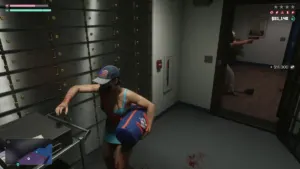
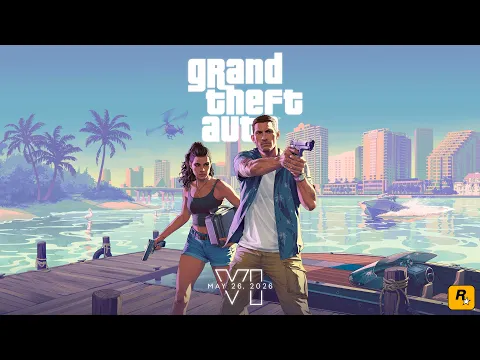
Every world NPC in GTA 6 now carries unique anatomy, distinct facial features, dynamic moods, and situational awareness built to the same visual benchmark as protagonists Jason Duval and Lucia Caminos. Garcia called it the first time the studio has consistently leveled its entire character cast across a full open world.
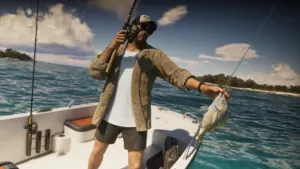
Environment artists matched that density with hand-curated storytelling. Adam Cochrane (VP of Art: Environment) pointed to small details placed across the map, from swaying bunting and puddles beneath dumpsters to overgrown yards outside unoccupied homes, avoiding copy-pasted interiors. Before decorating any space, Miriam Bellard (VP of Art: Visual Development) noted that artists role-play the fictional inhabitants, asking whether they hired an architect or took a DIY approach, whether they chase prestige or practicality, and how tidy or chaotic their taste might be.
A New Spatial Audio Engine Built Around Wind and Architecture
Sound design follows the exact same local logic. Vice President of Audio Alastair Macgregor disclosed that Rockstar engineered a brand-new system to capture dialogue dynamic range and model how speech propagates through space. Street conversations carry farther or fade depending on the wind, embedding voices naturally into the soundscape rather than floating awkwardly on top of the mix.
Years of iteration on reverb technology also give each region its own acoustic footprint. Walking through Port Gellhorn sounds unmistakably different from the dense high-rise canyons of downtown Vice City, where backfiring exhausts, overhead helicopters, and birds echo sharply between glass towers.
Open-Ended Missions, Chain-Reaction Police AI, and Faster Pacing Than RDR2
Rockstar also addressed one of the loudest long-standing criticisms of its modern catalog: overly rigid mission scripting. Vice President of Technology David Hynd explained that the team embraced an open-ended philosophy across all content types specifically to reduce Mission Failed screens when players experiment or test creative solutions. Senior Design Director of Missions Luke Howard described the result as the most seamless transition in and out of story missions the studio has ever shipped.
Vice President of Design Stephen Donkin added that blurring the line between on-mission and off-mission play forced the studio to anticipate endless systemic collisions. If a police officer is conducting a stop-and-search on another criminal and the player commits a crime right in front of them, the game must compare crime severity, decide whether the officer switches targets, and determine what the original suspect does if they flee and the player follows them. On the movement side, Gameplay Animation Director Mike Jones confirmed that GTA 6 targets a faster, snappier rhythm than the deliberate, slower heartbeat of Red Dead Redemption 2 while retaining realistic weight. That focus on tight pacing echoes earlier disclosures on why Rockstar North cut tennis, home decorating, and cinema visits from GTA 6.
Phased Production, 25-Year UI DNA, and a Future Platform
Wrapping up a production of this magnitude required abandoning the idea of a single studio-wide lock date. Co-Head of Development Phil Hooker explained that Rockstar brought GTA 6 home in passes, locking down certain areas early to contain risk while allowing other teams to keep iterating right up to the finish line. Meanwhile, VP of 2D/UI Design Stuart Petri highlighted the challenge of keeping 25 years of visual heritage intact (the Pricedown font, mini-map, wanted stars, and Wasted screen) inside a minimal HUD, while Associate UI Director Sam Grosset noted that accessibility features like larger text, minimal layouts, and sprint control options were built in from day one.
Asked about a possible single-player story expansion, Rockstar stayed noncommittal, replying only that the team is focused on launching this new chapter, matching the studio's restrained messaging on the official Rockstar Games website. Still, Donkin offered a telling look at the years ahead, calling GTA 6 not just a game, but "a technical foundation and a platform for us to move into the future with". That framing lines up cleanly with previous comments explaining why parts of Leonida's map were built with future additions in mind.
My Field Notes
What stands out most across these engineering notes is not raw visual spectacle, but how directly Rockstar confronted the three friction points that followed its games for a decade. Mission rigidity, heavy on-foot animation lag, and the visual gap between story leads and street crowds were the clearest weak spots in the studio's post-2013 formula. Hearing Hynd, Jones, and Garcia address those exact bottlenecks in plain language shows a studio that genuinely audited its own habits before building Leonida.
Donkin's line about laying down a "technical foundation and platform" is the real long-term signal here. With a much larger team where many developers are shipping their first Rockstar title, the true test over the next few years is whether this rewritten engine architecture lets the studio sustain Leonida and move onto its next wave of projects without another thirteen-year wait.

Grand Theft Auto 6 (GTA 6)
Explore official trailers, technical specs and all latest coverage for Grand Theft Auto 6 (GTA 6).
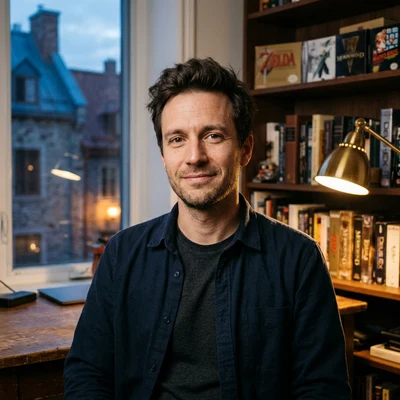
Originally from Lyon, France, gaming journalist Bastien "Orion" relocated nearly a decade ago to Quebec City's Saint-Roch district, right in the heart of eastern Canada's development studio hub. Before crossing the Atlantic, he honed his versatile reporting style across classic French gaming web portals and specialist television outlets in the 2000s and 2010s, notably with JeuxVideo.fr and JeuxNews. Equally passionate about AAA blockbusters, North American studio culture, retro preservation, and community modding projects, he anchors Pro-Gamer's transatlantic desk and real-time coverage of US and Japanese industry announcements.