One Microscopic PCB Corner Scuff: How G.Skill Can Void Your Lifetime RAM Warranty
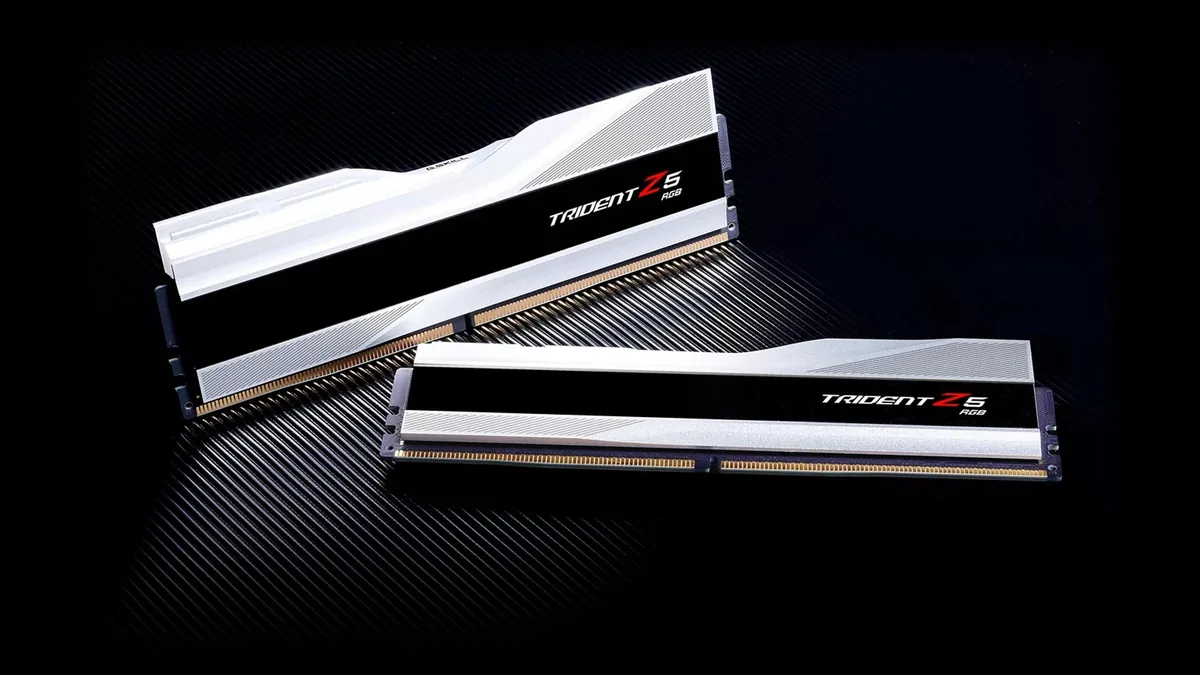
A microscopic mark on the outer corner of a memory stick can be enough to void a G.Skill RAM warranty marketed as lifetime coverage. A case shared by a PC builder on Reddit (r/pcmasterrace) has reignited a fierce debate over how strictly memory makers enforce physical damage clauses while DRAM prices sit near record highs.
After running into repeated Blue Screens of Death (BSODs) a few hours into gaming sessions, the owner sent a G.Skill Ripjaws V DDR4 kit in for a standard RMA replacement. Instead of shipping a fresh kit, G.Skill rejected the claim outright and returned the faulty sticks, citing physical damage and external impact on the printed circuit board (PCB).
Cosmetic Edge Wear Far From Any Traces, Yet Zero Exceptions
To back up the rejection, G.Skill's RMA team sent a macro photograph highlighting a tiny scuff on the extreme outer edge of the PCB corner. That area contains no gold contact pins, no copper traces, no surface-mount components, and no memory ICs.
The customer argued that minor corner wear like this is purely cosmetic and can easily happen during normal insertion into tight motherboard DIMM slots or standard handling. Even after requesting a supervisor review, G.Skill upheld the denial and refused to replace the dual-channel kit.
Independent hardware repair technicians, including VIK-on, note that the issue sits in a gray area. While normal slot seating can leave minor edge scuffs with zero electrical impact, localized corner stress or early PCB delamination from a drop can still trigger automatic physical-damage rejections under rigid factory screening rules.
What the Official G.Skill RAM Warranty Actually Covers
Reading the fine print on the official G.Skill Warranty Policy shows just how much discretion the manufacturer retains once a kit reaches its inspection bench. Several clauses catch buyers off guard when they file their first claim.
- Mandatory visual screening: Under the official G.Skill RMA Policy, every returned stick goes through an individual visual check for physical damage or abuse. Modules flagged as damaged are sent back unreplaced, and G.Skill reserves the right to charge extra administration and return shipping fees.
- Broad physical exclusions: Coverage excludes normal wear and tear, damage attributed to improper handling or installation, altered or damaged serial stickers, and any damaged, chipped, bent, or eroded parts, connectors, or heatspreaders.
- What lifetime really means: G.Skill's footnote explicitly defines lifetime as the period during which that exact model number remains actively manufactured and supported. Once a specific SKU hits end-of-life (EOL) status, the limited lifetime warranty ends automatically, and it only applies to the original purchaser with proof of purchase from an authorized retailer.
Regional consumer law can still provide an important safety net. G.Skill's policy expressly acknowledges that local statutory protections apply outside the United States, including the mandatory two-year minimum reseller warranty across the European Union and non-excludable consumer guarantees in jurisdictions like Australia.
Why Strict RMA Denials Hurt Much More in Late 2026
Strict warranty enforcement stings far harder when replacing memory out of pocket is painfully expensive. Right on its own warranty and RMA pages, G.Skill currently displays a notice warning buyers that DRAM prices are experiencing heavy global volatility due to severe supply constraints and unprecedented AI data center demand.
With AI contracts locking up Samsung's DRAM and DDR5 output for years, retail memory kits remain costly to replace. Late November 2026 market tracking from TrendForce notes that even as high prices cool mainstream buyer appetite, DDR5 supply remains structurally tight heading into 2027.
Those inflated costs are already changing how PC gamers configure their rigs, as seen in the first-ever PC RAM capacity decline recorded by CPU-Z. When a 32GB or 64GB kit represents a major chunk of a build budget, a surprise RMA denial over a tiny PCB scuff feels like a serious financial hit.
My Workbench Take: How to Protect Yourself Before Any RAM RMA
After swapping countless memory kits across test benches, I know how unforgiving motherboard DIMM latches can be on PCB edges after just a couple of installs. Seeing a genuinely unstable kit turned away over a microscopic corner blemish nowhere near a trace makes the phrase lifetime warranty feel far less reassuring than it looks on retail packaging.
If you ever need to RMA a faulty kit with G.Skill or any other memory vendor, I strongly recommend taking three steps before sealing the box:
- Take dated macro photos under bright light: Shoot both sides of every stick, all four PCB corners, the gold contact fingers, and the serial number stickers before packing them.
- Ship in rigid protective packaging: G.Skill requires returning every stick in a matched kit together, forbids standard mailing envelopes, and holds senders responsible for transit damage.
- Check retailer protection first: If your kit is still within your local retailer's return window or regional statutory warranty period, claiming through the store is often faster and less risky than international manufacturer RMA screening.
Without clear pre-shipment photos, you have no way to prove whether a tiny corner mark happened in transit or was never there to begin with. In today's DRAM market, spending two minutes documenting your hardware before mailing it out is the cheapest insurance you can get.

PC hardware enthusiast and competitive gamer, Arthur 'Heimdall' splits his time between France and the UK working in enterprise B2B software solutions. A business school graduate passionate about component benchmarking, he has been building, modding, and tuning PCs since childhood, optimizing every thermal degree and millisecond of display latency. An avid gamer across Assassin's Creed and sandbox titles, he forged his alliance with Grimtag and Chaya during late-night World of Warcraft raids before joining Pro-Gamer.