Why PlayStation Father Ken Kutaragi Intentionally Pushed Microsoft to Build the Xbox
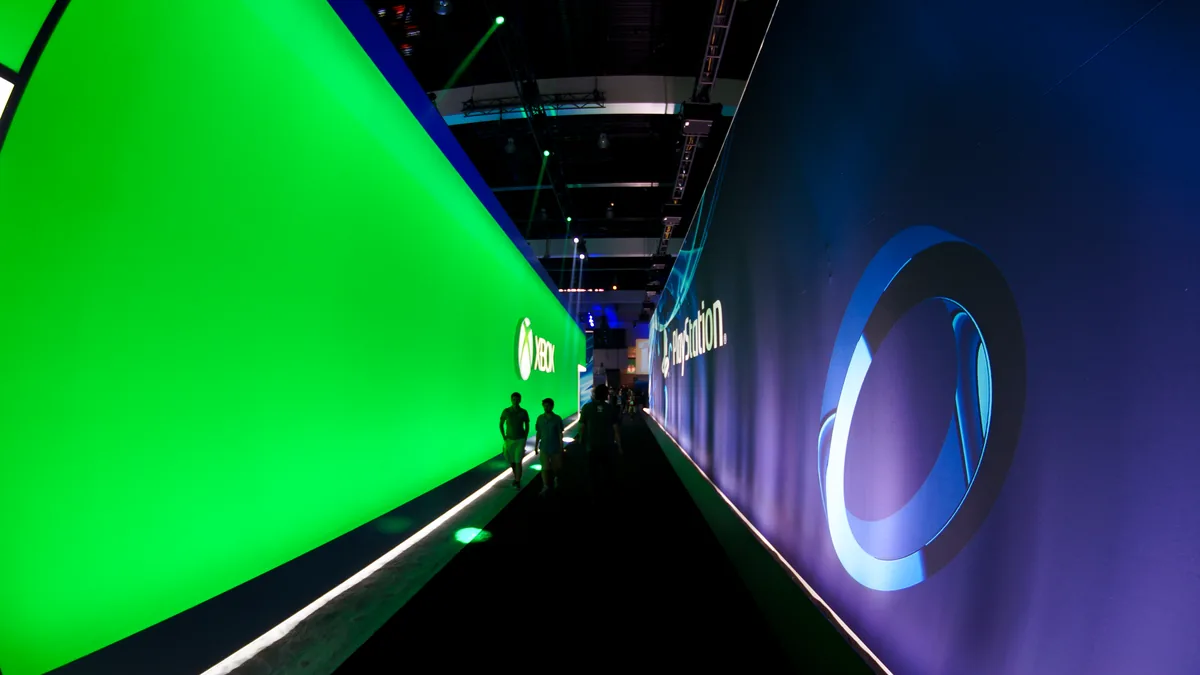
Twenty-five years after the original Xbox launched in November 2001, one of gaming's defining console rivalries just gained an unexpected origin twist. Speaking on stage at the Game Republic New Horizons conference in Middlesbrough, in a video interview with Christopher Dring published on November 24, 2026 by The Game Business, Ken Kutaragi claimed he deliberately nudged Microsoft into building its own gaming hardware.
In the same candid appearance where he dismantled three decades of PlayStation revenge lore against Nintendo, the former Sony Computer Entertainment CEO recounted a pivotal one-on-one meeting with Microsoft's top leadership. According to Kutaragi, his blunt refusal was never just a dead end: it was a calculated gamble.
Free Hard Drives and a Blunt "No" in a One-on-One Meeting
The encounter took place prior to the Xbox's debut, at a moment when Sony was proving that real-time 3D graphics belonged in the living room. Kutaragi recalled meeting face-to-face with the head of Microsoft, without naming the executive directly. After demonstrating Sony's home 3D technology, Kutaragi says the conversation quickly turned chilly.
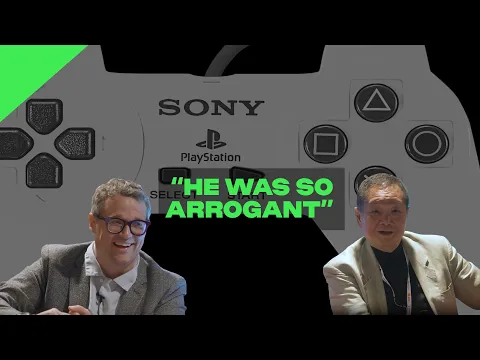
Describing his counterpart as "so arrogant," the father of the PlayStation explained that Microsoft attempted to win Sony over with a hardware-and-licensing offer designed to tie the two companies together:
"I had the chance to meet with the head of Microsoft one-to-one. He was so arrogant. I showed him what we were developing for real-time 3D graphics in the home. He said, 'Okay, we will send free hard disk drives to Sony, and give some license rights to them.' He tried to convince me. I said only one word: 'No.'"
On paper, subsidized hard disk drives were no small offer at the turn of the millennium, when internal storage was still absent from mainstream consoles. Yet Kutaragi shut the proposal down on the spot with a flat "No, thanks," convinced that rejecting Microsoft would trigger a much bigger shift across the industry.
"That Was My Secret Intention": Pulling Microsoft Beyond the PC
Now 76 and serving as CEO of Cyber AI Entertainment, Kutaragi framed his rejection as an act of reverse psychology meant to expand the console market rather than guard Sony's turf. He wanted Microsoft to move beyond PC gaming and pour real resources into dedicated console hardware.
"I was not so super arrogant as they were, but I had a dream: if I said no, they would start to bring in another games platform after PC. That was my secret intention. They did, spending huge amounts of money on it. After that, we worked together to open up this field. That was very intentional."
There is a fitting historical symmetry to the story. When the original Xbox arrived in North America on November 15, 2001, one of its headline features was a built-in hard drive as standard hardware. While Microsoft's own history usually attributes the Xbox to internal fears that the PlayStation 2 would take over the living room from Windows PCs, Kutaragi presents his refusal as the spark that set the whole rivalry in motion.
A Quarter-Century Rivalry at a New Crossroads
Whether Kutaragi truly foresaw a 25-year console war in that room or is enjoying the hindsight of a veteran architect, the outcome reshaped modern gaming. Microsoft's heavy investment forced Sony to evolve beyond the PS2's dominance, accelerating online multiplayer infrastructure, HD console standards, and developer-friendly architectures across multiple generations.
The anecdote lands at a particularly telling moment in late 2026. Twenty-five years after the Xbox first challenged PlayStation, the balance between both ecosystems looks dramatically different, with rising hardware costs and renewed debate over Microsoft's evolving stance on Xbox exclusives raising fresh questions about what healthy console competition will look like next.
My Take
I always take decades-old executive origin stories with a healthy pinch of salt, because hindsight makes every tough negotiation sound like four-dimensional chess. Even so, Kutaragi's underlying point holds up completely: PlayStation needed a rival on Microsoft's scale. Without the pressure of the original Xbox and the Xbox 360, Sony would never have been pushed as hard on online services, developer tools, or the rebound that defined the PS4 era. Looking at how lopsided console hardware competition feels today, players benefited enormously from Microsoft taking that bait.

SEO consultant for over 20 years and digital entrepreneur, Charles "Grimtag" is the founder of Pro-Gamer.gg, Retrocharting.com, and Gamescharting.com. A competitive gamer, streamer, and retro game collector, he has worked in the video game industry for over 15 years, notably as a consultant for leading game price comparison platforms. Passionate about real-time performance data and gaming technology, he analyzes competitive esports, gaming hardware benchmarks, and creator workflows on Pro-Gamer.gg with an authentic player perspective.