Red Dead Redemption Movie: Rockstar Reportedly Wants $100 Million for the Rights While Keeping GTA Off Limits
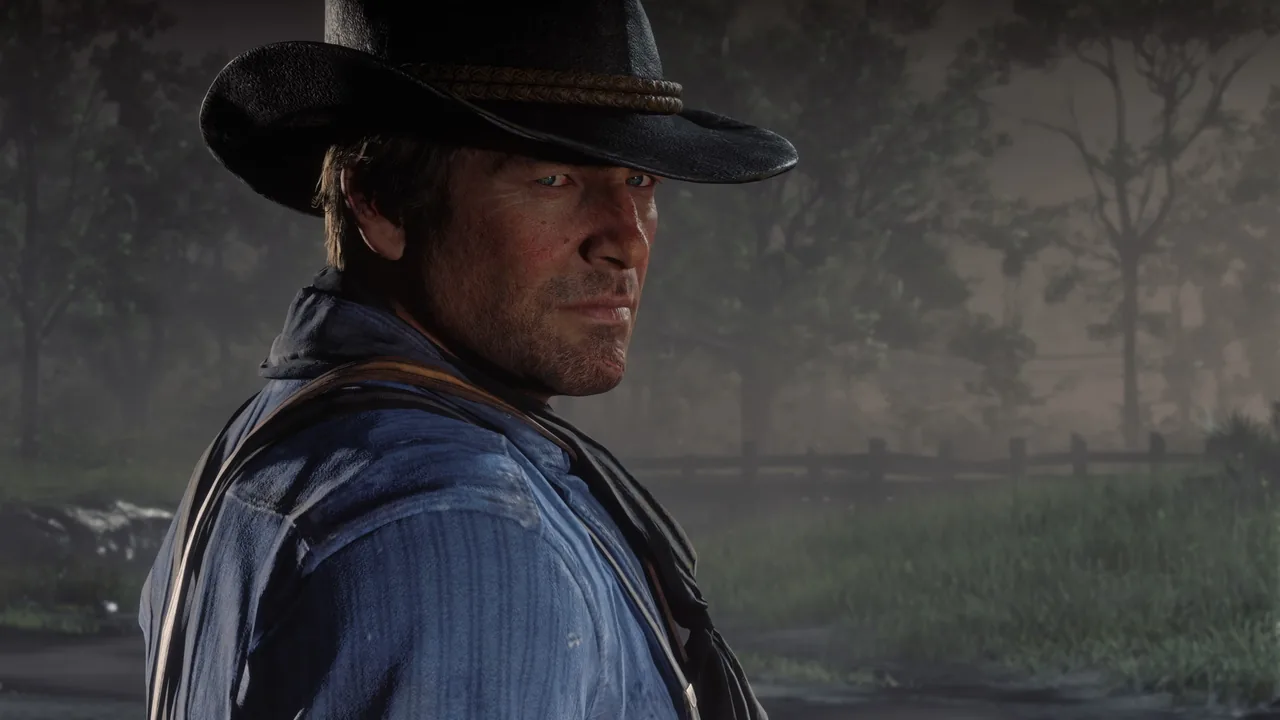
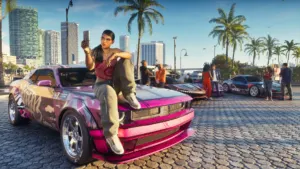
While the entertainment industry is still processing the historic launch of Grand Theft Auto VI, Hollywood studios continue knocking on Rockstar Games' door. According to a new report from entertainment business newsletter The Ankler, the studio has softened its long-standing reluctance toward screen adaptations for one flagship franchise while keeping an iron lock on the other.
Industry sources and agents cited in the report say Rockstar Games is now more open to licensing Red Dead Redemption for a feature film or television series. By contrast, the developer continues to shut down any talk of a live-action Grand Theft Auto movie or show, turning away eager Hollywood suitors despite relentless demand.
A $100 Million Starting Price Just for the License
Turning Rockstar's acclaimed Western into a prestige movie or series will not come cheap. An unnamed industry agent speaking to The Ankler claimed that Rockstar floated a minimum asking price exceeding $100 million solely for the intellectual property licensing rights to Red Dead Redemption.
Neither Rockstar Games nor parent company Take-Two Interactive has officially confirmed any active deal or production. Crucially, that nine-figure baseline would cover only the rights themselves, before a single dollar is spent on casting, filming, visual effects, or global marketing. For Hollywood context, Amazon famously paid $250 million for the global television rights to The Lord of the Rings.
The figure reflects how dramatically leverage has shifted toward top-tier gaming publishers. Take-Two does not need a box office showcase to keep its Western epic relevant. In its most recent quarterly earnings report, the publisher confirmed 89 million copies sold for Red Dead Redemption 2 worldwide, proving that the franchise remains a commercial powerhouse eight years after release.
Why Grand Theft Auto Stays Strictly Off the Table
Rockstar's refusal to let Hollywood touch Grand Theft Auto follows a cold, pragmatic logic. GTA has outgrown standard gaming metrics to become the single most lucrative entertainment property on the planet. With billions already pouring in from GTA 6 and more than 235 million units shipped for GTA 5, handing creative control of the series to an outside film studio offers minimal financial upside and massive brand risk.
That stance echoes years of public comments from Take-Two Interactive CEO Strauss Zelnick. On multiple occasions, Zelnick has pointed to the stark gap in hit ratios between interactive entertainment and cinema. While Take-Two's flagship console releases achieve an 80% to 90% success rate, even a well-run Hollywood studio operates closer to a 30% hit ratio.
From Take-Two's perspective, gambling a multi-billion-dollar cultural juggernaut on a roughly 70% chance of a theatrical miss simply does not add up. A poorly received movie could dilute the brand's prestige for years in exchange for licensing revenue that barely registers on Take-Two's balance sheet.
A Western Built for Prestige Television or Cinema
Red Dead Redemption is a very different creative equation. Unlike GTA's sprawling interactive satire, the twilight tragedy of Arthur Morgan, John Marston, and the Van der Linde gang already reads like prestige cinema. Its grounded characters, slow-burn pacing, and classic American Western themes translate naturally to the screen without losing their core identity.
Hollywood's appetite for major gaming properties has also reached an all-time high after the critical and commercial breakthroughs of The Last of Us and Fallout. Studios are willing to commit blockbuster budgets to secure proven worlds, as seen with A24 and Bandai Namco's near-$200 million Elden Ring movie. If a streaming giant or major studio is willing to meet Rockstar's steep entry fee, Red Dead Redemption could easily become the next marquee adaptation.
My Take
Asking for $100 million before a single page of script is written sounds outrageous on paper, yet it makes complete sense from Rockstar's side of the negotiating table. Red Dead Redemption 2 still sells millions of copies every quarter, which means Take-Two holds all the cards and has zero pressure to discount its crown jewels. Keeping Grand Theft Auto away from Hollywood is equally smart. Condensing GTA into a two-hour movie would strip away the interactive freedom that defines it, whereas a high-budget limited series capturing the rise and collapse of the Van der Linde gang has genuine prestige-TV potential, provided Rockstar never surrenders final creative approval.

SEO consultant for over 20 years and digital entrepreneur, Charles "Grimtag" is the founder of Pro-Gamer.gg, Retrocharting.com, and Gamescharting.com. A competitive gamer, streamer, and retro game collector, he has worked in the video game industry for over 15 years, notably as a consultant for leading game price comparison platforms. Passionate about real-time performance data and gaming technology, he analyzes competitive esports, gaming hardware benchmarks, and creator workflows on Pro-Gamer.gg with an authentic player perspective.