11 Days After Resigning and Colette Kress Ruling Out His Return, NVIDIA Unanimously Reinstates Jensen Huang as CEO as Stock Surges 27%
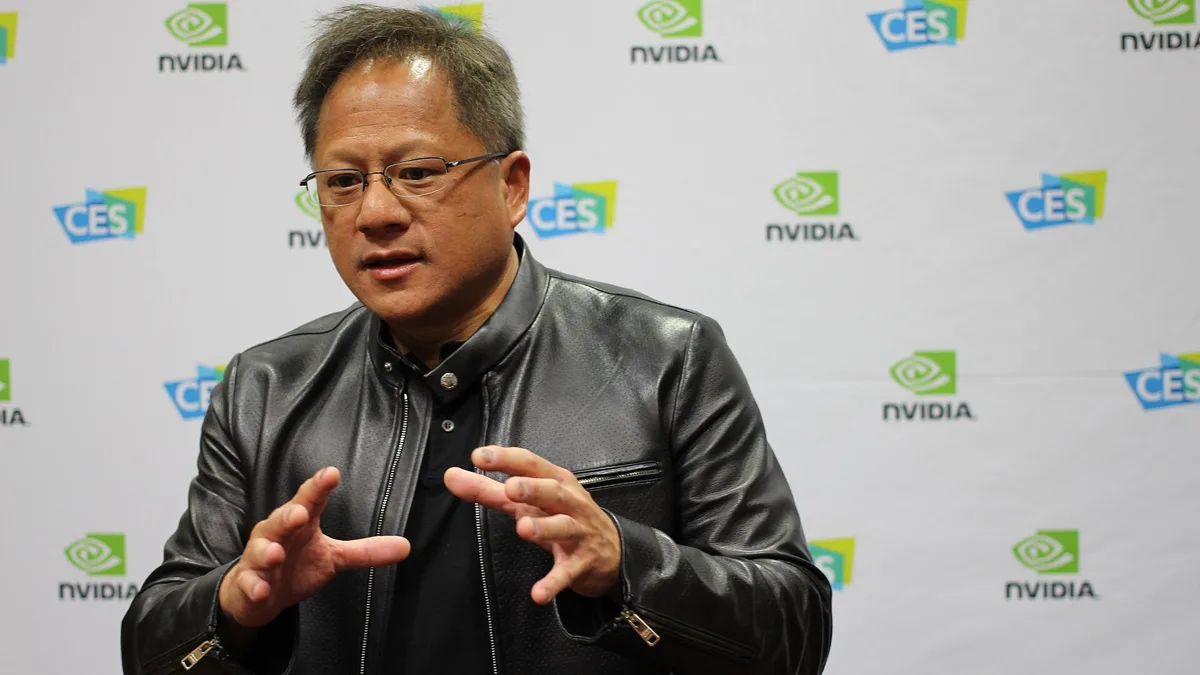
One of the most dramatic corporate governance crises in Silicon Valley history has just taken a stunning 180-degree turn. Exactly eleven days after his abrupt resignation on November 12, Jensen Huang has been officially reinstated as President, Chief Executive Officer, and a member of the Board of Directors at NVIDIA (NASDAQ: NVDA), effective immediately.
In an official press release issued on Monday, November 23, 2026, NVIDIA announced that its Board of Directors voted unanimously to bring back the company's co-founder. The reversal ends an 11-day leadership vacuum that saw NVIDIA's stock price plunge 42% between late October and November 20 amid investor panic and regulatory scrutiny.
A Sudden U-Turn Days After Colette Kress Ruled Out His Return
The Board's unanimous vote directly contradicts the public stance taken by NVIDIA's interim leadership less than a week ago. While the Board initially courted Arm CEO Rene Haas to succeed Jensen Huang, Chief Financial Officer and Interim CEO Colette Kress had publicly shut the door on Huang's comeback during an appearance on CNBC's Mad Money.
At the time, Kress stated unequivocally that the Board had accepted Huang's resignation and "decided that it will not reinstate Jensen," despite an online "Stand with Jensen" petition gathering more than 180,000 signatures from employees and retail shareholders. However, after NVDA shares slid from their October 28 peak of $215.38 down to $125.53 by Friday's close, erasing hundreds of billions of dollars in market value, the Board reconsidered its position.
"The Board believes Jensen is the right person to lead NVIDIA, and that his reinstatement is in the best interests of our stockholders, employees, partners and customers."
Harvey C. Jones, Chair of the NVIDIA Board of Directors
Wall Street reacted immediately to the Monday announcement: NVDA stock surged between 27% and nearly 30% in pre-market and early trading, clawing back a massive portion of the losses suffered during the eleven-day interim period.
U.S. Government Security Clearance and New Board Oversight
To explain the rapid reversal following earlier disclosures of a personal matter and inquiries surrounding Singapore-based intermediary Megaspeed, the Board cited two decisive factors. First, directors held a series of extensive meetings with Huang, concluding that they were fully satisfied with his "candor and ability to lead NVIDIA."
Second, the official statement revealed that the Board received direct input from senior levels of the United States government. Based on those federal consultations, the Board stated that it is confident Huang's return as CEO poses no national security risk.
Even with Huang back in the chief executive chair, Santa Clara's corporate governance structure has been permanently tightened:
- Colette Kress steps down as Interim CEO and returns exclusively to her role as Executive Vice President and Chief Financial Officer (CFO).
- Harvey C. Jones, a board director since 1993 and former Synopsys CEO, remains in place as NVIDIA's first-ever independent Chair of the Board.
- Independent investigation continues: The special committee of independent directors, assisted by outside legal counsel, will carry its investigation into the foreign intelligence effort that targeted Huang through to completion, with Huang's full cooperation.
- Export control oversight and a new CCO role: The newly created National Security and Export Control Oversight Committee, chaired by director Suzanne Nora Johnson alongside Stephen C. Neal and John O. Dabiri, will oversee trade compliance, while NVIDIA has launched a search for a new Chief Compliance Officer (CCO) reporting directly to the Nominating and Corporate Governance Committee.
What Huang's Return Means for PC Gamers and GeForce RTX 50 Supply
In his official statement, Huang said he was honored to return to NVIDIA "with the greatest humility and renewed commitment," adding that he could not wait to get back to work. For PC builders, however, the founder's return keeps the spotlight on how NVIDIA allocates its TSMC wafer capacity and GDDR7 memory modules.
In its most recent quarter, NVIDIA generated $107.6 billion from its Data Center division compared to $8.2 billion from Gaming and edge computing (just 7.1% of total revenue). With the new Export Control Committee and ongoing SEC inquiries tightening oversight over grey-market AI cluster shipments to overseas brokers, PC gamers will be watching closely to see whether tighter compliance frees up silicon capacity to bring GeForce RTX 5080 and RTX 5090 retail pricing back toward MSRP.
My Test Bench
Unanimously accepting a CEO's resignation on November 12, going on CNBC to declare he will never return, and then unanimously voting him back in eleven days later after a 42% stock rout shows exactly what drives corporate decisions when hundreds of billions in market cap evaporate. Jensen Huang is back at the helm, but the guardrails around him are completely different now. With Harvey C. Jones retaining the independent Board Chair seat, Suzanne Nora Johnson heading the new National Security and Export Control Committee, and an independent Chief Compliance Officer incoming, the era of unchecked AI server shipments through opaque overseas brokers is facing a hard audit. If stricter export compliance stops speculative brokers from hoarding GDDR7 and TSMC wafers, desktop PC builders waiting on fair GeForce RTX 50 street prices might finally catch a break.
PC hardware enthusiast and competitive gamer, Arthur 'Heimdall' splits his time between France and the UK working in enterprise B2B software solutions. A business school graduate passionate about component benchmarking, he has been building, modding, and tuning PCs since childhood, optimizing every thermal degree and millisecond of display latency. An avid gamer across Assassin's Creed and sandbox titles, he forged his alliance with Grimtag and Chaya during late-night World of Warcraft raids before joining Pro-Gamer.