TSMC N2X Silicon to Push Past 6.5 GHz: Why AMD's Zen 6 Desktop Ryzen CPUs Could Slip Past Computex 2027
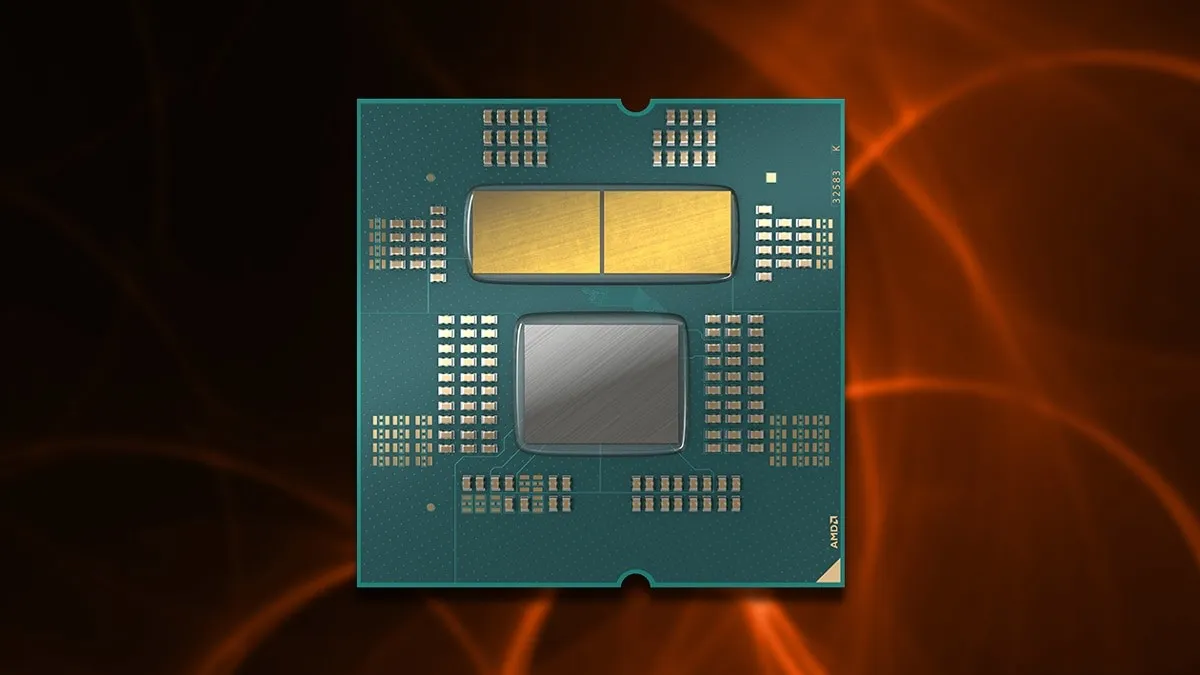
PC builders hoping to see next-generation AMD Ryzen Zen 6 desktop processors take center stage in Las Vegas this January may need to adjust their upgrade timeline. According to a hardware report shared on the Chiphell forums by reliable supply-chain insider Zhang Zhonghao, AMD has decided to upgrade the core compute chiplets of its upcoming Olympic Ridge desktop lineup (literally translated from Chinese as Olympic Peak) to TSMC's N2X manufacturing process. While this silicon shift unlocks substantially higher clock speed headroom, waiting for the N2X node's volume production schedule has reportedly pushed the desktop Zen 6 launch past Computex 2027 in June, pointing toward retail availability in the second half of 2027.
From TSMC N2P to N2X: Trading an Early Launch for 6.5+ GHz High-Voltage Silicon
Why would AMD accept a multi-month delay on its flagship desktop socket while Intel prepares its own next-generation desktop counteroffensive? The answer lies in the electrical characteristics of TSMC's 2nm-class (GAA Nanosheet) process family. Earlier roadmap leaks linked Zen 6 desktop compute dies (CCDs) to TSMC N2P, a multi-purpose 2nm node scheduled for late 2026 mass production that prioritizes power efficiency and logic density for mobile chips and mainstream server workloads.
By switching Olympic Ridge to TSMC N2X, AMD is tapping into the foundry's specialized "X-series" lineage (following N4X and N3X), engineered specifically for extreme-frequency high-performance computing. Unlike mobile-tuned nodes optimized for low-voltage operation between 0.6V and 0.8V, N2X deploys ultra-high-performance standard cells capable of sustaining higher maximum voltages above 1.2V across critical timing paths. At high thermal envelopes, this voltage tolerance delivers up to a 10% maximum frequency (Fmax) boost over baseline 2nm silicon.
- Targeting Clocks Beyond 6.5 GHz: moving the compute chiplets to TSMC N2X aligns directly with AMD's internal goal of pushing Zen 6 desktop frequencies well past the 6.0 GHz barrier, targeting boost clocks in the 6.5 GHz to near-7 GHz range.
- Unified 12-Core CCDs on AM5: the 2nm N2X node will power AMD's overhauled Zen 6 chiplet architecture featuring 12 physical cores per CCD, scaling dual-CCD desktop Ryzen processors up to 24 cores and 48 threads without cross-CCD latency penalties in 12-core gaming configurations.
- A Slimmer I/O Die and Chipset Design: alongside the CCD node upgrade, Zhang Zhonghao noted that the accompanying I/O and chipset silicon has been redesigned to be noticeably more compact (moving "from bulky to less bulky"), optimizing package layout under the AM5 integrated heat spreader.
How AI Data Center Demand and 3nm Laptop APUs Reshape AMD's CES 2027 Keynote
While the transition to TSMC N2X promises a steeper generational leap in raw gaming and single-threaded performance, it widens the gap between AMD's enterprise and consumer rollouts. Zhang Zhonghao pointed out that AMD would have released its Zen 6 desktop processors much sooner if not for the ongoing artificial intelligence boom. With hyperscale data centers absorbing every available leading-edge wafer, AMD is prioritizing early 2nm capacity for its high-margin 6th Gen EPYC "Venice" server processors.
This revised schedule also clarifies what to expect from Jack Huynh's January 5, 2027 keynote at CES in Las Vegas. With Olympic Ridge desktop CPUs shifting toward a mid-2027 Computex reveal and a second-half 2027 retail launch, AMD's January showcase is set to focus on client products built on mature nodes that do not compete with EPYC Venice for 2nm wafer allocation.
- 3nm Zen 6 Mobile Processors Lead the Way: upcoming Zen 6 laptop APUs (codenamed Medusa Point and Gorgon Point) reportedly rely on TSMC's 3nm (N3P) lithography, a mature high-yield node free from 2nm data center bottlenecks.
- Ryzen 9000X3D Holds the AM5 Frontline: until Olympic Ridge arrives in the back half of 2027, AMD will rely on its Zen 5 3D V-Cache lineup (led by the Ryzen 7 9800X3D and upcoming dual-cache X3D variants) to defend the AM5 desktop crown against Intel's 18A-P Nova Lake processors.
My Test Bench
As a PC builder, watching Zen 6 desktop CPUs slip past Computex 2027 is a bittersweet pill to swallow, especially knowing that AI data center demand is the primary reason gamers are left waiting in the queue for 2nm wafers. From a pure silicon engineering standpoint, however, ditching a mobile-oriented N2P node in favor of TSMC's high-voltage N2X process is the exact right call for desktop enthusiasts. A single 12-core CCD engineered to handle 1.2V+ and push toward 6.5 to 7 GHz on our existing AM5 motherboards will deliver a far more meaningful generational leap than a rushed January release ever could. If you are planning a high-end gaming build this winter, there is zero reason to hold your breath for CES: a Ryzen 7 9800X3D paired with a solid X870E or B850 board still has nearly a full year of unchallenged runway ahead of it.

PC hardware enthusiast and competitive gamer, Arthur 'Heimdall' splits his time between France and the UK working in enterprise B2B software solutions. A business school graduate passionate about component benchmarking, he has been building, modding, and tuning PCs since childhood, optimizing every thermal degree and millisecond of display latency. An avid gamer across Assassin's Creed and sandbox titles, he forged his alliance with Grimtag and Chaya during late-night World of Warcraft raids before joining Pro-Gamer.