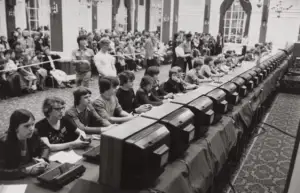
How Much Do Pro Gamers Actually Make in 2026? Realistic Salaries Across CS2, League, and Valorant
Pursuing a career as a professional gamer continues to attract ambitious players worldwide. But what does a competitive esports athlete actually earn in 2026? Here is a transparent, data-driven breakdown of modern player compensation, prize distribution, and revenue streams.
What Defines a Modern Pro Gamer?
A pro gamer is an elite competitor who commits full-time effort to professional esports, competing as an individual or within an organized roster across marquee titles (Counter-Strike 2, League of Legends, Valorant, Fortnite, Rocket League, or Apex Legends). Their primary objective: deliver peak competitive performance and capture tournament championships while representing their club and commercial sponsors.
Beyond raw mechanical talent, enduring career success hinges on ironclad discipline, high-pressure focus, flawless team communication, emotional resilience against burnout, and a constant drive to adapt to balance patches.
Daily Routine and Responsibilities of a Signed Pro
Competing at the highest level is a rigorous, structured profession built around intensive daily routines:
- Daily team practice lasting 6 to 8 hours to hone crosshair placement, tactical rotations, and split-second shot-calling.
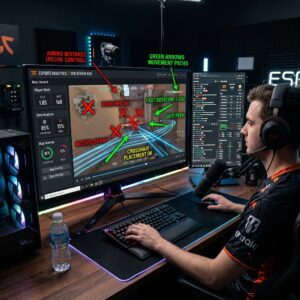
- In-depth VOD analysis, studying opponent match tendencies and counter-strat preparation.
- Physical conditioning, ergonomic stretching, and sports psychology sessions to manage stress.
- Community engagement via Twitch streaming, YouTube content creation, and active social media presence.
- Fulfilling commercial sponsor obligations, promotional activations, and photo shoots.
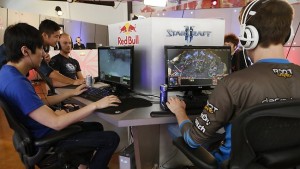
- Competing in grueling regional league schedules and traveling internationally for LAN tournaments.

Pro Gamer Salaries in 2026: Realistic Compensation Brackets
Modern esports player compensation has matured significantly following the market recalibration of recent years. While speculative mega-contracts have cooled, established franchises maintain healthy, sustainable compensation models. Pay varies widely based on title, skill tier, organization budget, and personal audience footprint:
| Competitive Tier | Monthly Base Salary (Net) | Frequent Additional Revenue Sources |
|---|---|---|
| Challenger / Academy / Semi-Pro | $1,500 - $2,500 | Local prize pool shares, small hardware stipends, affiliate gear codes |
| Established Regional Pro (Tier 2 / National) | $3,500 - $7,000 | Merchandise revenue cuts, team streaming splits, regional brand deals |
| Tier 1 International Pro (VCT, LEC, CS2 Majors) | $10,000 - $25,000 | Major prize pools, publisher in-game skin/capsule revenue, commercial likeness deals |
| Global Superstar / Franchise Player | $1,000,000+ / year | Multi-million dollar global sponsorships, equity options, high-value streaming deals |
Primary Drivers Influencing Player Salaries
- Competitive Track Record: Consistent international playoff appearances, MVP awards, and regional trophies.
- Title Ecosystem Health: Robust publisher-backed leagues (such as Riot's VCT and LoL ecosystems or Valve's open CS2 circuit) offer far more financial stability than unfranchised scenes.
- Personal Brand & Follower Reach: High average live viewer counts on Twitch or YouTube yield immense leverage during contract negotiations.
- In-Game Digital Revenue Sharing: Modern revenue models in titles like CS2 (Major stickers) and Valorant (VCT team capsules) inject millions of dollars directly into team and player payouts.
Key Supplemental Income Streams
- Tournament prize pool cuts (typically 80% to 90% distributed directly among active roster players).
- Endemic brand endorsements (gaming monitors, peripherals, energy drinks, apparel).
- Streaming and content monetization (subscriptions, ad revenue, creator codes, brand integrations).
- Private coaching, bootcamps, and digital masterclasses.
Market Benchmark: The League of Legends World Championship regularly draws over 100 million peak global concurrent viewers, distributing multi-million dollar purses complemented by custom championship in-game skin royalties.
Competitive Genres and Specializations
Professional gamers specialize deeply within specific game genres:
- Tactical Shooters (FPS): Counter-Strike 2, Valorant, Rainbow Six Siege.
- Multiplayer Online Battle Arenas (MOBA): League of Legends, Dota 2.
- Battle Royale: Fortnite, Apex Legends, PUBG Mobile.
- Sports & Fighting Games (FGC): Rocket League, Street Fighter 6, Tekken 8, EA Sports FC.
While elite competitors generally stick to a flagship title throughout their prime, tactical players occasionally transition between kindred games (such as CS:GO veterans transitioning to Valorant) to seize emerging competitive opportunities.
Performance Infrastructure and Career Lifespan
A Pro's Typical Weekly Commitment
- 50 to 60 hours per week dedicated to scrims, VOD study, theorycrafting, and physical conditioning.
- Weekends frequently dominated by high-pressure tournament series, with weekdays reserved for strategic drills and content obligations.
- Structured rest cycles, including scheduled screen-free days to combat mental and ocular fatigue.
Modern Performance Support
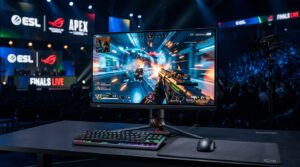
- Cutting-edge hardware rigs featuring 360Hz/540Hz gaming monitors, low-latency analog optical keyboards, and ergonomic staging.
- Comprehensive support staff: head coaches, strategic analysts, performance psychologists, and dedicated physical therapists.
- Dedicated gaming headquarters and training facilities designed to nurture communication and team unity.
Post-Playing Career Opportunities
- Head coaching, strategic analysis, or general manager roles within esports organizations.
- Broadcast talent, color commentary, and analyst desk hosting for tier-1 tournaments.
- Game development advisory, balance consulting, and QA testing for premier publishers.
- Full-time streaming, YouTube production, and brand ambassador partnerships.
Esports Academies and Educational Programs
Alongside grassroots grinding, specialized esports academies and university programs now offer formal curriculums covering competitive theory, team communication, broadcast media, and sports psychology. Collegiate esports scholarships in North America and dedicated European training academies provide viable talent pipelines into tier-2 challenger circuits.
Essential Core Competencies for Success
- Complete mastery of game mechanics, timing windows, and patch metas.
- Rapid visual processing and sub-180ms decision-making reflexes under extreme tournament pressure.
- Clear, calm, and constructive verbal communication during chaotic in-game rounds.
- Tactical foresight: anticipating opponent rotations and executing fluid counter-strategies.
- Holistic lifestyle discipline: structured sleep hygiene, regular exercise, and mental focus.
- Professionalism in representing organizational sponsors and managing a public social presence.
The Bottom Line
A pro gamer's compensation reflects their competitive results, communicative value, and audience reach. While elite champions earn lucrative seven-figure sums through combined salaries, prize winnings, and digital item revenue, the majority of professionals build stable livelihoods through a balanced mix of base team compensation and supplemental content revenue. It remains a brutally competitive profession, but for disciplined players who treat gaming as an elite athletic discipline, modern esports offers viable, sustainable career paths in 2026.
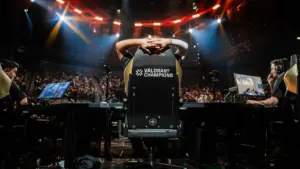
Valorant
Explore official trailers, technical specs and all latest coverage for Valorant.

SEO consultant for over 20 years and digital entrepreneur, Charles 'Grimtag' Ronchain is the founder of Pro-Gamer.gg, Retrocharting.com, and Gamescharting.com. A competitive gamer, streamer, and retro game collector, he has worked in the video game industry for over 15 years, notably as a consultant for leading game price comparison platforms. Passionate about real-time performance data and gaming technology, he analyzes competitive esports, gaming hardware benchmarks, and creator workflows on Pro-Gamer.gg with an authentic player perspective.