From 8GB to 128GB RAM: Microsoft Lists AMD Ryzen AI 500 and Intel Core Ultra 4 in Its Windows AI Hardware Roadmap
An internal Microsoft strategic presentation titled "Windows is the home for hybrid intelligence" has mapped out the next several years of PC silicon expected across the Windows ecosystem. By dividing desktop and mobile hardware into four strict capability tiers ranging from 8GB to over 128GB of system memory, the Redmond giant explicitly names multiple unannounced processor families from its silicon partners: AMD Ryzen AI 500, Intel Core Ultra Series 4, AMD Ryzen AI MAX+ 400, alongside NVIDIA RTX Spark and Intel Crescent Island accelerators.
Four Hardware Tiers (Tier 0 to Tier 3) Defined by RAM Capacity
To organize how local models and background agents scale across the Microsoft Learn Windows AI developer stack, Microsoft is moving beyond simple NPU TOPS ratings. The roadmap segments Windows hardware into four distinct tiers where total system RAM and memory bandwidth dictate which local workloads a machine is allowed to run offline:
- Tier 0 (Entry-Level PCs / 8GB RAM): Built for basic local context awareness, light multitasking, office productivity, and web browsing. Hardware in this bracket includes Intel Core Series 3 and Series 4 (low-power Wildcat Lake silicon), AMD Ryzen 100 and Ryzen 200 chips, and Qualcomm Snapdragon C, X, and X Plus processors. While Windows 11 is already overhauling memory compression to keep 8GB PCs responsive, Microsoft's chart confirms that 8GB systems remain locked to the lowest tier.
- Tier 1 (Mainstream Copilot+ PCs / 16GB to 64GB RAM): The primary baseline for continuous background processing, local question-answering, and OS-level task delegation. Alongside upcoming AMD Ryzen AI 400 (Gorgon Point) and Intel Core Ultra Series 3 (Panther Lake) chips, Microsoft explicitly lists next-generation AMD Ryzen AI 500 (Zen 6 Medusa Point) and Intel Core Ultra Series 4 (Nova Lake) processors, as well as Qualcomm Snapdragon X2, Snapdragon Next, Intel Core Ultra Next, and AMD Ryzen AI Next.
- Tier 2 (Builder & Developer PCs / 128GB+ RAM): Aimed at engineers and creators who compile, fine-tune, and serve heavy local models directly on their machines. This tier highlights the unannounced AMD Ryzen AI MAX+ 400 unified-memory APU (the successor to Strix Halo), NVIDIA RTX Spark compact developer systems, and high-VRAM Intel Core Ultra + discrete GPU configurations.
- Tier 3 (Workstations & Personal Supercomputers / 128GB+ RAM & Server-Class Silicon): Designed to run massive frontier models locally without cloud offloading, powered by NVIDIA GB300 (DGX Station) superchips, Intel's upcoming Crescent Island data center GPU, and next-generation AMD workstation platforms.
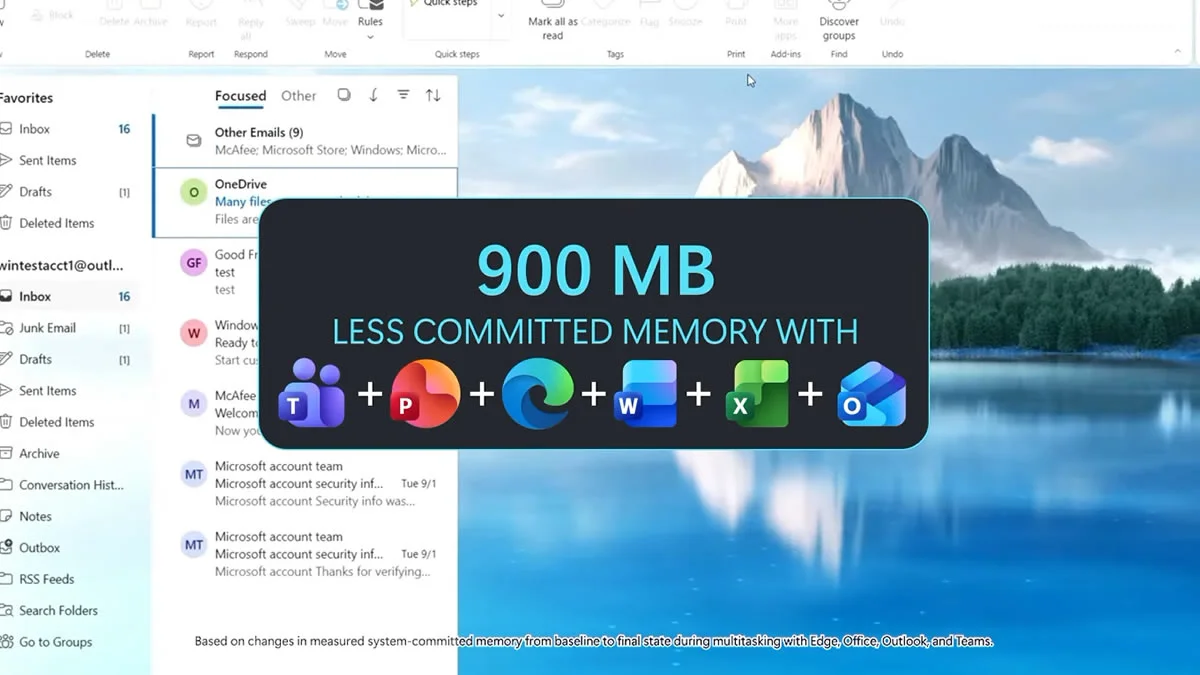
AMD Ryzen AI 500 (Zen 6) and Intel Core Ultra 4 (Nova Lake) Take Center Stage
For laptop and desktop enthusiasts, seeing both Ryzen AI 500 and Core Ultra Series 4 grouped together inside Tier 1 confirms how AMD and Intel are aligning their 2027 product cycles with Windows requirements. On AMD's side, the Ryzen AI 500 branding points directly to Medusa Point mobile APUs, which will pair next-generation Zen 6 CPU cores with an updated RDNA integrated graphics engine and a higher-throughput XDNA NPU.
For Intel, the Core Ultra Series 4 designation corresponds to the highly anticipated Nova Lake architecture following Panther Lake (Series 3). As Intel advances its foundry roadmap with the delivery of its Intel 14A PDK 0.9 kit to customers ahead of early 2027, Nova Lake is set to introduce redesigned Coyote Cove P-cores and Arctic Wolf E-cores alongside a next-generation NPU built for sustained background workloads.
While these next-generation mobile and desktop architectures are still months away from retail shelves, PC builders looking for top-tier gaming performance today on the AM5 platform can find AMD's flagship second-generation 3D V-Cache processor available around $429 at major US retailers:
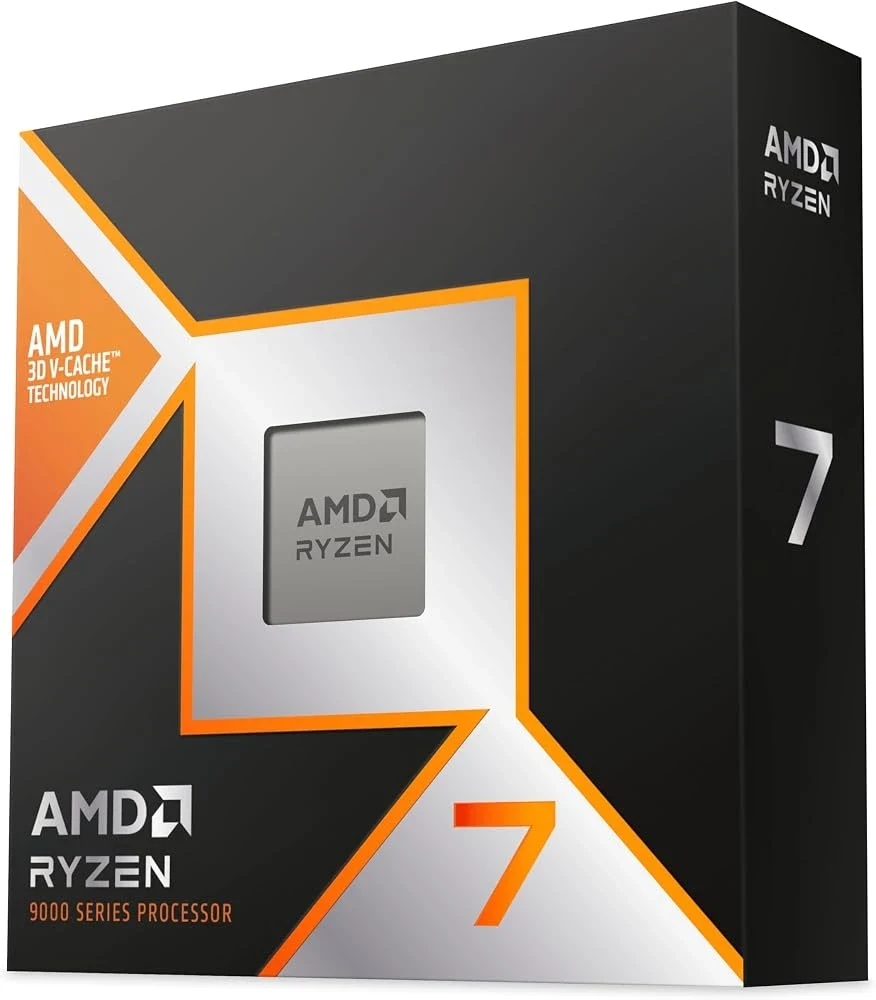
AMD Ryzen 7 9800X3D
- 8-Core / 16-Thread Zen 5
- 104MB 3D V-Cache
- Socket AM5 DDR5 PCIe 5.0
What Ryzen AI MAX+ 400 and the 128GB Tier Mean for Power Users
Equally revealing is Microsoft's Tier 2 "Builder PC" category. By setting a hard 128GB RAM threshold and explicitly naming the AMD Ryzen AI MAX+ 400, the roadmap confirms that AMD is already preparing a direct successor to its Strix Halo halo APUs (Ryzen AI MAX+ 395). Equipped with a wide 256-bit unified memory interface capable of dynamically assigning up to 96GB of fast system RAM directly to the integrated GPU, the MAX+ 400 series will target compact workstations and local model developers who need massive memory pools without multi-GPU power draw.
My Take on the Spec Sheet
Beyond confirming the commercial naming for Ryzen AI 500 and Core Ultra Series 4, this roadmap proves that the real hardware bottleneck in Windows is shifting from raw NPU TOPS to physical RAM capacity. By officially relegating 8GB laptops to "Tier 0" and stretching the mainstream Copilot+ Tier 1 envelope from 16GB all the way to 64GB, Microsoft is acknowledging a simple hardware reality: resident OS models eat gigabytes of memory before you even launch a game. For any PC player building or upgrading a rig heading into 2027, 32GB of DDR5 is the true baseline to ensure background Windows services never starve your frame times when Zen 6 and Nova Lake arrive. We have not yet had a physical unit on our desk—if the manufacturer's team would like to send over a review sample so we can put it through our full real-world testing protocol, our lab doors are wide open.

PC hardware enthusiast and competitive gamer, Arthur 'Heimdall' splits his time between France and the UK working in enterprise B2B software solutions. A business school graduate passionate about component benchmarking, he has been building, modding, and tuning PCs since childhood, optimizing every thermal degree and millisecond of display latency. An avid gamer across Assassin's Creed and sandbox titles, he forged his alliance with Grimtag and Chaya during late-night World of Warcraft raids before joining Pro-Gamer.