Five Rights Holders for a $5.99 Classic: Why Dune II Remains GOG's Untouchable "Holy Grail"
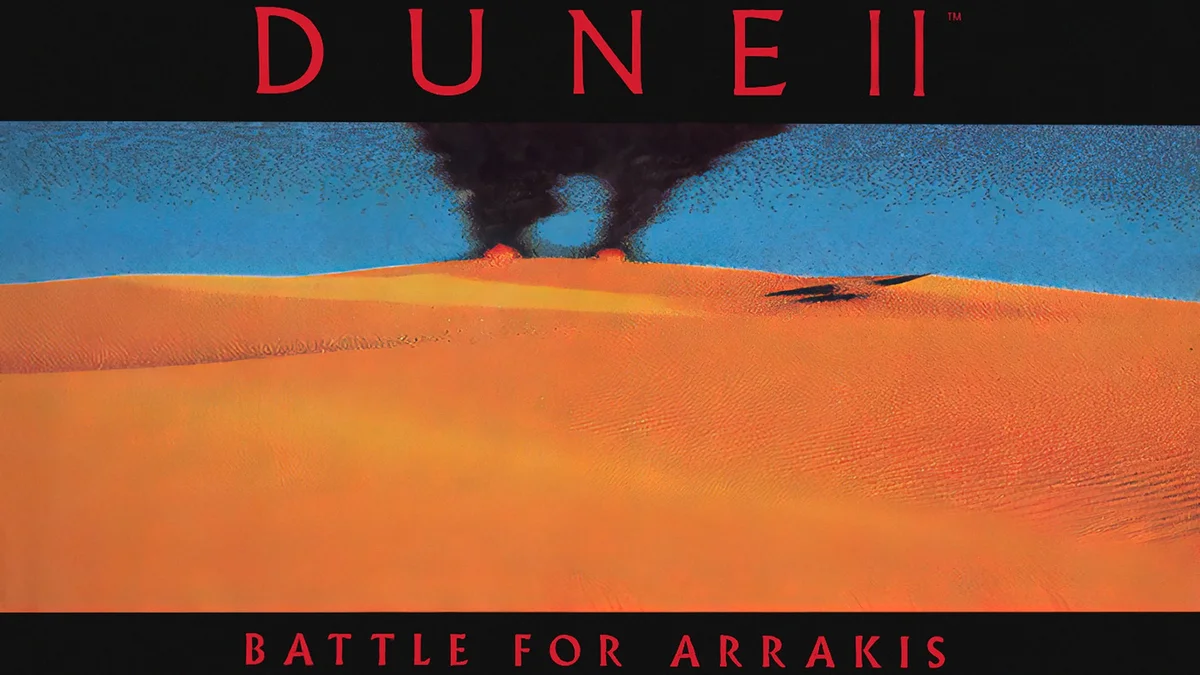
Back in December 1992, Westwood Studios and Virgin Interactive laid the foundation for modern real-time strategy on MS-DOS floppy disks with Dune II: The Building of a Dynasty (released in Europe and on Mega Drive as Dune II: Battle for Arrakis). More than thirty-three years after establishing the exact blueprint that birthed Warcraft and Command & Conquer, the pioneering classic remains legally unavailable on any digital storefront. According to Marcin Paczyński, Senior Business Development and Partnerships Manager at GOG, bringing the game back stands at the very top of his personal wishlist as a true preservation "holy grail", yet it remains paralyzed by one of the worst multi-party licensing nightmares in gaming history.
GOG's Ultimate "Holy Grail" Trapped Between Five Separate Rights Holders
If there is one legacy franchise that the GOG Preservation Program team dreams of rescuing alongside its follow-ups Dune 2000 (1998) and Emperor: Battle for Dune (2001), it is Westwood's 1992 RTS landmark. "This is one of the holy grails. It's on the top of my list, my personal one, because this is a game that I have a lot of nostalgia for. The situation is a good example of how bad it can get with the licensing situation of a game," explained Marcin Paczyński, who has also been spearheading ambitious preservation initiatives such as GOG's plan to let players order physical big-box PC editions straight from their digital library.
Unlike a typical retro PC release where a single publisher holds both the underlying code and the trademark, clearing Dune II for sale today requires untangling a five-way legal deadlock:
- Electronic Arts (Source Code and Game Assets): Having acquired Westwood Studios in 1998 before shutting down the Las Vegas developer in 2003, EA owns the actual game code, VGA artwork, Frank Klepacki's original MIDI/AdLib score, and all promotional materials surrounding the title. However, EA holds zero rights to the Dune intellectual property itself.
- Universal Pictures (The 1984 Movie License): Crucially, Westwood's 1990s games were not licensed directly from the original sci-fi novels, but rather from David Lynch's 1984 Dune feature film, which was created and distributed by Universal Pictures.
- The Successors of Dino De Laurentiis (Original Film Producer): Legendary Italian producer Dino De Laurentiis served as the main producer on the 1984 movie and personally held a distinct share of that film license. Following his passing in November 2010, those rights passed down to his legal successors and estate.
- The Herbert Foundation (Frank Herbert's Literary IP): The estate of author Frank Herbert retains overarching ownership of the broader Dune literary universe.
- Legendary Pictures and Funcom (Modern Film IP and Video Game Exclusivity): Legendary Pictures owns the rights to the modern cinematic adaptations directed by Denis Villeneuve and granted an exclusive license to create video games within the IP to Funcom.
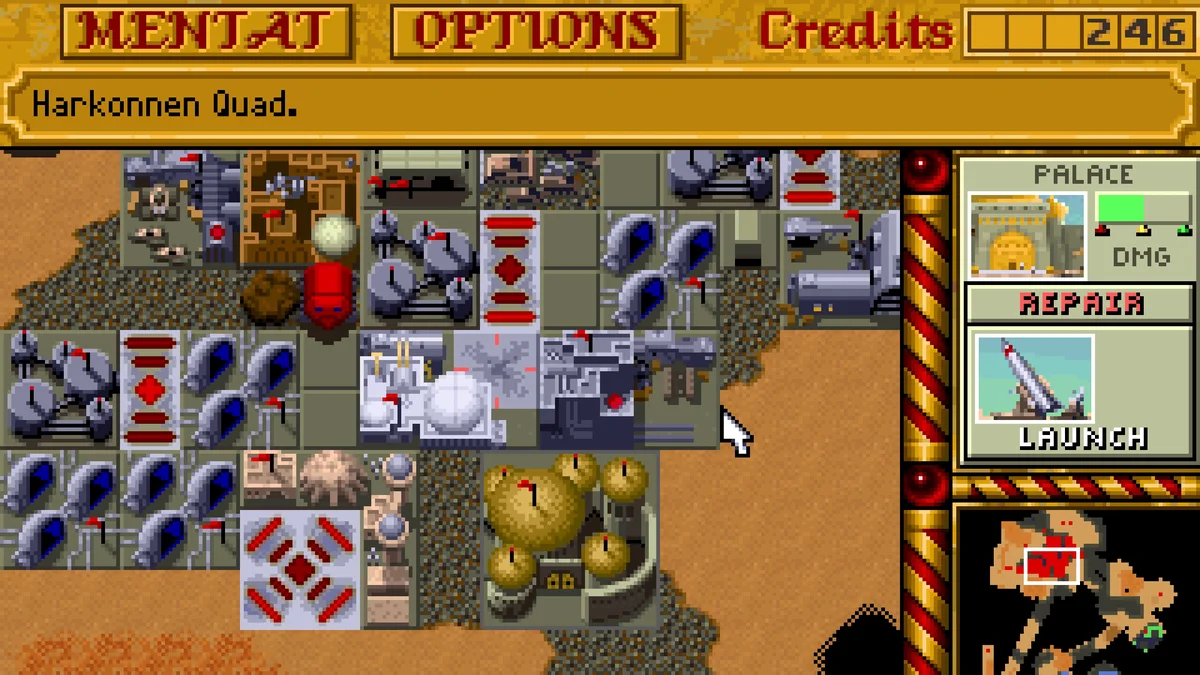
The Impossible Math of Clearing Five Billion-Dollar Entities for a $5.99 Game
Beyond the tangled web of thirty-four-year-old contracts, cold corporate math is what keeps Dune II locked in the vault. As Marcin Paczyński pointed out, clearing a legal re-release would require multiple multi-billion-dollar corporations and estates to negotiate a revenue-sharing agreement for a niche MS-DOS title. According to GOG's internal projections, a digital re-release of Dune II would realistically sell between 50,000 and 100,000 units at a price point of $5.99 or $9.99.
Splitting a gross revenue pool of a few hundred thousand dollars six ways across Electronic Arts, Universal Pictures, the De Laurentiis estate, the Herbert Foundation, Legendary Pictures, and GOG would barely cover the billable hours of the corporate legal teams needed to review the paperwork. Furthermore, the modern video game exclusivity held by Funcom adds another hurdle, especially at a time when Funcom is navigating fresh layoffs and a CEO transition following the console launch of Dune: Awakening. Until a miracle happens on the GOG Dreamlist, strategy fans looking to wage war for Spice on Arrakis have to look toward Shiro Games' modern 4X real-time strategy title Dune: Spice Wars.
My Take
Anyone who fed the 3.5-inch floppy disks of Dune II into an MS-DOS rig back in 1992 still remembers the digitized voice barking "Wormsign" through a Sound Blaster card right before a giant sandworm swallowed your Spice harvester whole. Without Westwood Studios' masterpiece, there would be no Command & Conquer, no Warcraft, and no StarCraft. Watching the literal founding father of an entire video game genre sit in legal purgatory in 2026 because five multi-billion-dollar rights holders cannot be bothered to sign off on a 100,000-unit preservation release at $5.99 is peak corporate absurdity. When copyright law prevents the legal preservation of a thirty-four-year-old landmark that nobody is actively selling, it stops protecting creators and starts erasing history. Thank goodness the PC community and open-source source ports like Dune Legacy are keeping Arrakis alive while the lawyers stare at each other.

SEO consultant for over 20 years and digital entrepreneur, Charles "Grimtag" is the founder of Pro-Gamer.gg, Retrocharting.com, and Gamescharting.com. A competitive gamer, streamer, and retro game collector, he has worked in the video game industry for over 15 years, notably as a consultant for leading game price comparison platforms. Passionate about real-time performance data and gaming technology, he analyzes competitive esports, gaming hardware benchmarks, and creator workflows on Pro-Gamer.gg with an authentic player perspective.