67% of French Gamers Accept In-Game Ads Under Two Strict Conditions, While 54% Have Quit a Game Over Intrusive Pop-Ups
How far can video game publishers push ad monetization before driving their own player base away? As flagship console releases settle into the $70 to €80 price bracket and subscription tiers continue to climb in price, in-game advertising has become a primary battleground for industry executives. Published by French digital marketing trade body Alliance Digitale in partnership with research institute Toluna-Harris Interactive, the landmark "Advertising & Gaming: Player Perception, Attention, and Expectations" report surveyed a representative sample of 1,018 French citizens aged 15 to 59 (including 838 active gamers, or 83% of respondents). The findings draw a sharp boundary: while 67% of gamers in France are willing to accept in-game advertising, that tolerance depends on two strict, non-negotiable conditions.
Zero Gameplay Interruptions or Clear In-Game Rewards: The Two Rules Set by Players
Spearheaded by Alliance Digitale's Gaming working group, which brings together around twenty adtech providers, media agencies, and gaming ad networks, the study dispels the myth that players automatically reject every brand integration. According to reference figures from SELL and Médiamétrie cited in the report, nearly 40 million people in France aged 10 to 80 play video games at least once a year, with near gender parity (53% men and 47% women) and 28% of 15-to-59-year-olds playing daily.
When asked how they perceive ads integrated into their video games, two out of three gamers (67%) say they are open to the model, provided publishers respect one of two fundamental pillars:
- Condition #1 (37% of gamers): Never disrupt the gameplay experience. For the largest group of respondents, advertisements must remain strictly peripheral or native to the environment, such as virtual stadium billboards in sports titles, trackside banners in racing games, or brief pre-session screens that never interrupt active gameplay.
- Condition #2 (30% of gamers): Deliver a tangible reward or advantage. Nearly a third of players will only trade their attention for an explicit value exchange, whether that means earning in-game currency, unlocking cosmetic items in free-to-play titles, or lowering the upfront cost of accessing a game.
Conversely, a vocal one-third of the audience remains firmly opposed: 17% of players state that advertising simply has no place in video games at all, while another 16% prefer to avoid it as much as possible.
54% Walkout Rate and the 15-Second Rule: A Clear Warning for Publishers
More importantly, the Toluna-Harris Interactive data delivers a stark warning to studios tempted by aggressive ad frequency. More than half of surveyed gamers (54%) report that they have already stopped playing a video game specifically because of advertising. Even more telling, 33% of players have abandoned a game multiple times over intrusive ads (compared to 21% who quit once), with walkout rates peaking among 15-to-34-year-olds.
To prevent immediate uninstalls, players set a hard time limit: 15 seconds maximum on average. Any ad format exceeding 15 seconds triggers a sharp spike in player rejection. When ranking the top five requirements for acceptable in-game advertising, respondents prioritized short duration (53%), in-game rewards (35%), non-intrusive formats (32%), visual coherence with the game universe (28%), and useful personalization (20%).
As Guillaume Monteux, co-lead of Alliance Digitale's Gaming working group and CEO of in-game ad platform Gadsme, explains: "Players are not hostile to advertising, they are demanding. Provided their experience is respected, gaming offers brands a powerful and sustainable territory of attention." Vincent Georget, Head of Sales at Toluna-Harris Interactive, highlights a striking media gap: only 24% of French respondents feel there is currently too much advertising in video games, compared to 61% for television, 56% on websites, and 52% on social media. Still, at a time when European lawmakers are already targeting predatory retention tactics through Brussels' proposed EU Kids Act crackdown on daily login bonuses and FOMO streaks, publishers have very little room for error.
Summary Table: Key Figures From the Alliance Digitale & Toluna-Harris Interactive Study
| Metric (Toluna-Harris Interactive / Alliance Digitale) | Result | Key Breakdown & Takeaway |
|---|---|---|
| Gamers willing to accept in-game ads | 67% | 37% if gameplay is undisturbed + 30% in exchange for a reward |
| Gamers opposed or reluctant toward ads | 33% | 17% say ads have no place in games + 16% avoid them whenever possible |
| Players who quit a game over ads | 54% | 33% have quit multiple times, 21% have quit once |
| Maximum acceptable ad duration | 15 seconds | Demanded by 53% to 54% of surveyed players |
| Perceived ad saturation in video games | 24% | Compared to 61% on TV and 56% on websites |
| Top 5 gaming platforms (ages 15-59) | 75% Mobile | Ahead of Switch (28%), PS5 (25%), PC (22%), and PS4 (21%) |
Two Minutes of Pre-Roll Ads for One Hour of Free Cloud Gaming: Microsoft's Live Test
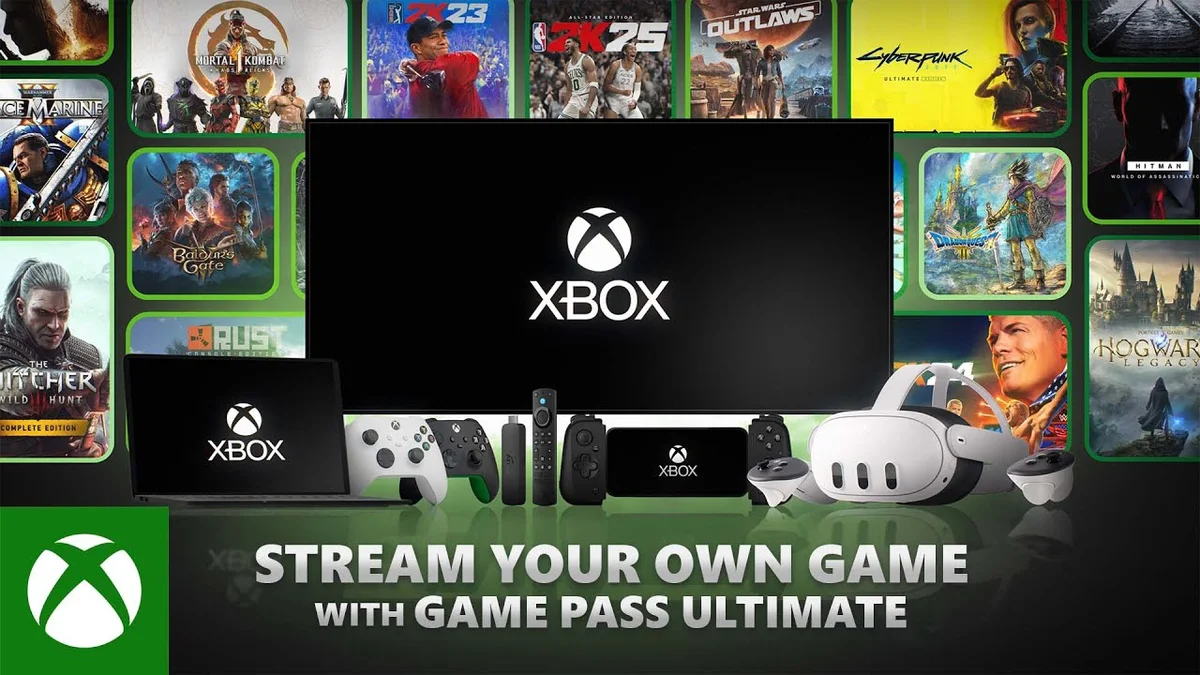
While smartphones lead overall platform usage in the survey (75% of players, ahead of Nintendo Switch at 28%, PlayStation 5 at 25%, and PC at 22%), ad-funded models are rapidly expanding into console and cloud ecosystems. Mirroring the ad-supported subscription tiers rolled out by Netflix and Disney+, Microsoft has been testing an ad-supported Xbox Cloud Gaming tier with members of the Xbox Insider program.
Microsoft's structure directly reflects the boundaries highlighted in the French study: to stream select owned games or free-to-play titles in the cloud without an active Xbox Game Pass subscription, users watch roughly two minutes of pre-roll advertisements before launch in exchange for a one-hour cloud gaming session with zero mid-game interruptions. Especially in markets where players are already facing rising digital costs such as France's newly voted gigabyte download tax on video games and streaming, optional pre-roll cloud access offers a concrete test case for ad-subsidized gaming.
My Take: Who On Earth Answered Yes to This Survey?
I am honestly baffled looking at these numbers: who on earth actually answered "yes" to a survey like this? Are you serious? Which polling firm pulled off the magic trick of claiming that nearly 7 out of 10 gamers are totally fine with having ads injected while they play? Whoever engineered that questionnaire is an absolute genius, especially when you notice the study is backed by ad-tech agencies. Because when I talk to my gaming friends, industry peers, coworkers, and clients, the verdict is 100% unanimous: nobody wants this business model inside video games, even when it comes wrapped in the polite excuse that "it won't disrupt the in-game experience."
We have had television commercials for over seventy years now, and we all know how much everyone "loves" having their movie or show interrupted one, two, three, or even four times an hour. Nobody buys the old "we promise it won't get in the way, we won't stop anyone from playing, you'll barely notice it" pitch anymore. That is the exact same gentle promise we heard on cable TV and streaming platforms right before mid-roll interruptions cutting straight into the climax of a movie or series became the industry standard. Let's not kid ourselves: once you let that foot in the door inside our games, everyone knows exactly how the story ends.

SEO consultant for over 20 years and digital entrepreneur, Charles "Grimtag" is the founder of Pro-Gamer.gg, Retrocharting.com, and Gamescharting.com. A competitive gamer, streamer, and retro game collector, he has worked in the video game industry for over 15 years, notably as a consultant for leading game price comparison platforms. Passionate about real-time performance data and gaming technology, he analyzes competitive esports, gaming hardware benchmarks, and creator workflows on Pro-Gamer.gg with an authentic player perspective.