Amid Studio Layoffs and a €254.5M Loss, Ubisoft Launches Motherbrain to Build Generative AI Gameplay
The corporate contrast could hardly be starker. At the exact moment the French publisher is navigating steep financial losses and cutting production staff across its North American studios, Ubisoft has officially established Motherbrain, a standalone subsidiary and studio dedicated entirely to developing proprietary generative AI technologies for gameplay innovation.
From NEO NPC and Teammates to Motherbrain: Ubisoft's Paris R&D Team Spins Out
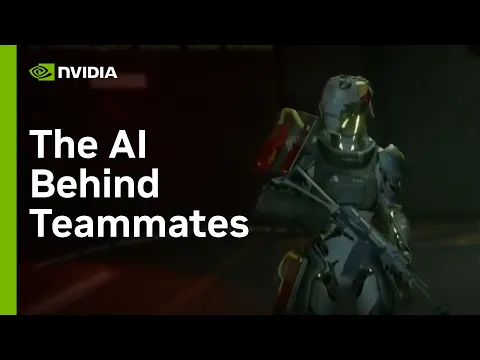
Unveiled in Ubisoft's first-half fiscal 2026-27 earnings report, Motherbrain is built around the core Paris-based research and development team that spearheaded the publisher's earliest interactive AI experiments. Working alongside narrative director Virginie Mosser on conversational architecture, this group previously built the NEO NPC prototypes before creating Teammates, Ubisoft's first playable research experience powered by generative artificial intelligence.
Designed as an experimental first-person shooter set in a dystopian sci-fi facility, Teammates replaces static dialogue trees and rigid companion scripts with three real-time generative AI entities controlled directly through natural voice commands:
- Jaspar: an onboard AI voice assistant and Game Master companion. Beyond addressing the player by name and providing contextual lore briefings during a mission, Jaspar can highlight threats in the environment and adjust HUD elements or controller sensitivity on the fly without forcing the player to open a pause menu.
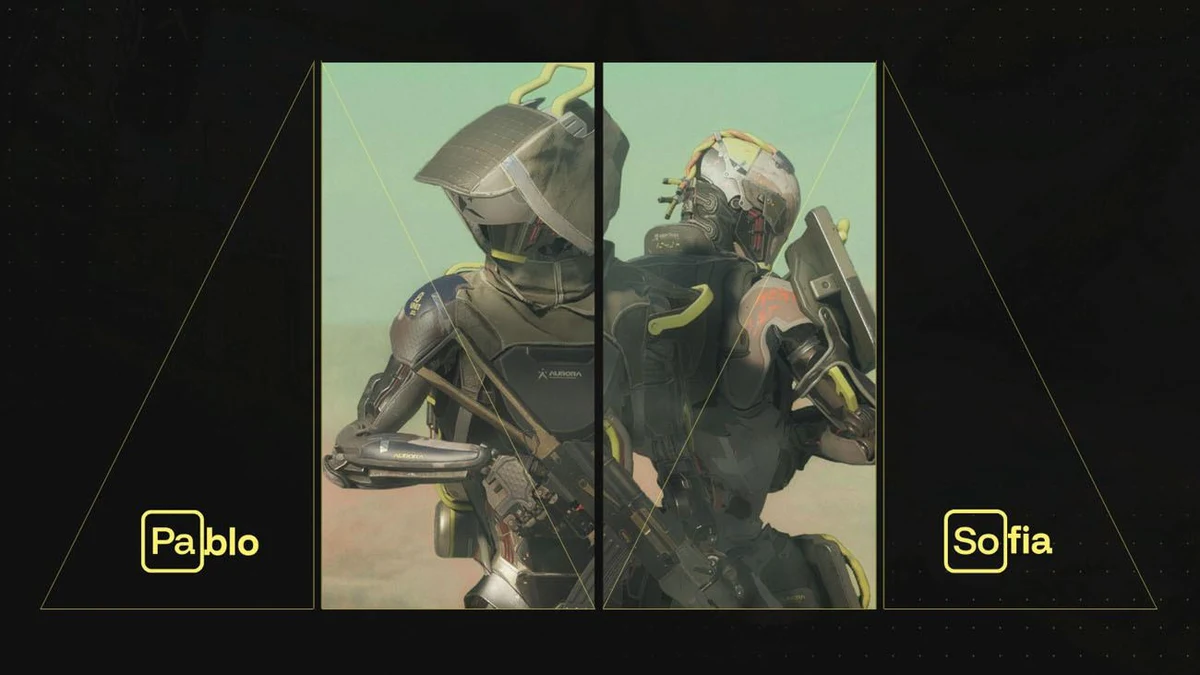
- Sofia and Pablo: two robotic squadmates with distinct personalities who fight alongside the player. Interpreting spoken tactical instructions in real time, they dynamically adapt their positioning, take cover behind specific obstacles, flank enemy patrols, or interact with environmental puzzles based on voice prompts.
Smart NPCs With Memory and AI Game Masters Built for External Licensing
With the launch of Motherbrain, CEO Yves Guillemot and Ubisoft's executive leadership are positioning generative AI not merely as a back-end asset pipeline tool, but as an active simulation layer inside live game loops. According to the company's financial disclosures, the new subsidiary is focusing its proprietary roadmap on two primary pillars:
- Smart NPCs with memory: non-player characters capable of retaining the full history of player interactions across sessions, remembering past betrayals or alliances, and permanently evolving their behavior over time.
- AI Game Masters: high-level systemic directors designed to oversee, balance, and orchestrate large-scale dynamic open worlds in real time.
Crucially, Motherbrain is not restricted to building technology solely for Ubisoft's internal franchises. Operating alongside Ubisoft's decentralized Creative Houses framework, the subsidiary is mandated to supply tools to internal production teams while also licensing its proprietary middleware to external game creators worldwide through partnerships with selected technology firms. This push into commercial AI infrastructure comes as real-time interactive world models such as Google DeepMind's Genie 4 rapidly accelerate the race for generative simulation tools across the gaming sector.
An AI Expansion colliding With a €254.5M Net Loss and 166 Canadian Layoffs
While Motherbrain outlines Ubisoft's long-term technological ambitions, the timing of its formal incorporation has sparked immediate friction across the development community. The creation of the generative AI subsidiary was announced inside the same H1 2026-27 financial report that detailed a sharp downturn in Ubisoft's balance sheet:
- A 16.5% year-on-year drop in H1 Net Bookings to €644.7 million (down from €772.4 million in H1 2025-26), even though second-quarter bookings of €389 million beat the company's €370 million guidance thanks to the commercial performance of Assassin's Creed Black Flag Resynced.
- A widening IFRS operating loss of €189.2 million (€155.9 million non-IFRS) and a net loss attributable to shareholders of €254.5 million for the six-month period.
- Deep workforce reductions: over the course of the first half of the fiscal year, Ubisoft's global headcount shrank by approximately 1,100 employees.
The optics are particularly jarring because Motherbrain's debut coincides directly with the elimination of 166 positions across Ubisoft Montreal and Ubisoft Quebec. As the publisher's historic Canadian flagship studios absorb project cancellations and aggressive cost-cutting measures, funneling dedicated capital into a standalone generative AI subsidiary highlights the tense divide between corporate tech bets and frontline production teams.
My Take
From a purely technical design standpoint, what the Teammates engineers are trying to solve with Motherbrain is far more interesting than lazy AI art generation. Giving squadmates persistent memory and allowing players to coordinate tactical maneuvers by voice without wrestling with clunky command wheels addresses a genuine limitation in modern game design. Yet Ubisoft's executive timing remains remarkably tone-deaf. Unveiling a dedicated generative AI subsidiary in the exact same week you post a €254.5 million net loss and lay off 166 developers in Montreal and Quebec sends a chilling message to the people actually building your games. If Motherbrain wants to win over skeptical players and developers alike, it will need to prove very quickly that its AI Game Masters deliver meaningful gameplay rather than just an investor pitch to offset painful studio cuts.

SEO consultant for over 20 years and digital entrepreneur, Charles "Grimtag" is the founder of Pro-Gamer.gg, Retrocharting.com, and Gamescharting.com. A competitive gamer, streamer, and retro game collector, he has worked in the video game industry for over 15 years, notably as a consultant for leading game price comparison platforms. Passionate about real-time performance data and gaming technology, he analyzes competitive esports, gaming hardware benchmarks, and creator workflows on Pro-Gamer.gg with an authentic player perspective.