1,868 Jobs Cut Out of 3,200 and a 3% Profit Margin: Xbox Prepares Three More Layoff Waves Starting in October
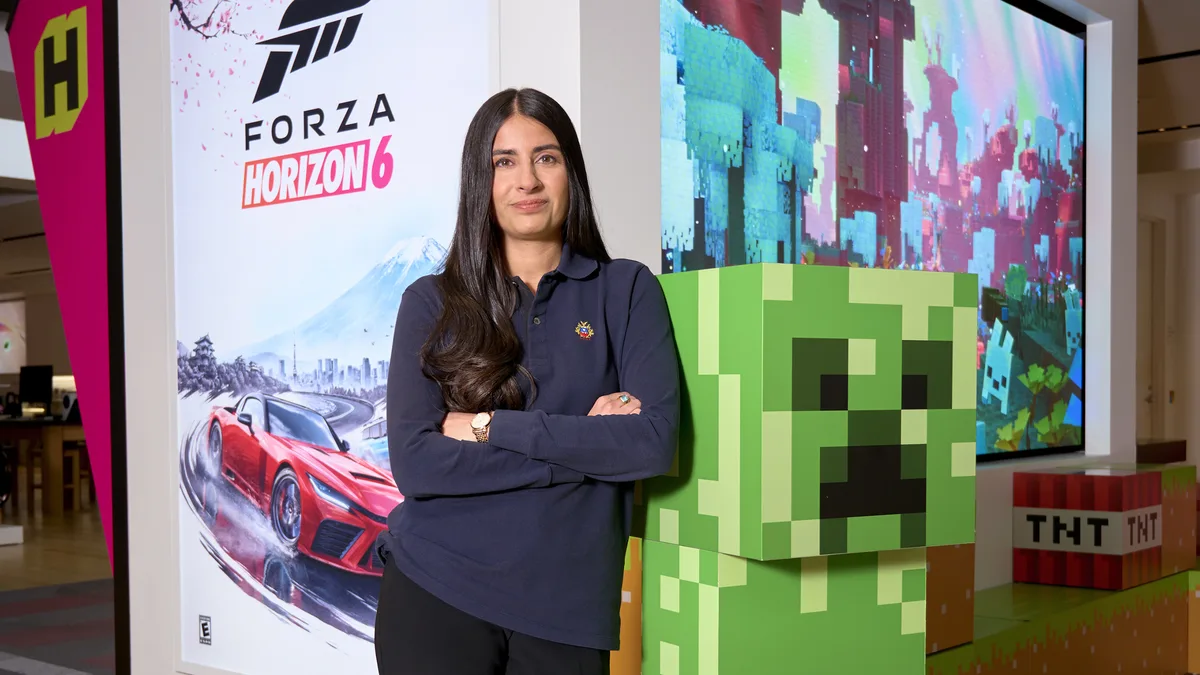
The sweeping corporate overhaul initiated in Redmond following Phil Spencer's departure in February 2026 is entering another painful phase. According to an in-depth investigation by tech correspondent Sebastian Herrera in Fortune, Xbox CEO Asha Sharma has already eliminated 1,868 jobs out of a planned 3,200 headcount reduction, with three additional waves of layoffs scheduled for October, November, and January 2027.
Over 1,300 Roles Still on the Chopping Block Through January
Tapped by Microsoft CEO Satya Nadella in February after guiding Instacart through its IPO and leading product development on Microsoft's AI Foundry platform, the 38-year-old executive has moved aggressively to flatten management layers. Following an initial wave of 1,600 job cuts in July and roughly 260 more in September, Xbox has reached 1,868 departures toward its fiscal 2027 target of 3,200 reductions (roughly 20% of the division).
That leaves more than 1,330 positions slated for elimination over the coming months. Sources familiar with the internal roadmap report that Sharma has structured the remaining cuts across three separate rounds hitting this month, November, and January, though exact schedules remain subject to adjustment.
Spreading the reductions across an entire year has taken a heavy toll on morale across Xbox's studios and Redmond offices, where decades-long veterans have already been let go. Employees describe working under a yearlong cloud while waiting to learn whether their department will be cut next, and at least one laid-off staffer was abruptly asked to stay after organizational hiccups surfaced.
A 3% Profit Margin and the End of Blank-Check Studio Funding
Driving the austerity push is a stark financial gap that Microsoft CFO Amy Hood is no longer willing to overlook. While the $69 billion acquisition of Activision Blizzard turned Xbox into Microsoft's third-largest division at roughly $21 billion in annual revenue, an internal measure of Xbox's profit margin has hovered around 3%, roughly a third to a tenth of rival gaming platforms.
Current-generation Xbox Series X|S hardware, currently battered by ongoing Xbox Series X stock shortages and Microsoft's console trade-in push, has sold little more than a third as many units as Sony's PlayStation 5, even though the core console ecosystem still accounts for 80% of Xbox's business. Former employees also noted that Xbox Game Pass cannibalized full-price launch sales of flagship first-party titles.
To reverse those numbers by fiscal 2027, Sharma has divested smaller creative teams, allowing studios such as Double Fine Productions and Compulsion Games to return to independence while funneling capital into blockbuster franchises. A newly formed commercial unit is tasked with expanding Minecraft across media and licensing much like Disney manages Marvel, alongside major releases such as Gears of War: E-Day (launched October 6) and Blizzard's recently announced World of Warcraft: Forever.
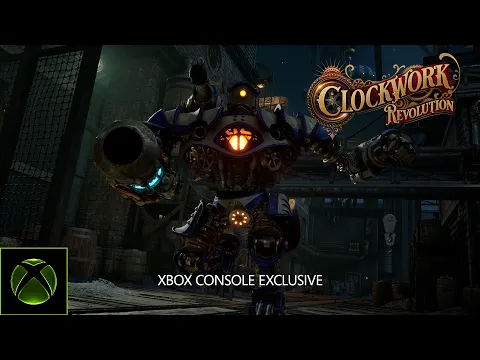
Veteran game director Brian Fargo, currently leading development on the first-person RPG Clockwork Revolution at inXile Entertainment, summed up the new mandate plainly: instead of expecting blank-check funding, studio heads under Sharma must now pitch a strict, commercially "investable business case" before greenlighting production budgets.
À La Carte Game Pass, a $1,800 Project Helix Console, and Spinoff Rumors
Subscription pricing is also set for a ground-up redesign. Microsoft is developing a tiered, à la carte overhaul of Xbox Game Pass that will let subscribers pick individual add-ons for console-only libraries, cloud streaming, and online multiplayer.
Inside Microsoft's secretive Building 87 hardware lab, Sharma and lead designer Carl Ledbetter have pulled engineering deadlines forward by several months for the next-generation Project Helix lineup, pressuring teams to accelerate workflows amid an internal debate over widespread AI tool adoption inside Xbox. Current targets point to a next-gen Xbox handheld in holiday 2027 and a home console in holiday 2028, which internal projections price between $1,200 and $1,800 unless Microsoft subsidizes the bill against soaring memory chip costs.
Hardware development even sparked a fierce turf war with the Windows division, which pushed for the 2027 handheld to run a stripped-down version of Windows Home. Tensions escalated until a senior Xbox executive threatened to cancel the handheld outright rather than adopt the Windows build, ultimately securing Xbox control over its own performance-focused operating system.
"Asha is one of the best leaders we have at the whole company. We would not have put her on a business we intend to sell."
Judson Althoff, Microsoft Commercial Chief
Despite Althoff's pushback, staff email addresses switching from microsoft.com to xbox.com in February, the retirement of the Microsoft Gaming name in April, and an internal executive presentation exploring a potential sale, spinoff, or subsidiary structure have kept speculation alive ahead of Microsoft's quarterly earnings report later this month.
My Take: Studios Are Paying the Bill for a $69 Billion Acquisition
Watching Microsoft spend years buying up half the publishing landscape made an eventual financial reckoning inevitable once Redmond's accountants looked at net margins. When you spend $69 billion on Activision Blizzard only to post a 3% profit margin while console sales trail PlayStation 5 by nearly three to one, the executives who signed those checks never take the fall; instead, 3,200 developers and support staff get cut in staggered waves over twelve months.
Demanding clear commercial discipline from studios makes business sense, but floating an unsubsidized $1,200 to $1,800 Project Helix console for 2028 is detached from reality. At that price point, Xbox will not be competing with the PlayStation 6; it will be going head-to-head against full desktop gaming PCs that offer an infinitely more open ecosystem.

SEO consultant for over 20 years and digital entrepreneur, Charles 'Grimtag' Ronchain is the founder of Pro-Gamer.gg, Retrocharting.com, and Gamescharting.com. A competitive gamer, streamer, and retro game collector, he has worked in the video game industry for over 15 years, notably as a consultant for leading game price comparison platforms. Passionate about real-time performance data and gaming technology, he analyzes competitive esports, gaming hardware benchmarks, and creator workflows on Pro-Gamer.gg with an authentic player perspective.