2,924 Steam Early Access Releases in 2026: Why Legacy of Kain Creator Denis Dyack Accuses AAA Publishers of Abusing the Model
Has the Early Access label lost its original meaning on PC? As the number of unfinished titles launching on Valve's storefront hits an all-time high in late 2026, industry veteran Denis Dyack (co-founder of Silicon Knights, director of Blood Omen: Legacy of Kain and Eternal Darkness: Sanity's Requiem, and now CEO of Apocalypse Studios) is sounding the alarm. Speaking alongside creative director Ethan McKinnon around the rollout of the major Dark Rebirth overhaul for their gothic action RPG Deadhaus Sonata, Dyack accuses major AAA publishers of hijacking a program originally built to help independent studios fund and shape raw ideas with their community.
A "Marketing Beat" That Warps Player Expectations on Steam
When Valve introduced Steam Early Access in 2013, the premise was straightforward: give solo developers and small independent teams a way to secure mid-development funding while iterating on core mechanics through live player feedback. According to Denis Dyack, however, the arrival of massive publishers backed by deep pockets and hundreds of developers has fundamentally tilted the playing field.
"They can put up a polished product and rake in cash; it's a marketing beat for them. So, that leaves players often expecting a near-perfect game that, in our opinion, defeats the purpose of Early Access, which is a collaborative development process based on player feedback. AAA publishers are abusing Early Access, skewing player expectations in such a way that it heavily disadvantages smaller independent developers."
Denis Dyack, CEO of Apocalypse Studios
To illustrate how the bar has shifted, Dyack points to big-budget productions backed by major corporations, citing Krafton-backed Subnautica 2 and Tencent-funded Path of Exile 2 as prime examples of titles reshaping consumer standards. Ethan McKinnon, who joined Apocalypse Studios as creative director earlier this year, notes that sharing the exact same digital shelf with multi-million-dollar productions creates an immediate shockwave for smaller teams: "Players naturally compare everything in the same marketplace, so smaller teams are being held to a much higher standard than they were in the past. Developers need to treat Early Access like a real launch, because players do."
2,924 Releases in 2026 and Only a 21% Post-1.0 Revenue Boost: The Hard Data
The growing tension across development studios is backed by striking market figures compiled by SteamDB and GameDiscoverCo as of mid-October 2026:
- 2,924 games have launched into Steam Early Access in 2026 so far, marking an 18% increase over 2025 and a massive 60% surge compared to 2020.
- Early Access titles now account for 13.7% of all games released on Steam in 2026, climbing steadily from 10.4% in 2024 and 11.3% in 2025.
- The average time spent in Steam Early Access currently stands at 21 months before graduating to version 1.0.
- Most tellingly, only 21% of Steam Early Access graduates earn more revenue during their first 30 days after hitting version 1.0 than they did during their initial Early Access debut.
In practical terms, for four out of five studios, the day an Early Access build goes live is the single biggest commercial launch the game will ever get. Even Anthony Gallegos, creative director of Subnautica 2 at Unknown Worlds, acknowledges that the label has become blurry. While defending his studio's open-development DNA dating back to the original Subnautica in December 2014, Gallegos admits that the current market is a "more diverse and confusing landscape": "Early access could mean a game like ours doing long-term open development, or it could be a game three months from a 1.0 release that's effectively doing a paid beta soft launch and using the Early Access term as a way to soften player expectations."
Meanwhile, Richard Svensson, CEO of Swedish studio Iron Gate whose Viking survival hit Valheim finally reached version 1.0 on September 9, 2026 with 17 million copies sold after more than five years in development, estimates that player expectations in Early Access are only about 20% lower than for a full commercial release: buyers may forgive missing late-game content, but they still demand a polished technical foundation from day one.
Deadhaus Sonata and the Dark Rebirth Overhaul: Owning Up to Early Missteps
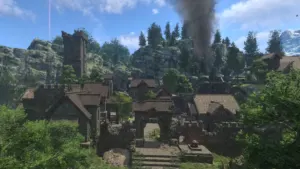
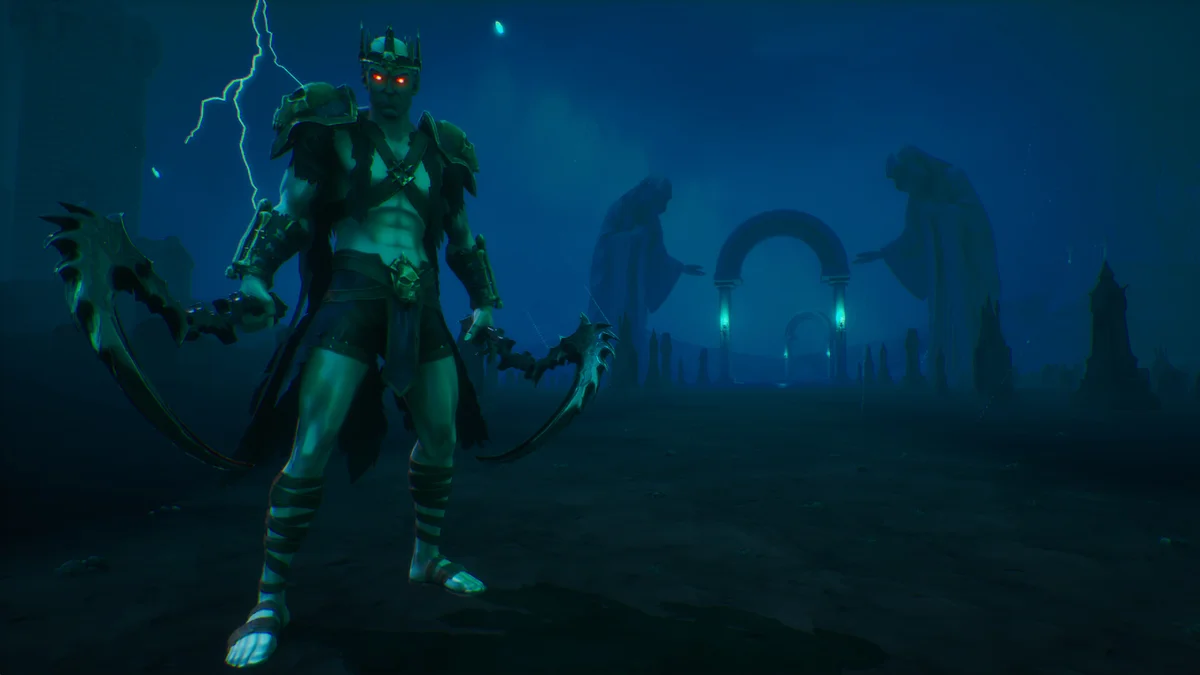
Rather than blaming all of his studio's hurdles on major publishers, Denis Dyack openly admits that Apocalypse Studios stumbled out of the gate. Supported in its broader promotional ecosystem by British publisher Slitherine (led by Iain McNeil) ahead of its Steam Early Access debut on May 14, 2026 at €19.50 / $19.99, the dark fantasy co-op action RPG Deadhaus Sonata (where up to six players embody undead classes such as Vampires, Liches, and Ghouls across the realm of Malorum with a planned ten-year evolution cycle) faced harsh player backlash at launch over performance issues, bugs, and clunky combat.
"We failed to prioritise the basics right from the get-go. Also, we didn't handle Unreal Engine properly at the time and didn't do a good job explaining what made our game cool and different. In a lot of ways, we were too focused on what made our game so different and unique that it took our attention away from making sure we got the basics done right. Honestly, we just don't want to get punched in the face again, and that's been motivation enough to really rebuild the game from the ground up."
Denis Dyack on Deadhaus Sonata's launch and the Dark Rebirth update
Following a period of internal soul-searching, Apocalypse Studios brought in Ethan McKinnon to spearhead a comprehensive visual and gameplay overhaul, culminating in the Dark Rebirth update deployed this October 2026.
That uncompromising quality bar now defines every corner of PC development. Whether looking at Daniel Knight at Kinetic Games (who delayed Phasmophobia 1.0 to the second half of 2027 after a poorly received character update in May 2026), solo creator Alex Massé on life sim Paralives (who delayed launch by five months to refine tutorials before selling 250,000 copies in eight hours this past May), or Greg Kasavin at Supergiant Games with Hades II, only teams combining radical transparency with rock-solid execution can hope to earn a spot in our buyer's guide to must-play PC and Steam masterpieces.
My Take: A Controversial Messenger, But a Dead-On Diagnosis of AAA Greed
If you have been following PC and console development for the past twenty-five years, hearing Denis Dyack lecture the industry on project management naturally raises an eyebrow. After all, this is the director who followed up genuine classics like Blood Omen: Legacy of Kain and Eternal Darkness with the notorious development and legal wreckage of Silicon Knights' Too Human, followed by the ill-fated crowdfunding campaigns for Shadow of the Eternals. Hearing him candidly admit that his team mishandled Unreal Engine at the launch of Deadhaus Sonata last May at least shows hard-earned humility.
Yet dismissing his argument because of his past would be a mistake, because his core diagnosis hits the bullseye. Over the past few years, major publishers have muddied the meaning of "Early Access" on two separate fronts. On one hand, they slap the "Early Access" label onto $100 Deluxe Editions that merely grant 72 hours of head-start play, turning an artificial delay for standard buyers into a €30 / $30 paywall. On the other hand, heavily funded studios drop near-finished blockbusters into Steam's Early Access section to cash in at full price while keeping a convenient shield against criticism. When a genuine ten-person indie team shows up with a rough, experimental prototype that actually needs community iteration to survive, Steam user reviews tear it to shreds within two hours. Early Access was supposed to be an open workshop for indie craftsmen; corporate publishers are rapidly turning it into a VIP marketing lounge.

SEO consultant for over 20 years and digital entrepreneur, Charles 'Grimtag' Ronchain is the founder of Pro-Gamer.gg, Retrocharting.com, and Gamescharting.com. A competitive gamer, streamer, and retro game collector, he has worked in the video game industry for over 15 years, notably as a consultant for leading game price comparison platforms. Passionate about real-time performance data and gaming technology, he analyzes competitive esports, gaming hardware benchmarks, and creator workflows on Pro-Gamer.gg with an authentic player perspective.