L1/R1 Limb Combat, a 50-Year Timeline, and Jazz Club Management: Why RGG Studio's Stranger Than Heaven Will Both Thrill and Divide Players
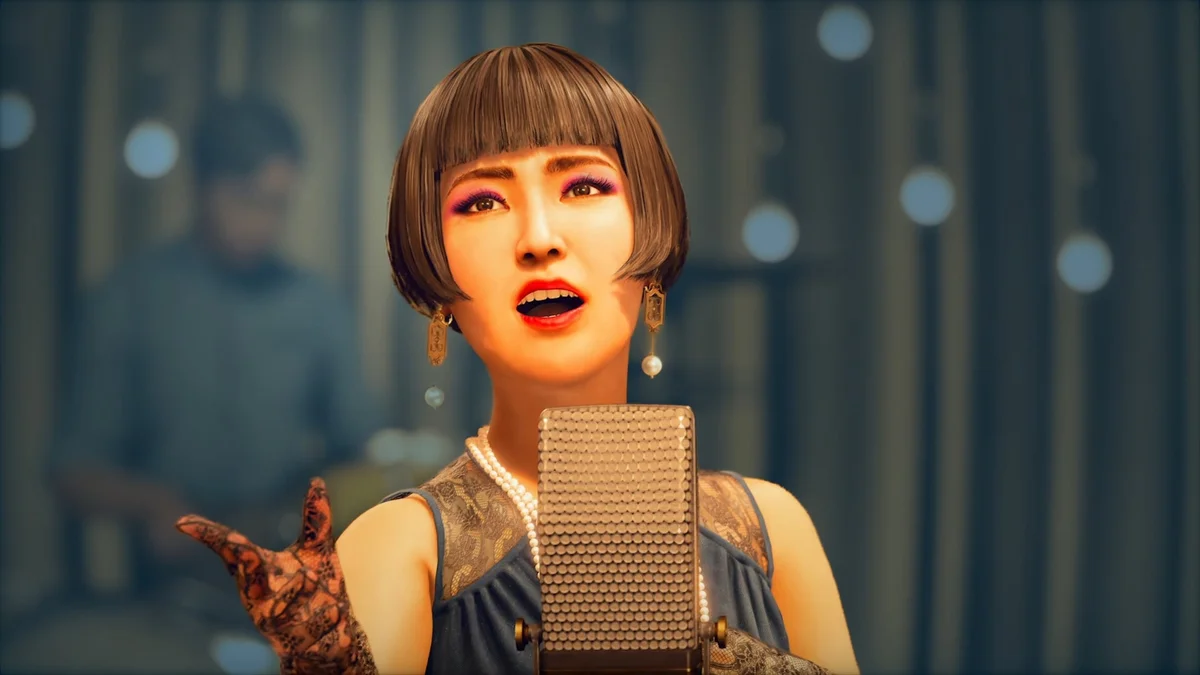
Scheduled to launch on January 15, 2027 for PS5, Xbox Series X|S, and PC (Steam), alongside a day-one arrival on the Xbox Game Pass lineup, Stranger Than Heaven (originally unveiled under the codename Project Century) represents a bold creative leap for Ryu Ga Gotoku Studio and SEGA. Helmed by a younger generation of developers within the studio, this five-decade historical crime epic discards the forgiving arcade brawling of Like a Dragon in favor of a heavy, limb-mapped combat system and a deeply musical core.
Left and Right Limb Mapping on L1/R1: Thrilling 1v1 Duels vs. Frustrating Group Brawls
The most immediate departure from studio tradition lies in how you fight. Instead of relying on standard face-button combo strings, Stranger Than Heaven splits control of protagonist Makoto Daito across the left and right sides of the controller. The left bumper and trigger (L1 and L2) govern strikes and actions from the left side of his body, while R1 and R2 control his right side.
Defense is equally directional and deliberate. When an opponent swings a right hook, you must read the animation and execute a manual parry on the matching side at the exact moment of impact, or dodge backward to weave underneath an incoming blade. Pressing both triggers simultaneously (L2 + R2) initiates savage takedowns and grapples against weakened foes. Outside of Dead Souls and Ishin, this is easily the most explicitly violent game RGG Studio has ever built: Daito slits throats, stabs, bludgeons, and slams heads into the pavement with such ferocity that surviving enemies visibly stumble back in terror.
While this weighty setup turns one-on-one encounters into tense, cinematic duels once the parry rhythm clicks, the mechanics struggle when multiple enemies attack at once. In group fights, the precise timing required for directional blocks and dodges breaks down amidst the surrounding chaos. Where mainline Like a Dragon brawls are built for crowd control, Daito's heavier animations make it far too easy to get stun-locked by three or four aggressive thugs with very little room to recover.
From 1915 Kokura to 1943 Minami: Fifty Years of Japanese History Leading to the Tojo Clan
Structurally, this distant prequel to the Yakuza universe unfolds in a linear, episodic format across five distinct eras and Japanese cities between 1915 and 1965. Portrayed via performance capture and voice by actor and musician Yu Shirota, Makoto Daito is a half-Japanese, half-American outcast who flees racial prejudice in San Francisco in 1915 as a stowaway, only to confront intense discrimination as he tries to build a life in Japan. To mirror his sense of cultural isolation, characters speak in their native languages (English or Japanese) with subtitles by default.
- 1915 in Kokura (Fukuoka): A smoke-choked industrial foundry town where Daito starts out as a desperate street brawler and meets his early mentor Orpheus, a globe-trotting merchant and smuggler portrayed by Snoop Dogg (who teaches Daito how to roll cigarettes and blend herbs, ahead of a separate appearance by a virtual Tupac Shakur later in the story).
- 1929 in Kure (Hiroshima): A bustling naval port town defined by late-1920s theatrical posters, crowded drinking alleys, and the rumble of early automobiles.
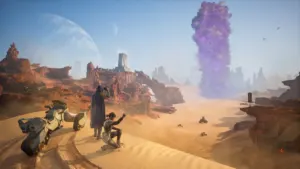
- 1943 in Minami (Osaka): Western Japan's premier entertainment district set against the mounting tension of World War II, contrasting old wooden docks and rundown houses against newly erected modern buildings.
- 1951 in Atami (Shizuoka) and 1965 in Shinjuku (Tokyo): The post-war reconstruction and rapid economic growth eras that ultimately trace the founding of the Tojo Clan.
Building a Nightlife Empire Through Musical Revues Across the Decades
Balancing out the bloodshed in the streets is a surprisingly soulful focus on music and stage performance. Throughout the decades, Daito builds a nightlife empire centered around a deep musical revue management minigame. While exploring each city or even in the middle of street fights, players gather melodic inspiration and bring it back to a composer to craft new arrangements, altering a track's mood from upbeat to sombre to match an upcoming show.
From there, you recruit singers and musicians, promote the concert around town to sell tickets, and manually time lighting cues and stage effects during the live performance. Standing out as one of the most original heavyweights on the 2027 game release calendar, SEGA's historical saga pairs its ambitious world-building with a combat experiment that will demand real patience.
My Take
Handing the reins of a 50-year historical epic to RGG Studio's younger talent is exactly the kind of risk SEGA needed to take to keep the Like a Dragon DNA from feeling overly familiar. Mapping Daito's left and right limbs to L1/L2 and R1/R2 gives one-on-one knife fights and street duels a brutal, tactile weight, and pairing that violence with 1920s and 1940s jazz revue management gives the world genuine soul. Still, the development team has a clear tuning challenge ahead of January 15, 2027: if multi-enemy brawls remain a stun-lock trap where directional parries fall apart, the combat could easily frustrate veterans who just want to soak in the historical atmosphere.

SEO consultant for over 20 years and digital entrepreneur, Charles 'Grimtag' Ronchain is the founder of Pro-Gamer.gg, Retrocharting.com, and Gamescharting.com. A competitive gamer, streamer, and retro game collector, he has worked in the video game industry for over 15 years, notably as a consultant for leading game price comparison platforms. Passionate about real-time performance data and gaming technology, he analyzes competitive esports, gaming hardware benchmarks, and creator workflows on Pro-Gamer.gg with an authentic player perspective.