21,388 Games by October and 66 Releases a Day: How AI Vibe Coding Pushed Steam Past All of 2025
With two and a half months still left on the calendar, Steam has already shattered its all-time annual release record set in 2025. As of October 16, 2026, tracking data from SteamDB shows 21,388 new games published on Valve's storefront since January, officially overtaking the 21,248 titles released across all twelve months of last year.
That surge pushes the platform's daily average to 66 new games released every single day in 2026, up from 55 per day in 2025. Projections from SteamPageAnalyzer indicate that 2026 will close with at least 24,000 new releases, putting the PC storefront on track to cross the 30,000 annual mark in 2027.
Claude Opus 5.5 and the AI Vibe Coding Wave: Cloning Games in Hours
Behind this record-breaking volume highlighted by researcher Brendan Keogh on Bluesky lies a shift that is reshaping software production: generative AI vibe coding. Valve's $100 Steam Direct fee, originally introduced to deter low-effort asset flips, is no longer holding back a wave of automated clones and prompt-built releases.
The pressure escalated sharply following the release of Anthropic's Claude Opus 5.5 update on September 22, 2026, just weeks before Epic Games saw its own AI-coded launcher mocked after challenging Steam on startup performance. Because modern coding models can rapidly decompile and recompile existing game binaries, copycats can now reverse-engineer mechanics and ship knock-offs in a matter of hours.
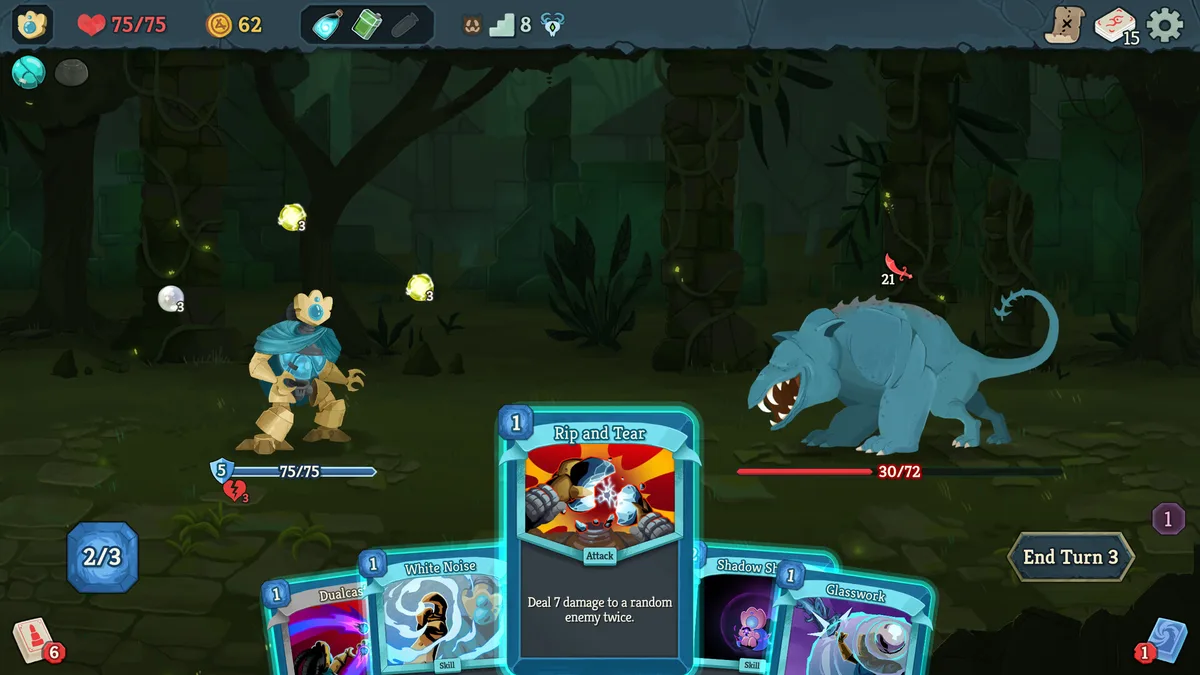
Public GitHub DMCA takedown logs from October 2026 reflect the scale of the problem. On October 7, developer and publisher Mega Crit filed a formal takedown notice to remove a repository hosting the decompiled proprietary source code of Slay the Spire 2.
Indie Studios Are Pulling Free Steam Demos to Stop AI Copycats
The threat of instant AI cloning is now forcing independent studios to lock down playable builds ahead of launch. On Friday, October 16, 2026, developer Alliance Arts abruptly canceled the free public demo for its anime Russian Roulette horror game Drunken Goddess Reflux, which had been scheduled to go live on Monday, October 19 for Steam Next Fest.
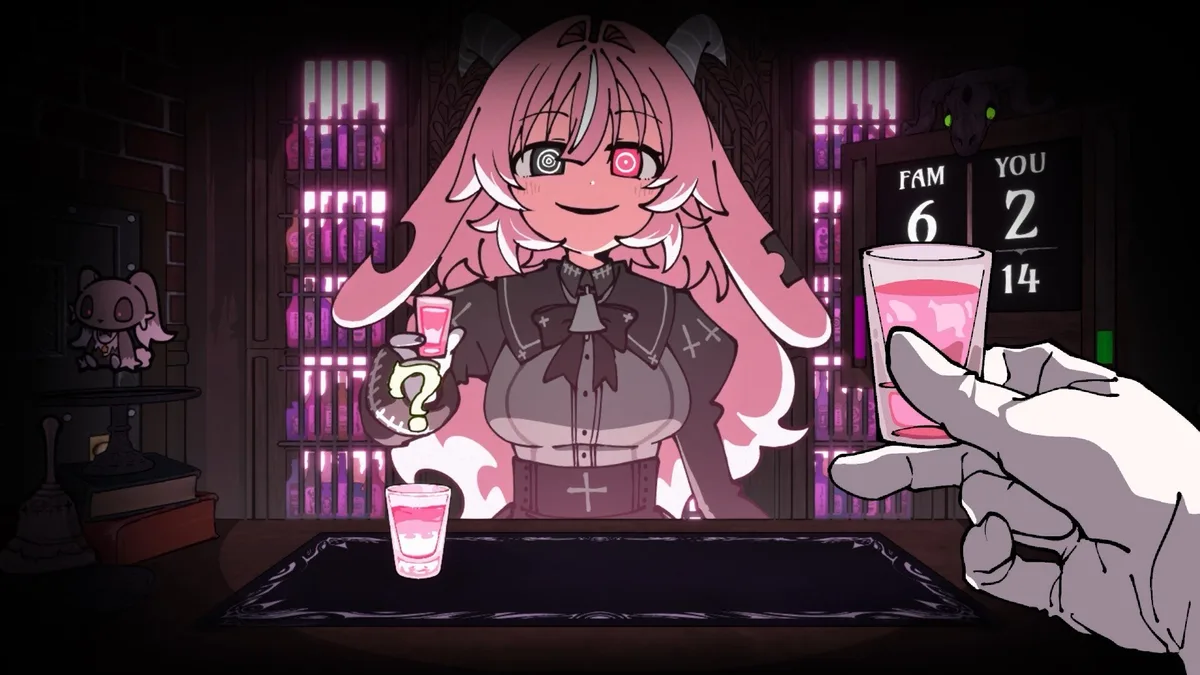
Despite sitting at 65th place on Steam's top wishlist chart with more than 25,000 followers, the team opted for a restricted closed playtest instead. In its official Steam announcement, Alliance Arts explained the decision directly:
"We are concerned that, based on the content of the demo, works imitating or replicating this game's presentation and gameplay could be quickly produced using AI or other tools and released ahead of the game's launch."
Alliance Arts, official Steam announcement (October 16, 2026)

Godot Engine Chief and Former Take-Two AI Head Warn of Storefront Fallout
For Emilio Coppola, executive director of the open-source Godot Engine (which powers hits including Slay the Spire 2, Buckshot Roulette, and Brotato), indie developers are growing increasingly anxious about sharing early builds. After Godot updated its GitHub rules in July 2026 to require all contributed code to be human-authored, Coppola argued that Valve bears direct responsibility for policing its catalog:
"The burden shouldn't fall on the developers to protect their games against bad actors. The burden should fall onto the platforms who are enabling this sort of behavior. A platform like Steam is profiting and allowing bad actors to sell low-quality clones of a project that a developer worked on, yet they never get the blame."
Emilio Coppola, Executive Director of Godot Engine
Meanwhile, Dr Luke Dicken, who served as head of artificial intelligence at Take-Two Interactive until April 2026 before founding Ludic AI, warned that the wave of AI decompilation could trigger consumer-hostile countermeasures. To stop tools from scraping local files, publishers may push harder toward invasive DRM, platform-level locks, and cloud streaming where users never touch local binaries.
For now, Valve is leaning on algorithmic discovery to keep genuine releases visible. Alongside recent quality-of-life updates that saw Steam separate DLC achievements from base games, the storefront has given prominent front-page placement to Your Personal Calendar, surfacing ten tailored recommendations based on wishlist habits and playtime even as users still lack a toggle to filter AI-generated games out of new release lists.
My Take: Why Valve's $100 Gate Fee No Longer Protects Indie Creators
Watching a promising indie studio cancel its public Steam Next Fest demo out of fear that an AI scraper will clone and ship a copycat before launch sums up the crisis facing PC gaming in 2026. When Valve introduced the $100 Steam Direct fee back in 2017, that price tag was enough to slow down opportunists who still had to spend weeks cobbling together an asset flip by hand.
With 66 games dropping every single day and coding models capable of decompiling a demo over a weekend, a $100 toll is nothing more than a rounding error. Until Valve gives players a hard filter to hide AI-generated releases and enforces stricter pre-launch verification, genuine indie developers will keep paying the price on a storefront hurtling toward 30,000 games a year.

SEO consultant for over 20 years and digital entrepreneur, Charles 'Grimtag' Ronchain is the founder of Pro-Gamer.gg, Retrocharting.com, and Gamescharting.com. A competitive gamer, streamer, and retro game collector, he has worked in the video game industry for over 15 years, notably as a consultant for leading game price comparison platforms. Passionate about real-time performance data and gaming technology, he analyzes competitive esports, gaming hardware benchmarks, and creator workflows on Pro-Gamer.gg with an authentic player perspective.